




Best hacks for keeping herbs fresh & vibrant for foodie recipes?

The Culinary Secret: Why Fresh Herbs Matter
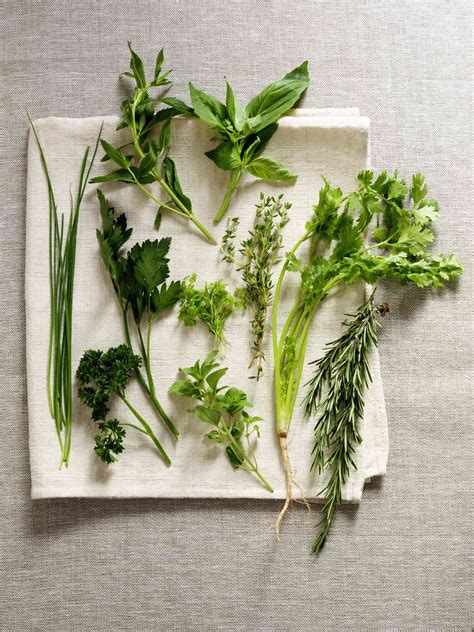
For any true foodie, the difference between a good dish and an extraordinary one often comes down to the quality of its ingredients – and fresh herbs are no exception. Their vibrant aromas, delicate textures, and potent flavors elevate everything from simple salads to complex main courses. But the fleeting freshness of herbs can be a challenge. How many times have you bought a beautiful bunch only to find it wilted and sad days later? Fear not, fellow food enthusiasts! This guide will equip you with the best hacks to keep your herbs fresh, vibrant, and ready to star in all your culinary creations.

Understanding Herb Types: Soft vs. Hard
The first step to effective herb preservation is understanding the two main categories: soft and hard herbs. Each requires a slightly different approach for optimal freshness.
Soft Herbs: The Delicate Darlings
Soft herbs like parsley, cilantro, basil, mint, and dill have tender stems and leaves. They are prone to wilting and browning quickly if not stored correctly.
Hack 1: The Water Vase Method (for Parsley, Cilantro, Mint, Dill)
- Trim the very ends of the stems, much like you would fresh flowers.
- Place the herbs stem-down in a glass or jar with about an inch of water.
- Cover loosely with a plastic bag (a produce bag works perfectly), creating a mini-greenhouse effect.
- Store on your counter (for basil, as it dislikes cold) or in the refrigerator (for parsley, cilantro, mint, dill). Change the water every 1-2 days.
Hack 2: Damp Paper Towel & Airtight Container (for Basil, Chives)
Basil is a bit finicky and doesn’t always love the cold, but sometimes the water vase method isn’t practical. For basil and chives, a damp paper towel can be a savior.
- Gently wash and thoroughly dry the herbs (this is crucial to prevent mold).
- Wrap them loosely in a slightly damp (not wet!) paper towel.
- Place the wrapped herbs inside an airtight container or a resealable plastic bag.
- Store basil on the counter if possible, or in a warmer part of the fridge if necessary. Chives go straight to the fridge.

Hard Herbs: The Sturdy Staples
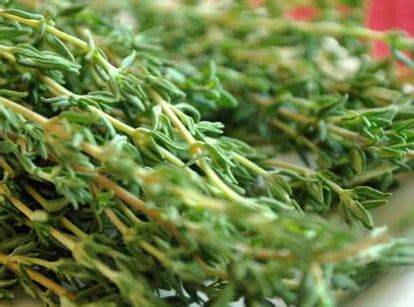
Hard herbs, including rosemary, thyme, oregano, and sage, have woody stems and tougher leaves. They are generally more robust and tolerate refrigeration better.
Hack 3: The Damp Paper Towel & Bag/Container (for Rosemary, Thyme, Oregano, Sage)
This method is highly effective for most hard herbs.
- Ensure the herbs are dry. If you wash them, pat them thoroughly dry with a paper towel or use a salad spinner.
- Wrap the sprigs loosely in a slightly damp paper towel.
- Place the wrapped herbs inside a resealable plastic bag or an airtight container.
- Store them in the crisper drawer of your refrigerator. They can last for weeks this way.
Long-Term Solutions: Freezing Herbs for Future Feasts
Sometimes, even with the best storage, you have an abundance of herbs or want to preserve them for longer. Freezing is an excellent option for many herbs, especially those destined for cooked dishes.
Hack 4: Herb Ice Cubes (for Parsley, Cilantro, Basil, Chives, Mint)
This is a foodie-favorite hack for convenience and flavor preservation.
- Finely chop your desired herbs.
- Fill the compartments of an ice cube tray about two-thirds full with the chopped herbs.
- Top with olive oil, melted butter, or even water (oil and butter work best for flavor retention).
- Freeze until solid.
- Transfer the herb cubes to a freezer-safe bag or container.
- When cooking, simply pop out a cube and add it directly to soups, stews, sauces, or sautéed vegetables.
Hack 5: Flash Freezing (for Rosemary, Thyme, Sage)
Whole sprigs of hard herbs can also be frozen directly.
- Wash and thoroughly dry the herb sprigs.
- Arrange them in a single layer on a baking sheet.
- Freeze until firm (about 1-2 hours).
- Transfer the frozen sprigs to a freezer-safe bag or container. This prevents them from clumping together.
Reviving Wilting Herbs & General Tips
Caught your herbs looking a little sad? Don’t toss them just yet! Sometimes, a quick refresh can bring them back to life.
The Ice Bath Revival
For slightly wilted soft herbs, trim the ends and plunge them into a bowl of ice water for 15-30 minutes. The cold water can rehydrate the cells and restore some crispness.
Essential General Tips:
- Don’t Wash Until Ready: Excess moisture is the enemy of fresh herbs, promoting mold and decay. Wash them just before use.
- Proper Airflow: While some methods require covering, avoid airtight seals that trap too much moisture unless specifically called for (like the damp paper towel method where the towel regulates moisture).
- Inspect Regularly: Remove any yellowing or molding leaves promptly to prevent spoilage from spreading.
Conclusion: Elevate Your Foodie Creations
With these simple yet effective hacks, you can bid farewell to wasted herbs and embrace a world of consistently fresh, vibrant flavors in your cooking. Keeping your herbs at their peak ensures that every dish you prepare is infused with the aromatic brilliance it deserves, truly setting your foodie recipes apart. Happy cooking!