



Recipe looks dull? Tips for vibrant color & texture in food photos.
Ever spent hours perfecting a delicious recipe, only to find your photo looks flat and unappetizing? It’s a common frustration for home cooks and food bloggers alike. The difference between a dull food photo and one that makes mouths water often comes down to two crucial elements: vibrant color and appealing texture. With a few simple tricks, you can elevate your food photography from merely documenting a meal to creating a feast for the eyes.
Mastering Color for Visual Appeal
Color is the first thing that grabs attention. Dull, muted colors can make even the most delicious dish look unappetizing. Here’s how to bring out the rainbow in your food photography:
Leverage Natural Light
This is arguably the most important tip. Ditch the harsh overhead kitchen lights! Natural, diffused light near a window is your best friend. It provides soft, even illumination that brings out the true colors of your food without creating harsh shadows or an artificial yellow cast. Experiment with different angles of light – side-lighting often works best to add dimension without being too direct.
Embrace the Color Wheel
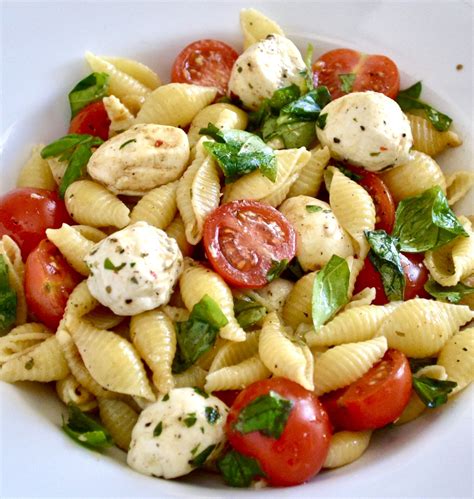
Think about color theory. Using complementary colors (like red tomatoes against green basil, or orange carrots with blue serving ware) can make your subject pop. Analogous colors (colors next to each other on the color wheel, like red, orange, and yellow) create a harmonious and soothing feel. Don’t be afraid to add a splash of unexpected color through a napkin, plate, or garnish to create visual interest.
Freshness is Key
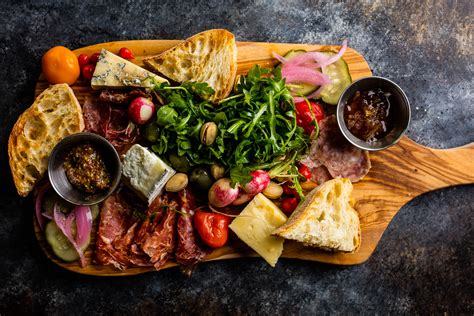
No amount of editing can truly fix wilted greens or overcooked, browning vegetables. Always use the freshest ingredients possible. Bright, crisp produce, vibrant herbs, and freshly prepared sauces will naturally translate into more appealing photos. A quick spritz of water can even make fresh produce look even more alive and dewy.
Garnishes and Accents
A sprinkle of fresh herbs (parsley, cilantro, mint), a zest of citrus, a dusting of paprika, or a swirl of crème fraîche can dramatically enhance a dish’s color. These small additions don’t just add flavor; they add bursts of color and visual interest that transform a plain plate into a work of art.
Highlighting Texture for Palpable Depth
Texture adds depth, story, and makes food look ‘real’ and inviting. It hints at the crunch, creaminess, or juiciness that awaits. Without texture, food photos can look flat and uninteresting.
Shallow Depth of Field
Using a shallow depth of field (a low f-stop number on your camera) allows you to focus sharply on specific textures while blurring the background. This technique isolates the most appealing parts of your dish – think glistening sauce, crispy skin, or tender flakes – drawing the viewer’s eye exactly where you want it and creating a sense of depth.
Strategic Plating
Layering ingredients, creating small piles, or arranging components in an interesting way can highlight different textures. Think about placing crunchy croutons on top of creamy soup, or flaky fish next to a smooth purée. Don’t flatten everything out; allow natural ridges and peaks to show. Even a slight drizzle of olive oil can enhance the surface texture of many foods.
Capture Moisture and Gloss
Juicy meat, glistening sauces, melted cheese, or the condensation on a cold drink instantly communicate freshness and deliciousness. These elements are key textures. Position your light to catch these highlights and make them sparkle. A quick brush of oil or water can often revive a dish that’s starting to look dry.
Varying Textures
A plate that features a variety of textures – crunchy, soft, crispy, smooth – is inherently more interesting. When styling, actively think about how you can incorporate these contrasts. For example, a salad isn’t just green; it might have the crunch of nuts, the crispness of lettuce, and the softness of avocado. Make sure these different textures are visible in your shot.

Transforming your food photos from dull to dynamic doesn’t require expensive gear. It primarily requires an understanding of how light, color, and texture play together. By focusing on natural light, fresh ingredients, thoughtful plating, and highlighting those irresistible textures, you’ll be well on your way to creating food photos that are as enticing as the dishes themselves. Practice, experiment, and most importantly, have fun bringing your culinary creations to life through the lens!