




Best hacks to keep fresh herbs vibrant longer for real foodie recipes?

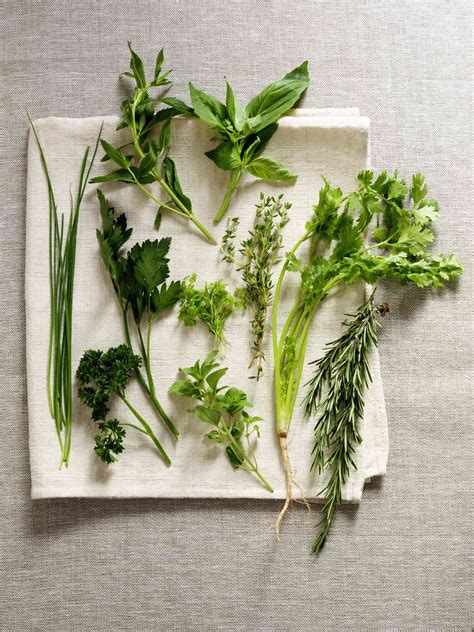
For any true foodie, fresh herbs are non-negotiable. They’re the secret weapon that elevates a dish from good to unforgettable, adding vibrant color, intoxicating aroma, and complex flavors. But the heartbreak of wilted parsley or slimy cilantro just days after purchase is a common kitchen lament. Don’t let your precious herbs meet an untimely end! With a few simple, smart hacks, you can extend their life and keep them bursting with freshness, ready to inspire your next culinary masterpiece.
The Challenge of Fresh Herb Longevity
Herbs are delicate, perishable ingredients, often wilting or spoiling rapidly due to moisture loss, bacterial growth, or improper storage conditions. Understanding their unique needs is the first step to preserving their vitality. Different herbs have different optimal storage methods, much like how various vegetables require distinct environments to stay fresh. Let’s dive into the most effective techniques that will save your herbs – and your wallet – from early demise.

Method 1: The “Bouquet” Method (Water & Cover)
This classic technique works wonders for many sturdy, leafy herbs like parsley, cilantro, mint, dill, and even asparagus-like chives. Treat them like a bouquet of flowers:
- Trim Stems: Snip about half an inch off the bottom of the stems.
- Water Bath: Place the trimmed stems into a glass or jar with about an inch of fresh water, ensuring no leaves are submerged.
- Cover & Refrigerate: Loosely cover the herbs and the top of the glass with a plastic bag (a produce bag works perfectly). This creates a mini-greenhouse, retaining moisture. Store in the refrigerator.
- Change Water: Change the water every 1-2 days to keep it fresh and prevent bacterial growth.
This method can keep herbs vibrant for up to 1-2 weeks.
Method 2: The Paper Towel Roll-Up (Fridge)
Ideal for woody-stemmed herbs like rosemary, thyme, oregano, and sage, this method focuses on controlled moisture and airflow:
- Wash & Dry Thoroughly: Gently wash your herbs and, most critically, dry them completely. Excess moisture is the enemy of fresh herbs, leading to rot. A salad spinner or patting with paper towels works best.
- Wrap Tightly: Lay the dry herbs on a slightly damp paper towel. Roll them up snugly.
- Seal & Refrigerate: Place the rolled bundle into a resealable plastic bag or an airtight container. Store in the refrigerator.
Check the paper towel every few days; if it’s too wet or dry, replace it. This technique can extend herb life for 2-3 weeks.
Special Care for Basil (and other sensitive herbs)
Basil is a notorious exception to the refrigerator rule. It’s highly susceptible to cold damage, which causes its leaves to blacken. For basil:
- Room Temperature Bouquet: Treat basil like a bouquet, but keep it on your countertop at room temperature, away from direct sunlight. Cover it loosely with a plastic bag if your home is dry.
- No Washing Until Use: Avoid washing basil until right before you’re ready to use it, as moisture can speed up spoilage.
If you have an abundance of basil, consider making pesto, which freezes beautifully!
Method 3: Freezing for Future Flavor (Oil or Water)
When you have a large harvest or want to preserve flavor for longer, freezing is an excellent option. While fresh herbs are best for garnishing, frozen herbs are perfect for cooking where their texture will be incorporated into the dish.
- Chop & Pack: Finely chop your herbs (e.g., parsley, cilantro, basil, chives, oregano).
- Ice Cube Trays: Pack the chopped herbs into ice cube trays.
- Add Liquid: Pour a neutral oil (like olive oil) or water over the herbs, just enough to cover them.
- Freeze: Freeze until solid, then pop the herb cubes out and store them in a freezer-safe bag or container for months.
These frozen herb bombs are fantastic for sautéing, soups, stews, and sauces.

General Tips for Maximizing Herb Life
- Choose Wisely: Start with the freshest herbs possible. Look for bright color, firm stems, and no signs of wilting or discoloration at the grocery store or farmer’s market.
- Handle Gently: Avoid crushing or bruising herbs as this can accelerate spoilage.
- Wash Only When Needed: For some herbs (like basil), it’s best to wash them right before use. For others (like cilantro or parsley that might have soil), wash and dry thoroughly before storing.
- Keep Away from Ethylene: Some fruits (like apples, bananas, and tomatoes) release ethylene gas, which can cause herbs to ripen and spoil faster. Store herbs away from these fruits.
- Dedicated Spot: Designate a specific spot in your fridge for herbs to keep them organized and prevent accidental damage.

Embrace Freshness: Your Culinary Game Changer
Having a steady supply of vibrant, fresh herbs at your fingertips is a game-changer for any home cook. These hacks are not just about reducing waste; they’re about enhancing your cooking, making every meal more aromatic, flavorful, and truly a foodie experience. Experiment with these methods to find what works best for your specific herbs and kitchen environment. With a little effort, you’ll banish sad, wilted herbs from your fridge forever and always be ready to infuse your dishes with peak freshness.