



What quick editing makes food Visual Bites stand out to real foodies?
The Appetizing Edge: Why Quick Edits Matter for Foodies
In a world saturated with culinary content, simply taking a photo of your food isn’t enough. To truly capture the attention of ‘real foodies’ – those discerning palates who appreciate not just taste but also presentation and authenticity – your ‘Visual Bites’ need an extra layer of finesse. This doesn’t mean extensive, time-consuming Photoshopping. Instead, a few quick, strategic editing choices can elevate a mediocre shot to a mouth-watering masterpiece, making your dish irresistible and shareable.
Foodies are drawn to images that evoke flavor, freshness, and a sense of genuine culinary artistry. They seek visual cues that confirm a dish is as delicious as it looks. The goal of quick editing, therefore, isn’t to create an artificial reality, but to enhance the inherent qualities of the food, making it pop without losing its natural charm. Let’s delve into the techniques that make all the difference.
Mastering Color and White Balance
The first and most crucial step in making food stand out is ensuring accurate and appealing colors. A quick adjustment to white balance can correct any unnatural color casts (e.g., yellow from indoor lighting or blue from shade), making whites look truly white and other colors vibrant and true-to-life. Foodies want to see the rich red of a ripe tomato or the golden brown crust of a baked good, not a dull, off-kilter version.
Subtle tweaks to saturation and vibrance can also bring life to ingredients. Increasing vibrance enhances muted colors without over-saturating already bold ones, preventing your food from looking artificial or garish. The aim is to make the colors sing, reflecting the freshness and appeal of the ingredients, not to turn them into neon signs.
Enhancing Natural Light and Texture
Natural light is a food photographer’s best friend, but sometimes it needs a little help. Adjusting exposure, highlights, and shadows can reveal details that might otherwise be lost. Brightening shadows can reduce harshness and show off textures, while recovering highlights can prevent blown-out areas, preserving the details of a creamy sauce or a glossy glaze. This brings a sense of depth and dimension to your Visual Bites, inviting the viewer to imagine the tactile experience of the food.
Precision Cropping and Composition
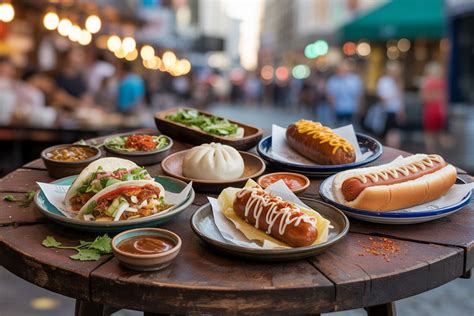
Beyond color and light, how you frame your food plays a significant role. Quick cropping can eliminate distracting elements from the background or foreground, bringing the focus squarely onto the star of the show – your dish. The rule of thirds often works wonders, placing key elements off-center for a more dynamic and engaging composition. For foodies, a well-composed shot isn’t just aesthetically pleasing; it directs their attention to the most appetizing parts of the meal.
The Art of Subtle Contrast and Clarity
Adding a touch of contrast and clarity can make food look sharper and more defined without over-processing. Contrast helps separate different elements of the dish, giving it more punch and visual interest. Clarity, when applied sparingly, enhances mid-tone details, making textures like flaky pastry or crisp lettuce more apparent. The trick is to apply these subtly, avoiding an overly dramatic or gritty look that can make food seem unappetizing.
Sharpness and Detail: Highlighting the Hero
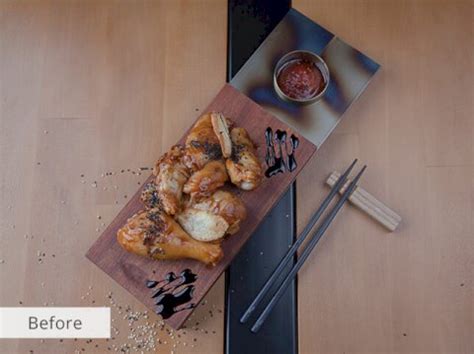
A quick sharpening pass can make a significant difference, especially if your initial photo is slightly soft. This enhances the edges and fine details, making ingredients appear crisper and more defined. For foodies, seeing the glistening pearls of caviar or the individual grains of rice can significantly heighten their desire for the dish. Again, moderation is key; over-sharpening can introduce artifacts and make food look unnatural.
Removing Distractions for a Clean Plate
Sometimes, a stray crumb, an errant splash, or a slight imperfection on the plate can detract from an otherwise perfect shot. Quick spot healing or cloning tools can effortlessly remove these minor distractions, ensuring your Visual Bite is clean, polished, and professional. A clean presentation reassures foodies that attention to detail extends beyond the cooking itself.
Beyond the Filters: Authenticity Reigns Supreme
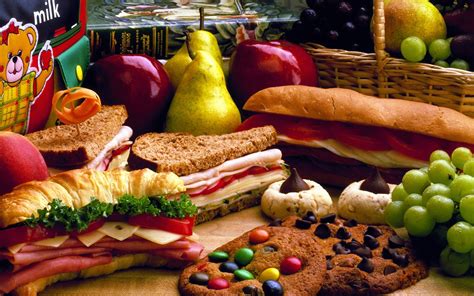
While these quick editing techniques are powerful, their ultimate purpose is to serve authenticity. Real foodies appreciate genuine representation. The goal is to enhance, not to deceive. Over-editing, excessive filtering, or unrealistic color manipulation can be a turn-off, signaling that the food might not be as good in real life. By focusing on natural enhancements that highlight freshness, texture, and true color, your Visual Bites will not only stand out but also build trust and credibility with your audience.

Conclusion: Crafting Irresistible Visual Bites
In the bustling landscape of culinary content, quick and smart editing is the secret ingredient that transforms a simple food photo into a compelling Visual Bite. By focusing on accurate color, enhanced natural light, precise composition, subtle contrast, and sharp details, you can create images that truly speak to the discerning palate of real foodies. These aren’t just aesthetic improvements; they are sensory triggers that convey freshness, flavor, and an invitation to indulge. Master these techniques, and your food photography will not just be seen, but desired.