



What plating techniques instantly elevate recipes for visual feeds?
Beyond Taste: The Art of Visual Food Presentation
In the age of social media, a dish isn’t truly complete until it’s “Instagram-ready.” While taste remains paramount, the visual appeal of your culinary creations has become equally crucial, especially for sharing recipes and inspiring others online. Elevating a recipe from delicious to dazzling often comes down to mastering a few fundamental plating techniques. These methods are not just for professional chefs; with a little practice, anyone can transform their home-cooked meals into works of art.
The Golden Trio: Color, Texture, and Height
Think of your plate as a canvas. The most visually arresting dishes are those that play with a variety of colors, textures, and dimensions. Incorporate contrasting colors—a vibrant red tomato against green herbs, or a creamy white sauce on a dark plate—to make elements pop. Varying textures, such as the crispness of a fried element with the smoothness of a purée, adds interest and depth. Don’t let everything lie flat; introduce height with stacked components, leaning garnishes, or artfully mounded ingredients to create a dynamic visual.

Strategic Arrangement and Composition
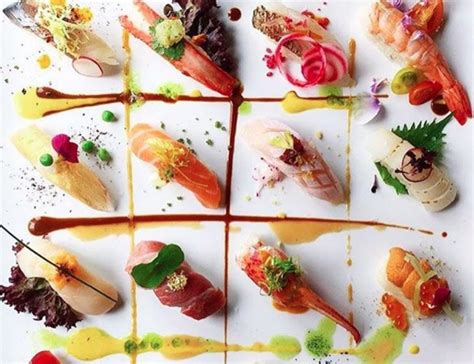
How you arrange components on the plate dramatically impacts its overall aesthetic. The “rule of thirds,” borrowed from photography, can be applied here: imagine dividing your plate into a 3×3 grid and placing key elements along the lines or at their intersections. Create a focal point, a star ingredient or a unique garnish, around which other elements are arranged. Embrace negative space; don’t overcrowd the plate. Allowing some white space around your food can make the dish appear more elegant and refined. Experiment with both symmetrical and asymmetrical layouts to find what best suits your dish’s character.
Consider the ‘clock’ method where proteins are placed between 3 and 9 o’clock, vegetables between 9 and 12, and starch between 12 and 3. This classic approach ensures balance and ease of eating.
The Power of Garnish and Sauce
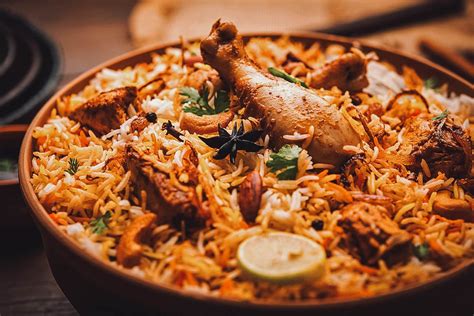
Garnishes are not merely decorative; they should complement the dish’s flavors and add visual flair. Fresh herbs (chiffonade basil, sprigs of rosemary), edible flowers, toasted nuts, or a sprinkle of paprika can add a professional touch. Sauces, often overlooked, are powerful plating tools. Instead of a simple drizzle, try a deliberate smear across the plate with the back of a spoon, or use a squeeze bottle to create elegant dots, lines, or swirls. Always ensure your garnishes are clean, fresh, and intentionally placed.
Tools and Techniques for Precision
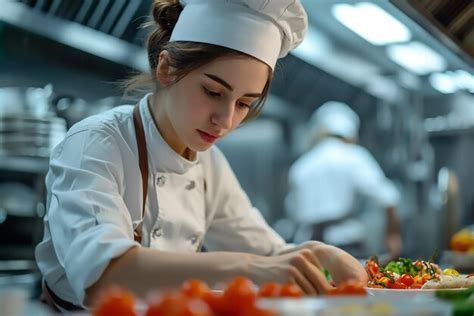
You don’t need a professional kitchen, but a few simple tools can significantly improve your plating. Squeeze bottles are excellent for precise sauce application. An offset spatula helps lift and place delicate items. Ring molds can create perfectly shaped portions of grains, purées, or tartares. Always keep a clean towel handy to wipe away any drips or smudges from the rim of the plate before serving. Portion control is also key; a plate overloaded with food rarely looks appealing, no matter how delicious it tastes.
Beyond the Plate: Setting the Scene
While the food itself is the star, the surrounding environment contributes to the overall visual story, especially for online feeds. Choose simple, uncluttered backdrops. Natural light is your best friend for food photography—avoid harsh overhead lights. Experiment with different angles; shooting from directly overhead can highlight patterns and arrangements, while a lower angle can emphasize height and layers. Thoughtful use of props like rustic cutting boards, elegant cutlery, or textured napkins can enhance the narrative without distracting from the food.
Conclusion: Plate with Purpose
Elevating your recipes for visual feeds is an accessible art form that combines creativity with a few learned techniques. By paying attention to color, texture, height, arrangement, and the strategic use of garnishes and sauces, you can transform everyday meals into captivating culinary displays. Don’t be afraid to experiment, practice, and find your own plating style. A beautiful plate not only makes the food more appealing but also enhances the entire dining experience, both in person and virtually.