




What visual cues help real foodies find truly authentic local eats on adventures?

Decoding Authenticity: The Visual Language of Local Eateries
For the intrepid food adventurer, the quest for truly authentic local eats is a thrilling pursuit. It’s about more than just finding a restaurant; it’s about uncovering a community’s culinary soul. While online reviews and guidebooks offer a starting point, the most rewarding discoveries often come from observing the world around you. Real foodies develop a keen eye for visual cues that whisper, or sometimes shout, “authentic local gem!” Long before you taste a dish, your eyes can tell you a story about its origins and legitimacy.
The Crowd Tells All: Who’s Eating Where?
Perhaps the most potent visual cue is the clientele itself. Are the tables packed with families, elders, and workers who seem to be regulars? Or is it predominantly tourists clutching guidebooks and speaking a different language than the locals? A restaurant bustling with locals, especially during off-peak tourist hours, is often a strong indicator of authentic, beloved food. Observe their interactions, their comfort, and their ease – these are signs of a place deeply embedded in the community’s daily life.
Don’t be swayed by empty tables in popular tourist areas; sometimes the busiest spots are catering to a different palate altogether. Conversely, a small, unassuming eatery with a queue of local patrons spilling onto the sidewalk is almost always a promising sign. It suggests a loyal following built on consistent quality and taste, not just marketing.
Unassuming Exteriors and Interiors: Beauty in Simplicity
Authentic local eateries often lack the flashy signage, polished decor, and multilingual menus designed to attract international visitors. Instead, look for establishments with humble, worn exteriors that show years of service. Peeling paint, faded awnings, or even a slightly cluttered storefront can be positive indicators, suggesting that the focus is entirely on the food and not on superficial aesthetics.
Inside, the decor might be simple, functional, or even a little mismatched. Forget sleek designs or thematic displays. Instead, seek out well-used tables, local art, family photos, or utilitarian furnishings. These visual elements suggest a place that prioritizes substance over style, where the culinary traditions are passed down through generations rather than engineered for Instagram feeds.

Menu and Language Clues: A Window into Local Flavors
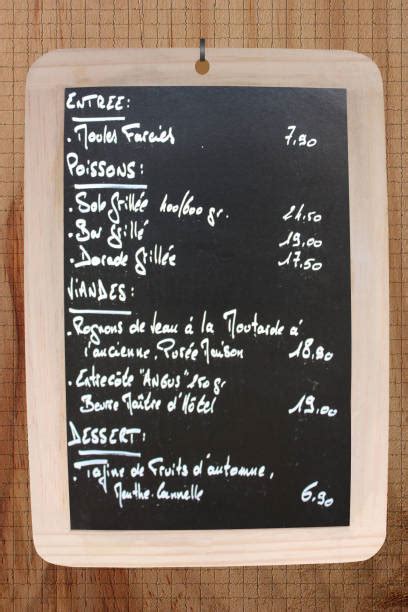
The menu itself offers a wealth of visual information. Is it handwritten, perhaps only in the local language, or with minimal English translations? This can be a strong sign that the establishment caters primarily to a local audience, offering traditional dishes that might not be familiar to international palates. Look for daily specials scribbled on a chalkboard, indicating freshness and seasonal ingredients.
Furthermore, observe the dish descriptions. Do they use specific local dialect terms or highlight regional ingredients that you might not find elsewhere? A short, focused menu, rather than an expansive one attempting to cater to all tastes, often signifies a kitchen specializing in a few dishes done exceptionally well. It suggests confidence in their culinary heritage.
Visible Preparation and Ingredients: The Theater of Food
For some of the most authentic experiences, especially in street food stalls or smaller eateries, the food preparation is often a visual spectacle. Can you see fresh ingredients being chopped, dough being kneaded, or meat being grilled right before your eyes? This transparency is a powerful visual cue for freshness, quality, and traditional cooking methods.
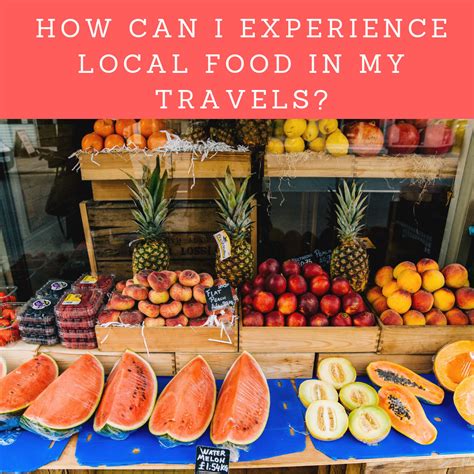
Pay attention to the raw ingredients on display. Are they vibrant, fresh, and locally sourced? Seeing baskets of seasonal produce, freshly caught seafood, or local spices can give you confidence in the authenticity and quality of the meal you’re about to enjoy. It’s a direct connection to the local agricultural and culinary landscape.
Beyond the Obvious: Subtle Nods to Authenticity
Sometimes, the clues are even more subtle. Look for local newspapers or magazines left on tables, indicating that patrons feel comfortable lingering and are part of the local fabric. Observe the kitchen staff – are they engaged, working efficiently, and perhaps even interacting casually with regulars? These small details paint a picture of a well-loved establishment.

Even the absence of certain things can be a cue: no glossy photos of generic dishes, no aggressive touts trying to pull you in from the street, and no “tourist special” signs. These omissions often signify a business confident in its product, relying on word-of-mouth and genuine quality to attract its clientele.
Conclusion: Trusting Your Eyes and Your Gut
Unlocking the secrets of authentic local eats on your adventures is an art form, perfected by observation and a willingness to step off the well-trodden path. By honing your ability to read these visual cues – from the crowd dynamics to the menu’s language and the very atmosphere of a place – you empower yourself to discover truly memorable culinary experiences. So next time you’re exploring a new destination, put down the guidebook for a moment, look around, and let your eyes lead you to your next authentic local delight.