



How to capture authentic, drool-worthy Visual Bites that compel real foodies to engage?

In the digital age, a picture is worth more than a thousand words – it’s worth a thousand cravings. For real foodies, merely seeing a dish isn’t enough; they want to feel its texture, smell its aroma, and imagine its taste. This is the power of ‘Visual Bites’ that truly compel engagement. It’s not just about taking a photo; it’s about telling a delicious story that resonates deeply with an audience passionate about food. So, how do you move beyond mere snapshots to create imagery that genuinely makes mouths water and fingers double-tap?
Mastering Natural Light: The Golden Rule
The single most powerful tool in a food photographer’s arsenal is natural light. Soft, diffused natural light can transform an ordinary dish into a work of art, highlighting textures, colors, and inviting shadows. Avoid harsh overhead lighting or direct sunlight, which can create unflattering glares and deep, unappealing shadows.
Position your food near a window, ideally with a sheer curtain or diffuser to soften the light even further. Experiment with side lighting or backlighting to add dimension and create that coveted ‘halo’ effect, making your dish glow. The goal is to make the food look as appetizing and real as possible, and natural light is key to achieving this authentic glow.
Composition & Storytelling: Beyond Just Food
A truly drool-worthy Visual Bite isn’t just a picture of food; it’s a carefully composed scene that tells a story. Think about the ‘why’ behind the dish – is it a comforting home-cooked meal, a vibrant summer salad, or a decadent dessert? Use the principles of composition like the rule of thirds, leading lines, and negative space to guide the viewer’s eye.
Incorporate props that add context without distracting: a linen napkin, a rustic cutting board, fresh herbs, or even a pair of hands in action. These elements add depth, humanity, and a sense of occasion. Don’t be afraid to show ingredients in their raw form or a subtle glimpse of the cooking process to hint at the journey from farm to fork. Every element should contribute to the narrative you’re weaving.
Embrace Authenticity: Imperfection is Relatable
In an era of overly polished and sometimes artificial-looking content, authenticity is gold. Real foodies appreciate genuine, relatable images. While styling is important, avoid making your food look too perfect or untouched. A slight drip, a perfectly placed crumb, or the steam rising from a hot dish can convey freshness and evoke a sense of ‘just prepared’ warmth that resonates deeply.
Capture the food in its most appealing, natural state. If it’s a burger, don’t be afraid to let a little sauce peek out. If it’s a cake, show a slice missing. These small imperfections make the food seem more accessible, more delicious, and ultimately, more real to your audience. It’s about showcasing the delicious truth, not an unattainable ideal.
Angles and Depth: Finding Your Best Perspective
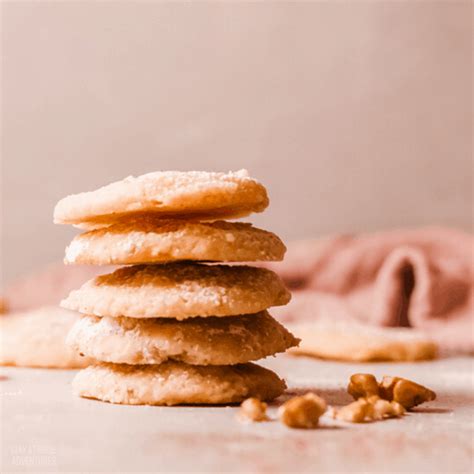
Choosing the right angle can dramatically change how appealing a dish appears. Experiment with various perspectives: an overhead shot (flat lay) works wonderfully for vibrant salads, pizzas, or a table spread; a 45-degree angle mimics how we typically view food at a table, ideal for showcasing layers and height; and an eye-level shot can be incredibly intimate for beverages or stacked desserts. Each angle offers a different story and highlights unique aspects of the food.
Furthermore, mastering depth of field is crucial. A shallow depth of field, where your main subject is sharp and the background is softly blurred (bokeh), helps isolate the food and create a dreamy, professional look. This draws the viewer’s eye directly to the star of your visual bite, making it stand out even more.

Post-Processing with a Light Hand
While natural light is your foundation, judicious post-processing can elevate your Visual Bites. Use editing software to make subtle adjustments to exposure, contrast, highlights, shadows, and white balance. The key is enhancement, not alteration. Aim to make the food look exactly as delicious as it did in real life, not artificially saturated or overly brightened.
Maintain natural colors and textures. Over-editing can make food look plasticky or unappetizing. A gentle touch can sharpen details, brighten dull spots, and correct any color casts, ensuring your final image is vibrant, clean, and utterly irresistible while remaining true to the dish’s original appeal.
Engaging Your Audience: Beyond the Photo
A truly compelling Visual Bite doesn’t end with the perfect photograph; it extends to how you interact with your audience. Pair your stunning visuals with engaging captions that tell a story, share a recipe snippet, or ask a question that sparks conversation. Encourage comments and actively respond, fostering a sense of community around your shared love for food.
Behind-the-scenes glimpses, short videos, or even asking for feedback on your creations can significantly boost engagement. Remember, foodies are passionate. They want to connect with creators who share their enthusiasm and can transport them into a world of culinary delight. Your Visual Bites are the invitation to that world.
Capturing authentic, drool-worthy Visual Bites is an art form that blends technical skill with genuine passion. By mastering natural light, thoughtful composition, embracing authenticity, choosing the right angles, and refining with a light hand, you can create food imagery that not only looks incredible but also deeply connects with real foodies. Go forth, create, and make every visual bite count!