




What recipe tweaks elevate simple dishes to gourmet visual feasts?

The Art of Visual Culinary Transformation
In the culinary world, taste is paramount, but the eyes eat first. Elevating a simple dish from homely fare to a gourmet visual feast requires a keen eye for detail and a few strategic tweaks. It’s about more than just expensive ingredients; it’s about thoughtful presentation, vibrant colors, and compelling textures that tell a story before the first bite.
Mastering the Plate: Composition and Structure
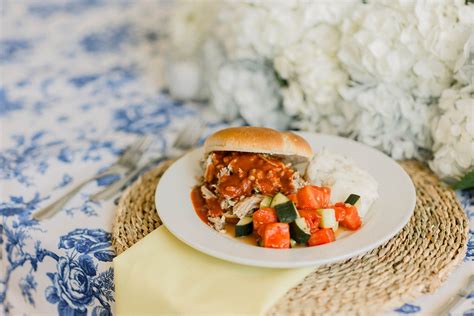
The plate is your canvas. Think about composition. Instead of piling ingredients in the center, utilize negative space to highlight key components. The “rule of odds” suggests plating an odd number of items (e.g., three asparagus spears instead of two) for a more appealing balance. Building height can also add a professional touch; think stacked ingredients or a delicate garnish reaching upwards. Consider the shape and color of your plate as well—a crisp white plate often makes colors pop.
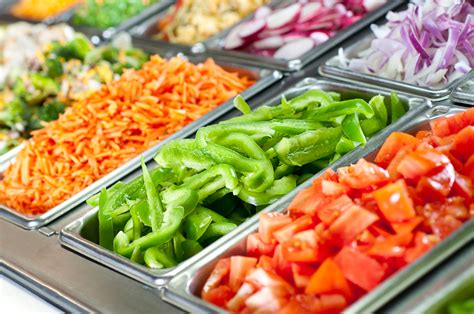
Achieving structural elegance involves careful arrangement. Consider slicing ingredients thinly or uniformly to create clean lines and patterns. Sauces can be artistic elements, swirled, dotted, or spread with precision rather than just poured over the top. The goal is to guide the diner’s eye across the plate, inviting exploration.
Playing with Color, Contrast, and Texture
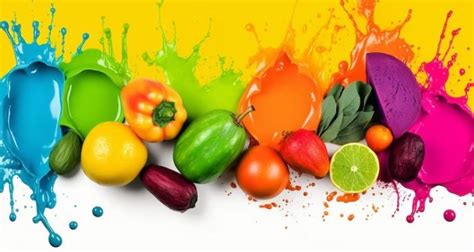
One of the most immediate ways to elevate a dish visually is through color. Incorporate a variety of hues using fresh herbs, vibrant vegetables, colorful sauces, or even edible flowers. A monochromatic dish can be made dynamic by introducing a contrasting element—think a bright red cherry tomato against a green pesto pasta, or a sprinkle of dark sesame seeds on a light-colored fish.
Texture adds another layer of sophistication. A gourmet dish often features a delightful interplay of textures: the crispiness of a crouton, the creaminess of a sauce, the tenderness of a protein, and the crunch of toasted nuts. Think about how you can introduce variety—a sprinkle of toasted breadcrumbs, a dollop of airy foam, or a piece of perfectly seared meat with a crisp exterior.
The Power of Precision Garnishes
Garnishes are not mere afterthoughts; they are the jewelry of your dish. A well-chosen garnish can provide a final splash of color, an aromatic hint, or a crucial textural counterpoint. Fresh herbs like parsley, cilantro, or chives, finely chopped or as delicate sprigs, are classic choices. Microgreens offer a delicate crunch and a burst of concentrated flavor. Citrus zest can add a vibrant color and aroma, while a drizzle of high-quality olive oil or a balsamic glaze can provide a glossy finish.
Edible flowers, though often overlooked, can transform a dish into a work of art, adding unexpected beauty and a subtle floral note. Just ensure they are food-grade and pesticide-free. Even a simple crack of fresh black pepper or a few flakes of sea salt can enhance both visual appeal and taste.
Sauces, Drizzles, and Negative Space
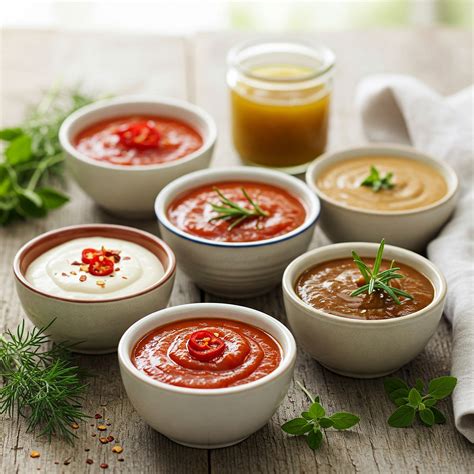
Sauces are not just for flavor; they are crucial for presentation. Instead of pooling a sauce, consider artistic applications. Use a squeeze bottle to create elegant lines or dots. A spoon can be used to create a “swoosh” or a careful spread across the plate, defining a boundary for other components. The strategic use of negative space around your beautifully arranged components allows them to breathe and stand out, preventing the plate from looking cluttered.
Remember that every component on the plate should serve a purpose, both in flavor and aesthetics. Avoid overcrowding. Sometimes, less is more, allowing individual elements to shine.
From Kitchen to Canvas: Final Touches
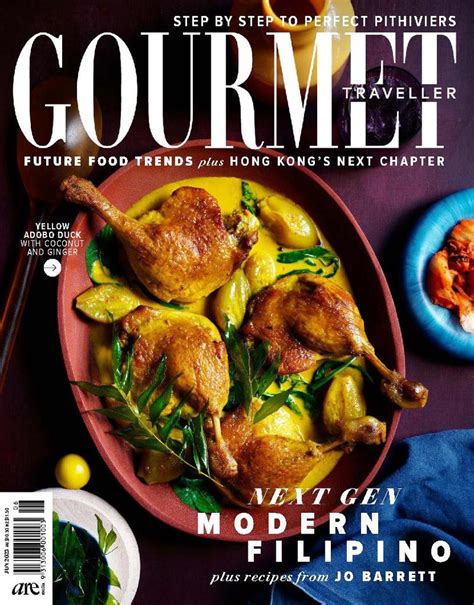
Transforming simple dishes into gourmet visual feasts is an accessible skill that requires practice and observation. Pay attention to how professional chefs plate their dishes, draw inspiration from food magazines, and experiment in your own kitchen. Consider the lighting when serving, as good lighting can dramatically enhance the visual appeal of your creation. A warm, inviting presentation makes the food look even more appetizing.
With these tweaks—mindful plating, strategic use of color and texture, and precise garnishing—you can elevate everyday meals into memorable culinary experiences that delight both the palate and the eyes. Embrace the joy of turning your kitchen into an artist’s studio.