





How do real foodies visually identify authentic local eateries?

For the discerning palate, travel is as much about culinary exploration as it is about sightseeing. But how does one cut through the noise of tourist traps and brightly lit chains to unearth those hidden gems – the authentic local eateries cherished by residents?
The Subtle Art of Observation
True food enthusiasts develop an almost sixth sense for spotting genuine local establishments. It’s less about a secret handshake and more about meticulously decoding visual cues that speak volumes about a restaurant’s soul and authenticity. These visual identifiers are often subtle, sometimes counter-intuitive, and rarely found in guidebooks.

Exterior Clues: Beyond the Façade
The first impression often comes from the exterior. Authentic local spots rarely boast flashy, multi-language signs designed to lure in every passing traveler. Instead, look for understated signage, often in the local language, perhaps a little weathered or hand-painted. A sure sign of authenticity is a modest appearance; lavish decor or overly modern facades might indicate a place catering more to trends than tradition.
Observe the clientele. Is the place teeming with locals enjoying conversations in their native tongue? A restaurant packed with residents during off-peak tourist hours is a strong indicator of its legitimacy. Parking lots filled with local license plates, or bicycles piled outside, also provide telling clues. The absence of menus prominently displayed in multiple languages (especially English) can paradoxically be a good sign, suggesting they cater primarily to a local audience who already know what they want.

Menu & Food Presentation: A Glimpse into the Kitchen
Once inside, the menu itself offers a wealth of information. Authentic eateries often feature concise menus, focusing on a few dishes executed exceptionally well rather than an encyclopedic offering trying to please everyone. Look for daily specials, perhaps handwritten on a chalkboard, indicating fresh, seasonal ingredients and a kitchen that adapts to availability. The language on the menu will predominantly be local, with perhaps minimal, functional translations.
The food presentation, too, speaks volumes. While some high-end authentic establishments can be visually stunning, many local favorites prioritize flavor and generous portions over elaborate, overly stylized plating. The focus is on the inherent quality of the ingredients and traditional preparation methods. Dishes might appear rustic, hearty, and undeniably comforting – a testament to generations of culinary heritage.

The Vibe: Atmosphere and Staff Interactions
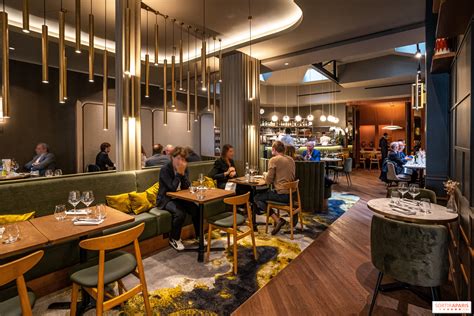
The atmosphere of an authentic local eatery is often bustling, noisy, and full of life. It’s a place where conversations flow freely, and laughter echoes. Pay attention to the staff: do they interact casually and warmly with patrons, seemingly knowing many by name? This familiarity suggests a loyal local following, a hallmark of a truly embedded community spot.
Consider the pace. Service might be efficient but less hurried than in tourist-focused establishments. There’s an unpretentious confidence in the air – they know their food is good, and they don’t feel the need to aggressively market it. The aromas wafting from the kitchen should be inviting and distinctly local, promising a genuine taste experience.
Trust Your Gut (and Your Eyes)
Ultimately, identifying authentic local eateries is a skill honed through experience and keen observation. It’s about looking beyond the polished exterior and into the heart of the community. These visual cues – the local clientele, the unpretentious signage, the focused menu, and the vibrant, genuine atmosphere – collectively paint a picture of a place that truly belongs to its surroundings. So, next time you’re on a culinary adventure, slow down, observe, and let your eyes guide you to a truly memorable, authentic meal.