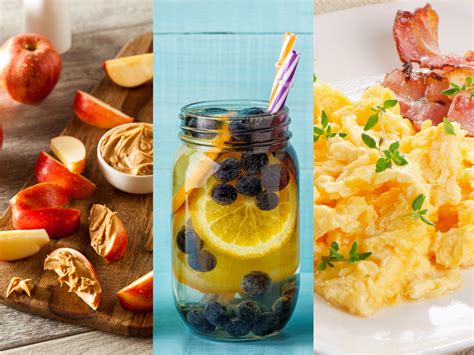




Daily real food: how do foodies make healthy dishes visually pop?
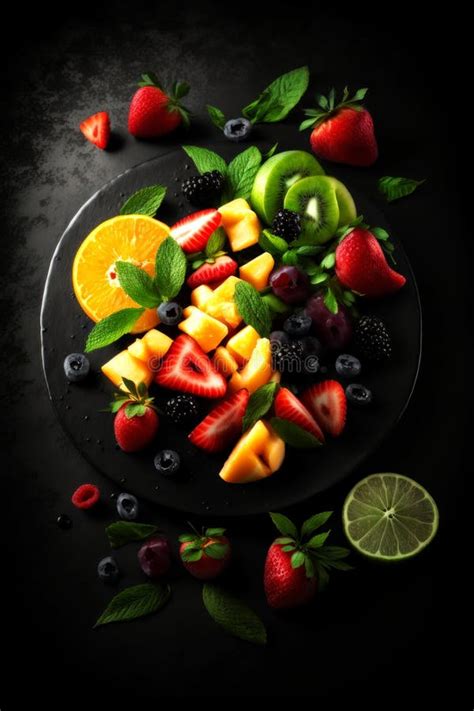
The Art of Edible Aesthetics: Making Healthy Food Irresistible
In a world increasingly focused on wellness, healthy eating has moved beyond mere sustenance to become a lifestyle choice. But for many, the idea of “healthy food” still conjures images of bland, uninspiring plates. Enter the foodies – a community dedicated to proving that nutritious meals can be as visually captivating as they are good for you. They understand that we eat with our eyes first, and a dish that looks amazing is far more likely to be enjoyed and shared.
Transforming everyday healthy ingredients into a feast for the eyes is an art, involving a keen understanding of color, texture, composition, and presentation. It’s about elevating the humble vegetable or grain to star status, ensuring that every bite promises not just nourishment, but delight.
Embracing Color and Contrast
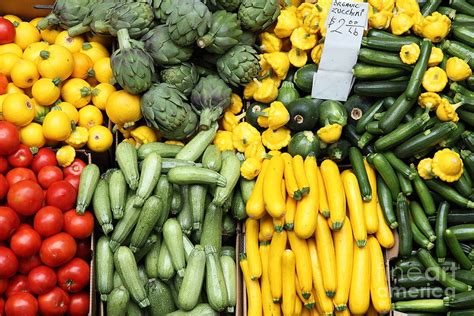
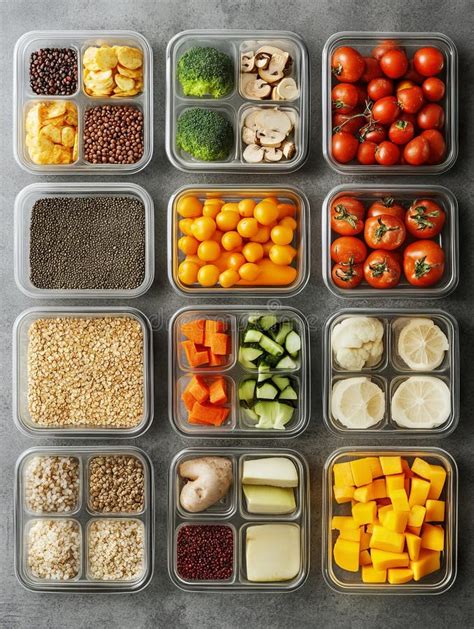
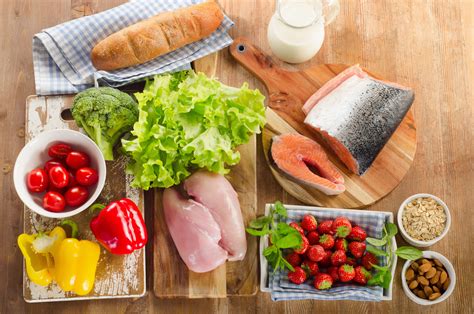
One of the most immediate ways to make a healthy dish visually pop is through color. Nature provides an incredible palette of vibrant hues, and foodies expertly leverage this. Think about the deep reds of berries, the sunny yellows of bell peppers, the earthy greens of spinach, or the striking purples of cabbage. By combining ingredients with contrasting colors, you create dynamic and exciting plates.
For example, a simple bowl of quinoa can be transformed with a sprinkle of chopped fresh cilantro, diced red bell pepper, and a wedge of bright green avocado. The goal is to make the plate look lively and fresh, reflecting the vitality of the ingredients themselves.
Texture Play: Adding Dimension and Interest
Beyond color, texture is crucial for adding visual and sensory depth. A monochromatic dish might be healthy, but if it’s all the same soft texture, it lacks appeal. Foodies understand the importance of incorporating a variety of textures into their meals.
Imagine a creamy hummus topped with crunchy toasted sesame seeds and a drizzle of olive oil, or a leafy green salad punctuated with crisp roasted chickpeas and chewy sun-dried tomatoes. These textural contrasts not only make the food more engaging to eat but also add visual interest, creating layers and varying surfaces that catch the light and draw the eye.
The Power of Thoughtful Plating
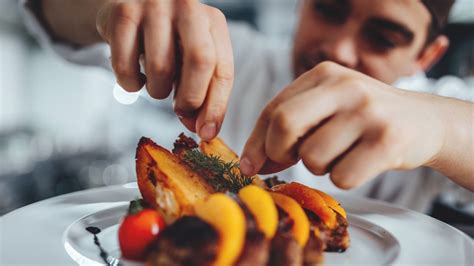
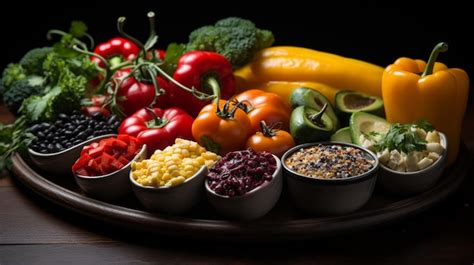
Plating is where the magic truly happens. It’s about arranging ingredients on the plate in an aesthetically pleasing way. Foodies often adhere to a few guiding principles:
- Rule of Thirds: Similar to photography, placing key elements off-center can create a more dynamic composition.
- Height and Layers: Building dishes upwards adds elegance. Think about stacking ingredients or creating a small mound of grains topped with a protein.
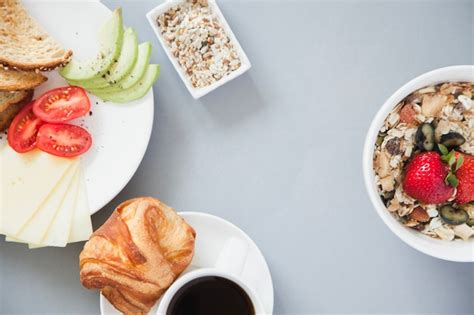
- Clean Plate: Using white or neutral-colored plates allows the food’s colors to truly stand out. Avoid overcrowding the plate; less is often more.
- Asymmetry: Perfectly symmetrical plates can sometimes feel stiff. A slightly off-kilter arrangement can be more engaging and artistic.
Garnishes: The Final Flourish
A simple garnish can elevate a dish from good to gourmet. This is where foodies add that final touch of finesse. Fresh herbs like parsley, cilantro, or mint not only add a burst of color but also a fresh aroma. A sprinkle of microgreens, edible flowers, citrus zest, or even a dusting of smoked paprika can transform the appearance of a dish.
Think of garnishes as the jewelry for your meal – they complete the look without overwhelming it. A swirl of healthy sauce or a drizzle of a contrasting oil (like a bright green pumpkin seed oil on a soup) can also serve as an artistic garnish.
Lighting and Photography Basics for the Home Cook
While professional food photographers have elaborate setups, home cooks can still make their healthy dishes shine in photos by paying attention to a few basics. Natural light is your best friend – place your dish near a window, avoiding direct harsh sunlight. Overhead shots or slightly angled compositions work well for many dishes.
A clean, simple background ensures the focus remains on your beautifully prepared meal. Even if you’re not sharing on social media, taking a moment to appreciate the visual appeal of your food before digging in can enhance your dining experience.
Making Your Healthy Meals Pop at Home
You don’t need to be a professional chef or a social media influencer to apply these principles. Start small by focusing on one aspect at a time. Introduce more colorful vegetables to your plate, experiment with different textures (nuts, seeds, fresh fruits), or try a simple fresh herb garnish. Use bowls for layering, build a little height, and remember that fresh, high-quality ingredients are inherently beautiful.
By consciously thinking about how your healthy food looks, you’ll not only make it more appealing to yourself and your family but also deepen your appreciation for the nourishing power and inherent beauty of real food. Eating well should be an enjoyable, multi-sensory experience, and making your dishes visually pop is a delicious way to achieve just that.