



Plating secrets for visually stunning, vibrant homemade dishes?
Transforming the Everyday into Extraordinary
Many home cooks focus solely on flavor, but the visual appeal of a dish is just as crucial. Presentation isn’t just for fancy restaurants; it’s a powerful tool that enhances enjoyment, whets the appetite, and makes even simple meals feel special. Learning a few fundamental plating secrets can elevate your homemade dishes from merely tasty to truly unforgettable.

The Canvas: Choosing Your Dishware Wisely
Before you even begin plating, consider your canvas. The right dishware can significantly impact how your food looks. White or neutral-colored plates are often preferred as they allow the food’s colors to pop. Consider the shape and size: shallow, wide plates offer more surface area for artful arrangement than deep bowls, though bowls are perfect for soups and stews where layers can be built. Don’t be afraid to experiment with different textures and materials, like rustic wooden boards or slate, for specific dishes.
Color and Contrast: A Feast for the Eyes
Think of your plate as a painter’s palette. Vibrant colors are naturally appealing and indicate freshness and nutrition. Aim for a variety of colors in your dish. If your main component is monochromatic (like mashed potatoes or chicken breast), introduce contrasting colors through garnishes like fresh herbs, brightly colored vegetables (think roasted carrots, bell peppers, or beets), or a colorful sauce.
Key Color Combinations:
- Green: Fresh herbs, avocado, spinach, broccoli
- Red/Orange: Tomatoes, bell peppers, carrots, paprika
- Yellow: Lemon zest, corn, saffron rice
![[1800+] Colorful Pictures | Wallpapers.com](/images/aHR0cHM6Ly90czEubW0uYmluZy5uZXQvdGg/aWQ9T0lQLkdqYzdkcmV5aGQ4NVBWdzJPZDR1RlFIYUZqJnBpZD0xNS4x.webp)
Texture and Dimension: Engaging All Senses
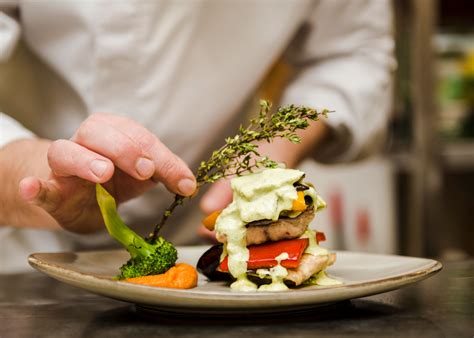
A dish with varying textures is more interesting to eat. Combine creamy elements with crispy ones, soft with crunchy. For instance, serve a tender piece of fish with a sprinkle of toasted nuts or a crisp vegetable slaw. Adding height to your dish creates dimension and makes it more dynamic. Think about stacking ingredients, leaning elements against each other, or mounding components strategically.
For example, instead of just spreading rice flat, mound it slightly. Arrange vegetables to stand up, or lean a grilled asparagus spear against a protein. These small tricks prevent your plate from looking flat and uninspired.
The Art of Arrangement: Placement and Negative Space
Where you place items on the plate matters. The ‘rule of thirds’ can be a helpful guide: imagine your plate divided into nine sections, and place your main components at the intersections. Often, the main protein takes center stage, with sides acting as supporting actors.
Don’t overcrowd the plate. Negative space (the empty areas on the plate) is just as important as the food itself. It allows each component to breathe, highlights the artistry, and prevents a messy, overwhelming appearance. A little space gives the eye a place to rest and appreciate the composition.
Garnishes: The Finishing Touch
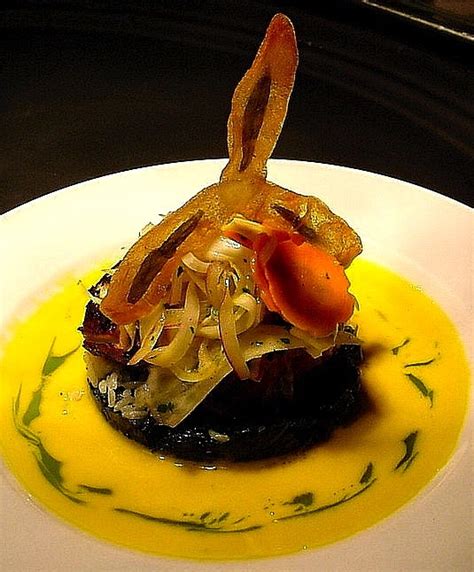
Garnishes are not merely decorative; they should ideally complement the flavors of your dish. A sprig of fresh parsley, a sprinkle of chives, a lemon wedge, or a drizzle of a reduction sauce can add color, aroma, and an extra layer of flavor. Ensure garnishes are fresh, edible, and purposefully placed – avoid using them just for the sake of it.
Common and Effective Garnishes:
- Fresh herbs (parsley, cilantro, dill, basil)
- Citrus zest or wedges
- Toasted nuts or seeds
- Edible flowers
- Sauces, purees, or oils drizzled artfully
Practical Tips for Home Cooks
- Keep it Clean: Always wipe the edges of your plate with a clean cloth before serving.
- Less is More: Don’t try to cram too many elements onto one plate. Focus on 2-3 key components and a garnish.
- Practice Makes Perfect: The more you experiment with different arrangements, the more natural it will become.
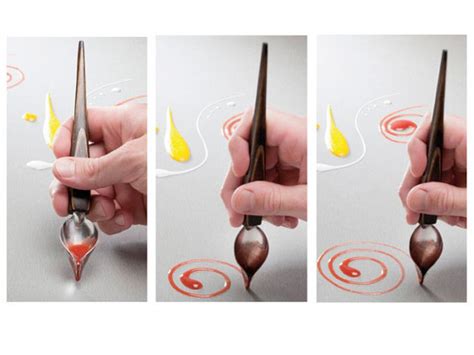
- Consider the Sauce: Use squeeze bottles or spoons for precise sauce placement – a swipe, a few dots, or a perfect circle can elevate the look.
- Temperature Matters: Serve hot food hot and cold food cold; it contributes to the overall perception of quality.
Conclusion: Plate with Purpose
Plating your homemade dishes is a simple yet impactful way to elevate your cooking and dining experience. By paying attention to dishware, color, texture, arrangement, and thoughtful garnishes, you can transform everyday meals into visually stunning, vibrant culinary creations. Don’t just cook for the palate; cook for the eyes, and watch as your family and guests marvel at your culinary artistry.