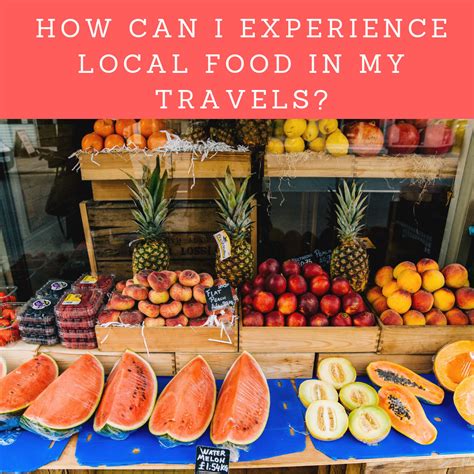





What visual strategies best capture authentic global food adventures?

Embarking on a global food adventure is an immersive experience that engages all senses. However, translating the richness, aroma, and vibrant energy of a local dish or bustling market into a compelling visual narrative presents a unique challenge. It’s not just about snapping a pretty picture of food; it’s about capturing the soul of a culinary culture. So, what visual strategies truly convey the authenticity of these indelible experiences?
Beyond the Picture-Perfect Plate: Embracing Authenticity
Many food photos focus solely on the final, beautifully plated dish. While aesthetically pleasing, this often misses the deeper story. Authentic food photography goes beyond mere food styling to encompass the environment, the process, and the people involved. It’s about showing the life cycle of the food, from its raw ingredients to its final consumption.
Think about the chaotic beauty of a spice market, the weathered hands of a street vendor, or the steam rising from a sizzling pan. These elements contribute significantly to the authenticity of the food experience. Capturing these moments requires a shift from staged perfection to candid realism, letting the story unfold naturally through the lens.
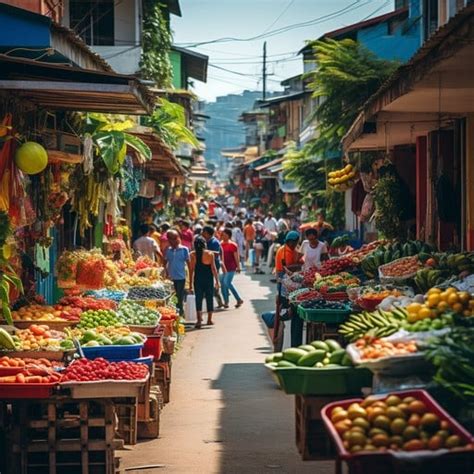
The Human Element: Faces and Hands Tell Stories
Perhaps the most powerful way to inject authenticity is by focusing on the people. The cooks, vendors, and diners are integral to the food’s identity. Photographing the concentration of a chef kneading dough, the joyful interaction over a shared meal, or the intense focus of a street vendor preparing a dish adds a profound layer of narrative. Their expressions, gestures, and the way they interact with the food communicate cultural nuances that no amount of food styling can replicate.
Capture the hands that prepare, the eyes that choose, and the mouths that savor. These human connections transform a simple food photo into a genuine window into a culture. Whether it’s a wide shot of a busy kitchen or a close-up of skilled hands at work, people are the heart of global food adventures.
Environment as Character: Setting the Scene
Food never exists in a vacuum; its surroundings are as much a part of its identity as its ingredients. The setting — be it a vibrant street market, a humble family kitchen, a bustling hawker center, or a quaint local eatery — provides crucial context. These environments often tell tales of tradition, community, and daily life.
Use wide-angle shots to establish the scene, showcasing the atmosphere, architecture, and even the clutter that defines a place. Look for details like worn tables, colorful signage, traditional utensils, or even the shadows cast by market awnings. These visual cues immerse the viewer in the experience, making them feel like they are right there alongside you.

Rawness and Process: The Journey of Food
Authenticity also lies in revealing the journey of the food itself. This means capturing the ingredients in their raw form, the process of preparation, and even the imperfections that come with homemade or traditional cooking. Show the fresh herbs bundled at a market, the meticulous slicing of vegetables, or the slow simmering of a stew. These process shots offer insight into the effort and tradition behind each dish.
Don’t shy away from the ‘messy’ parts—the splatters, the steam, the organized chaos of a working kitchen. These elements are not flaws; they are indicators of real life and genuine culinary activity. They add texture and truth to your visual story, emphasizing that food is a dynamic, living entity.
Light, Detail, and Composition: Elevating the Visual Narrative
While storytelling is paramount, effective visual techniques enhance the impact. Utilize natural light whenever possible; it brings out the true colors and textures of food and creates a more authentic mood. Play with composition to draw the eye to key elements—a close-up on a unique spice, a wide shot capturing the scale of a market, or a leading line guiding the viewer to a cooking action.
Focus on details that might otherwise be overlooked: the intricate pattern on a piece of pottery, the condensation on a cold drink, or the subtle shimmer of oil on a frying pan. These small touches add depth and sensory richness to your visuals, making the viewer feel closer to the actual experience.
Cultural Context and Storytelling: Deeper Immersion
Finally, remember that food is deeply intertwined with culture. Seek to tell a broader story through your images. How is the food served? What are the local customs around eating? Who is eating it, and in what context? A series of photographs that show the evolution of a dish—from market vendor to cook to a family sharing it—can be incredibly powerful. These sequences provide a narrative arc that goes beyond individual snapshots, painting a comprehensive picture of a culinary adventure.

Conclusion: A Feast for the Eyes and Soul
Capturing authentic global food adventures visually requires more than technical skill; it demands empathy, curiosity, and a willingness to step beyond the superficial. By focusing on the human element, the environment, the process, and the cultural context, and by embracing natural light and candid moments, you can create images that truly resonate. These aren’t just photos of food; they are invitations to experience the world, one delicious, authentic bite at a time, transporting the viewer and enriching their understanding of global cultures through their culinary heart.