



What ‘Visual Bites’ techniques hook foodies & drive recipe saves, not just likes?

The Engagement Trap: Why Likes Aren’t Enough
In the bustling digital culinary landscape, a ‘like’ is fleeting – a momentary nod of appreciation. But a ‘save’ is a commitment, a bookmark for future culinary adventures, a sign of true intent and deeper engagement. For food creators, shifting focus from ephemeral likes to actionable saves means building a more loyal, active audience. This isn’t just about pretty pictures; it’s about crafting ‘Visual Bites’ that tell a story, solve a problem, or spark an undeniable desire to recreate.
So, what visual techniques truly resonate with foodies, compelling them to hit that ‘save’ button instead of just a quick double-tap? It’s about tapping into the psychology of utility, aspiration, and achievable deliciousness.
Beyond Aesthetic: The Psychology of the Save
Saving a recipe isn’t just about liking the look of a dish; it’s about seeing its potential in your own kitchen. Foodies save recipes because they’re inspired, they perceive the recipe as manageable, or they see a clear use case for a future meal. Your ‘Visual Bites’ need to communicate more than just beauty – they must convey utility and possibility. This requires a deliberate approach to composition, lighting, and narrative.
Technique 1: The ‘Process Shot’ Appeal – Demystifying Deliciousness
Food can often feel intimidating to prepare. ‘Visual Bites’ that break down a recipe into digestible, appealing steps can be incredibly powerful for driving saves. Instead of just a final hero shot, include images that show a key stage of the process: dough rising, layers forming, a drizzle being applied, or ingredients prepped. These shots reassure the viewer that the recipe is achievable, making them more likely to save it for later.
A sequence of a hand folding pasta, the golden crust forming on a bake, or colorful ingredients being tossed in a bowl creates a sense of journey and transparency. It builds confidence and curiosity, proving that the end result isn’t magic, but a replicable process.
Technique 2: Emphasizing Texture & Detail – The Sensory Invitation
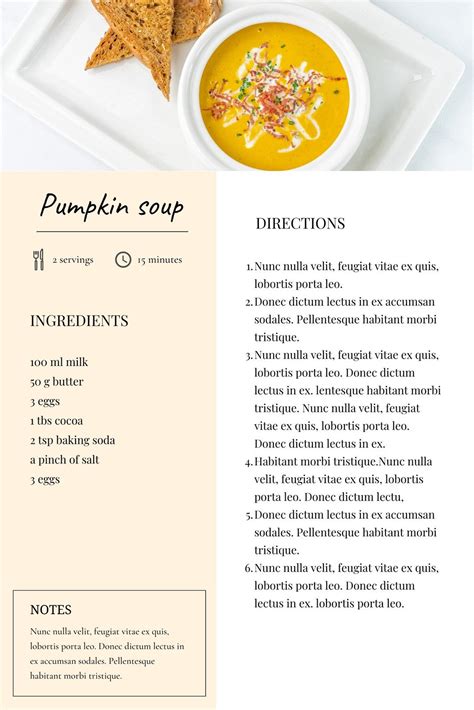
Our eyes are the first gateway to taste. Visually highlighting the textures of food – a gooey cheese pull, crispy edges, glistening sauces, flaky pastry, or crumbly topping – can create an almost irresistible urge. Macro shots and close-ups that focus on these sensory details invite the viewer to imagine the tactile and taste experience. This isn’t just about sharp focus; it’s about strategic lighting that accentuates every ridge and sheen.
Think about the steam rising from a freshly baked pie, the individual grains of rice in a perfectly cooked risotto, or the vibrant seeds on a slice of avocado toast. These details make the food feel real, tangible, and achievable, prompting a save for when the craving hits.

Technique 3: Lifestyle & Contextual Storytelling – The Aspirational Meal
Food is rarely consumed in isolation. Presenting your ‘Visual Bites’ within a relatable context – a cozy breakfast scene, a vibrant picnic spread, a comforting weeknight dinner – helps foodies envision themselves enjoying the dish. Lifestyle shots convey more than just the recipe; they sell an experience, a mood, or a solution to a mealtime dilemma. This aspirational element can be a strong driver for saves.
Show the food being shared, a hand reaching for a piece, or a drink pairing nearby. These elements paint a fuller picture, making the recipe feel like a desirable addition to their own life and prompting them to save it for a special occasion or even a regular weeknight.
Technique 4: The ‘I Can Make That’ Factor – Accessibility in Presentation
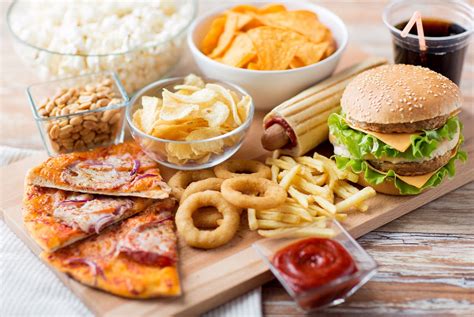
While beautifully styled food is captivating, overly complex or unattainable presentations can be off-putting. ‘Visual Bites’ that present food in a way that feels approachable and achievable can significantly increase saves. Use everyday props, natural light, and straightforward plating that suggests, ‘You don’t need a professional studio to make this taste and look good.’
Focus on clear, uncluttered compositions that highlight the main dish without overwhelming it. Show realistic portions and garnishes that are easily replicated. This approach fosters a sense of confidence in the viewer, making them believe they can genuinely recreate the dish at home.

Conclusion: From Scrollers to Savers with Strategic Visual Bites
Moving beyond mere ‘likes’ to generate valuable ‘saves’ requires a deliberate and thoughtful approach to your visual content. By incorporating process shots, emphasizing inviting textures, telling a story through lifestyle contexts, and ensuring an accessible presentation, you transform passive scrolling into active engagement. These ‘Visual Bites’ techniques don’t just showcase food; they inspire action, build trust, and ultimately cultivate a more engaged and loyal community of food enthusiasts ready to dive into your recipes.