




Best hacks for vibrant, fresh herb storage to reduce waste?

Unlock the Secret to Long-Lasting Fresh Herbs
Fresh herbs are the soul of many dishes, adding unparalleled fragrance and flavor. However, they can also be a source of frustration and food waste when they wilt and spoil just days after purchase. Fear not, home cooks! With a few simple yet effective storage hacks, you can extend the life of your fresh herbs, keeping them vibrant and ready for action, all while minimizing what goes into the bin.
Understanding Your Herbs: Soft vs. Hard
The key to successful herb storage often lies in understanding the herb itself. Generally, herbs can be divided into two categories: soft and hard. Each category benefits from slightly different storage approaches.
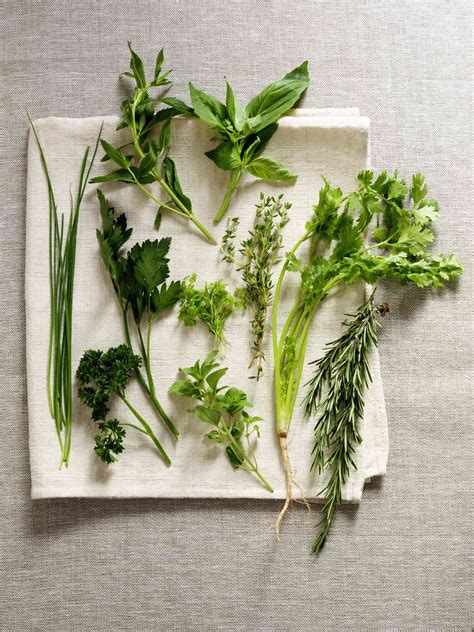
Soft Herbs (e.g., Parsley, Cilantro, Mint, Dill, Basil)
These herbs have tender stems and delicate leaves that wilt easily. Their ideal storage often mimics a bouquet of flowers.
- The “Bouquet” Method: Trim the very ends of the stems, just like you would with flowers. Place the herbs upright in a glass jar with about an inch of water at the bottom. For most soft herbs (parsley, cilantro, mint, dill), cover loosely with a plastic bag (a produce bag works perfectly) and refrigerate. Change the water every other day.
- Basil’s Exception: Basil is a tropical plant and detests the cold. Store basil using the bouquet method, but keep it on the countertop away from direct sunlight, not in the refrigerator. Cover it loosely with a plastic bag if your kitchen is dry.
- Damp Paper Towel Method: If space is tight, gently wrap washed (and thoroughly dried) soft herbs in a slightly damp paper towel, then place them in a resealable plastic bag or airtight container. Refrigerate. This method is excellent for cilantro and parsley.

Hard Herbs (e.g., Rosemary, Thyme, Oregano, Sage)
Hard herbs have woody stems and sturdier leaves, making them a bit more forgiving.
- Paper Towel & Bag Method: For hard herbs, a slightly damp paper towel works wonders. Gently wrap the unwashed herbs in a barely damp paper towel, then place them in a resealable plastic bag or an airtight container. Refrigerate. This prevents them from drying out too quickly while also deterring mold.

Beyond the Fridge: Freezing for Long-Term Storage
When you have an abundance of herbs, or if you know you won’t use them all within a week, freezing is an excellent way to preserve their flavor for months.
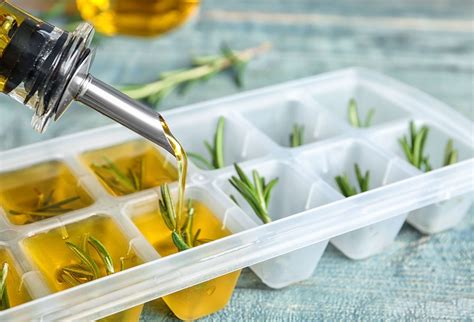
- Herb Ice Cubes: Finely chop your herbs (most varieties work well here, including soft and hard ones). Pack them into ice cube trays. Cover with a neutral oil (like olive oil) or water. Freeze until solid, then pop out the cubes and store them in a freezer-safe bag or container. These are perfect for adding directly to soups, stews, sauces, or sautéed dishes.
- Direct Freezing: For some herbs like dill, parsley, or chives, you can simply chop them and spread them in a single layer on a baking sheet to freeze individually. Once frozen, transfer to a freezer-safe bag. This allows you to grab just a pinch as needed.

Drying Herbs: A Traditional Preservation Method
While fresh herbs offer the most vibrant flavor, drying is an age-old method that intensifies certain aromatic compounds, making them perfect for long-term pantry storage. This works best for hardier herbs like rosemary, thyme, sage, and oregano.
- Air Drying: Tie small bundles of herbs together with twine. Hang them upside down in a warm, dry, well-ventilated area away from direct sunlight. They typically take 1-3 weeks to dry completely.
- Oven Drying: For a quicker method, you can gently dry herbs in a low oven (around 100-180°F or 40-80°C) for several hours, checking frequently to prevent burning.
- Dehydrator: A food dehydrator offers the most consistent results for drying herbs, following the manufacturer’s instructions.
Once dried, crumble the leaves and store them in airtight containers in a cool, dark place.
Final Tips for Herb Longevity
- Wash Only When Ready: Moisture encourages spoilage, so avoid washing your herbs until just before you’re ready to use them.
- Remove Rubber Bands: Always remove any rubber bands or ties from herb bundles immediately, as they can damage stems and promote rot.
- Check Regularly: Keep an eye on your stored herbs. If any leaves start to wilt or show signs of mold, remove them to prevent spread.
By implementing these smart storage hacks, you’ll find yourself enjoying vibrant, fresh herbs for longer, significantly reducing food waste, and always having that burst of fresh flavor at your fingertips.