



How to plate gourmet dishes beautifully for stunning food photos?
The Art of Plating for the Lens
In the world of culinary arts, the phrase “we eat with our eyes first” holds profound truth, especially when it comes to capturing the essence of gourmet dishes through photography. A beautifully plated dish doesn’t just look appealing; it tells a story, highlights textures, and invites the viewer to imagine the flavors. Mastering the art of plating for the camera is a skill that can transform your food photos from ordinary snapshots into stunning visual feasts.
It’s about more than just arranging food; it’s about understanding composition, color theory, and how light interacts with your creation. Let’s dive into the essential techniques that will help you plate your gourmet dishes with photographic perfection.
Understanding Composition and Balance
Good plating, much like good photography, relies heavily on composition. Think about the “rule of thirds” – placing your main subject off-center creates a more dynamic and interesting image. Asymmetrical balance often works best, where elements are arranged to create visual harmony without being mirror images of each other. Identify a focal point for your dish and build around it, ensuring that all components contribute to the overall visual story without overcrowding the plate.
Consider the “clock method” for classic placement: starches at 11 o’clock, vegetables at 2 o’clock, and protein at 6 o’clock. However, for modern gourmet plating, breaking away from rigid rules and embracing artistic flair often yields more compelling results, as long as balance is maintained.
Playing with Color, Contrast, and Texture
Vibrant colors are incredibly attractive to the eye, especially in photos. Incorporate a variety of colorful ingredients naturally present in your dish or through garnishes. Think about contrasting colors to make elements pop – a bright green herb against a rich brown sauce, or a crimson berry atop a creamy white dessert.
Texture adds depth and interest. A good plate will feature a mix of textures: crispy, creamy, smooth, crunchy. These textural differences are not just for the palate but also for the lens, creating visual intrigue. Use sauces, purees, and crumbs strategically to add layers of texture and visual appeal.
Creating Height and Dimension
Flat food rarely makes for exciting photos. Introducing height and dimension to your plate adds dynamic visual interest. Think vertically! Stack components carefully, using denser items as a base. Layering thin slices of vegetables or meat, or building a small tower with grains or purees, can elevate your dish (literally). A central focal point with surrounding elements creates a sense of drama and makes the dish feel more substantial and gourmet.
Mastering Negative Space
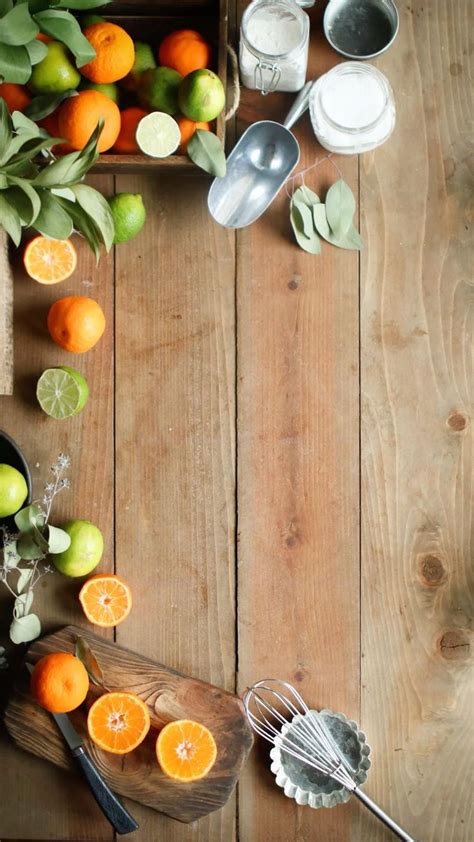
Sometimes, what you leave out is as important as what you put in. Negative space – the empty areas on your plate – allows the eye to rest and emphasizes the beauty of the food itself. Don’t crowd your plate. Use larger plates for smaller portions to give your ingredients room to breathe and shine. A clean, uncluttered background focuses attention squarely on your culinary creation.
The Power of Purposeful Garnishes
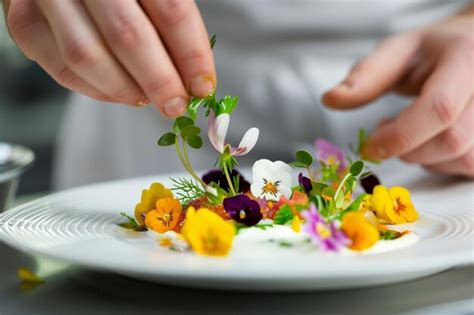
Garnishes are not just an afterthought; they are integral to a gourmet presentation. Fresh herbs, edible flowers, a sprinkle of spices, a drizzle of high-quality oil, or a dust of powdered sugar can add color, texture, and a touch of elegance. Ensure your garnishes are fresh, thoughtfully placed, and directly relevant to the dish’s flavors. Less is often more; avoid over-garnishing, which can make a plate look busy and unprofessional.
Tools of the Trade for Precision Plating
Having the right tools can make a significant difference. Consider investing in:
- Plates: Various shapes (round, square, rectangular) and colors (white, black, earthy tones) can dramatically change the perception of your dish.
- Squeeze Bottles: For precise application of sauces and purees.
- Plating Tweezers: For delicate placement of small items like herbs, microgreens, or tiny edible flowers.
- Offset Spatulas: For smooth spreading and lifting.
- Pastry Brushes: For applying glazes or oils with precision.
Photography-Specific Plating Tips
- Consider the Angle: Plate your food knowing from which angle it will be shot. If it’s a top-down shot, focus on patterns and color distribution. If it’s a straight-on shot, emphasize height and layers.
- Maintain Freshness: Plate quickly and have your camera ready. Certain ingredients wilt, oxidize, or lose their vibrancy rapidly.
- Cleanliness is Key: Ensure the rim of your plate is spotless. Use a damp cloth or cotton swab to wipe away any stray drips or smudges before shooting.
- Lighting Matters: Plate in good, natural light if possible. Harsh shadows can ruin an otherwise perfect plate.

Conclusion
Plating gourmet dishes for stunning food photography is an art form that blends culinary skill with an eye for aesthetics. By focusing on composition, balancing colors and textures, creating height, utilizing negative space, and applying purposeful garnishes, you can transform your dishes into captivating visual narratives. Practice these techniques, experiment with different styles, and watch as your food photos elevate to professional-grade masterpieces, tempting every viewer with their exquisite beauty.