




Visual foodies: How to find authentic local eats fast?

The Visual Foodie’s Quest for Authenticity
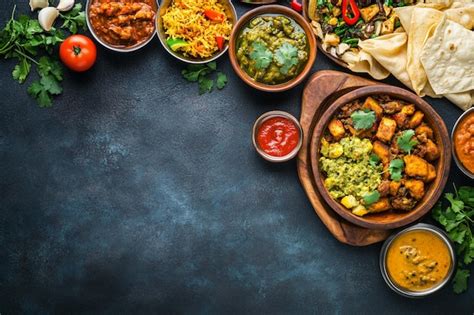
For the modern foodie, a meal isn’t just about taste; it’s an experience to be seen, shared, and savored visually. But in a world saturated with picture-perfect dishes designed for Instagram, how do you cut through the noise to find genuinely authentic local eats, and do it fast? It’s a common dilemma for visual foodies on the go, craving genuine flavors over tourist traps.
The good news is that your visual instincts, when honed correctly, are your greatest asset. By learning to interpret subtle visual cues and leveraging digital tools, you can swiftly navigate culinary landscapes to uncover hidden gems that offer a true taste of local culture.
Beyond the Tourist Traps: The Power of Observation
The first step in finding authentic local food quickly is to observe like a local. Forget the glossy brochures and prominent signs; look for the places where locals themselves are congregating. Is there a queue of people waiting patiently? Are the tables full, especially during off-peak hours? These are strong visual indicators of popularity and, often, authenticity.
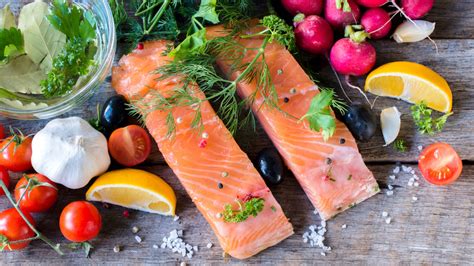
Street food stalls and bustling markets are often treasure troves. The sight of fresh ingredients, sizzling woks, and cooks expertly preparing dishes in front of you tells a powerful story. If the locals are lining up for it, it’s probably good. Pay attention to dishes being made fresh, the cleanliness of the setup, and the general vibe of the crowd.
Harnessing Digital Visuals: Social Media & Reviews
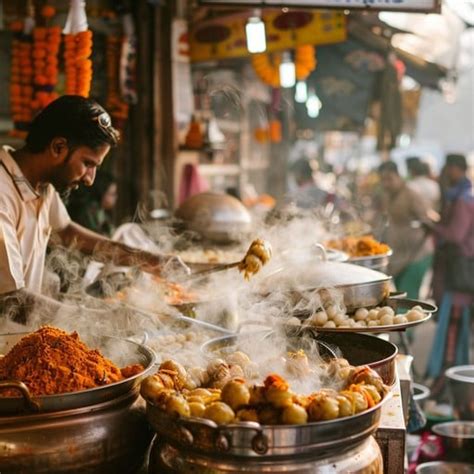
Social media platforms like Instagram and TikTok are not just for sharing; they are powerful discovery tools. Search for location tags or local hashtags (e.g., #ParisFood, #TokyoEats, #AuthenticRome) and filter by ‘Recent’ posts. Look for unedited, candid photos posted by locals, not just polished influencer shots. These often reveal the true appearance of dishes and the ambiance of lesser-known establishments.
Google Maps and Yelp reviews also offer a goldmine of visual information. Instead of just reading star ratings, delve into the photo sections. Look for user-submitted pictures of the food, the menu, and the restaurant interior. Are the dishes consistently appetizing? Do the photos match what you’re looking for in terms of local flavor and presentation? Reviews written in the local language, often accompanied by photos, are particularly valuable.
Seek Out Authentic Sights and Sounds
When you’re walking around, trust your eyes. An authentic local eatery might not have a fancy storefront or English menus plastered everywhere. Instead, look for handwritten menus, busy kitchen activity visible from the street, or the inviting aroma of spices wafting out. The decor might be simple, even utilitarian, but if it’s filled with locals laughing and enjoying their meals, you’ve likely found a winner.
Don’t be afraid to peek inside. Visual cues like communal tables, stacks of fresh bread, or unique local beverages on display can signal a place that prioritizes substance over tourist appeal. Sometimes, the most authentic experiences are found in the most unassuming places.

Food Blogs and Vlogs: A Visual Cheat Sheet
Before you even arrive at your destination, do a quick search for local food blogs or YouTube vlogs focusing on specific cities or regions. Many passionate foodies dedicate their time to documenting genuine local experiences, often with vivid photography and video. They can point you to specific dishes and establishments that might otherwise be overlooked.
Pay attention to their visual storytelling. Do their photos and videos make the food look truly appealing and representative of the local cuisine? Are they highlighting places that seem off the beaten path? These resources can give you a visual roadmap to your next authentic meal.
Red Flags for Visual Foodies
Just as there are positive visual cues, there are also red flags. Be wary of restaurants with overly generic or laminated menus featuring stock photos that look nothing like the actual dishes. An empty restaurant during peak dining hours is another significant warning sign. Locations that feel overly sanitized or specifically designed to cater to a generic tourist palate often lack the soul of true local cuisine.
Conclusion: Trust Your Eyes, and Your Gut
Becoming a visual foodie master at finding authentic local eats quickly is a skill refined through practice. It involves combining astute observation of your surroundings with smart use of digital tools. Learn to distinguish between manufactured beauty and genuine culinary appeal, and always keep an open mind.
By trusting your eyes to guide you to the places where locals truly eat, you’ll not only discover incredible flavors but also gain a deeper, more authentic understanding of the culture. So go forth, observe, click, and most importantly, enjoy the visual feast that leads to truly unforgettable meals.