



What quick food styling tricks make Visual Bites truly irresistible?
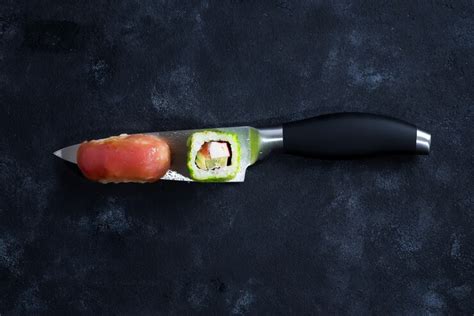
In the digital age, where every meal is a potential photo opportunity, the visual appeal of food has become as crucial as its taste. Whether you’re a home cook sharing creations online, a blogger building a brand, or a restaurateur showcasing menu items, mastering quick food styling tricks can transform ordinary dishes into truly irresistible “Visual Bites.” It’s not about elaborate setups, but about understanding simple techniques that enhance natural beauty and tell a delicious story.
The Power of Color and Contrast

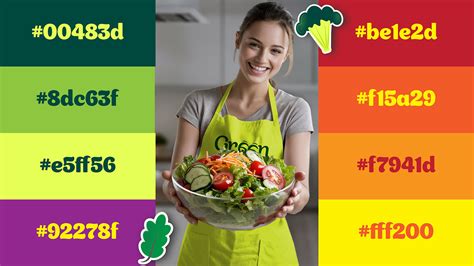
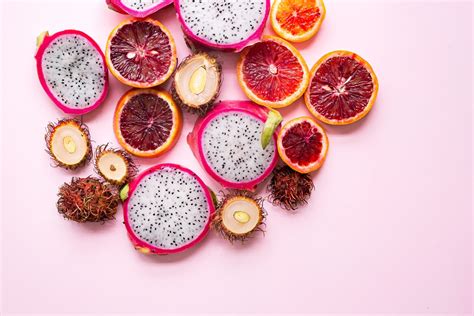
One of the quickest ways to make a dish pop is to play with color and contrast. Think beyond a monochromatic plate. A sprinkle of fresh herbs on a creamy pasta, a vibrant berry alongside a golden pancake, or a bright sauce swirled onto a neutral canvas can immediately elevate the dish. Use ingredients with naturally appealing colors and arrange them so they stand out against each other. For instance, dark plates can make light-colored foods brighter, and vice versa. Don’t be afraid to add a splash of unexpected color, like an edible flower petal or a dash of paprika, to draw the eye.
Texture and Dimension for Depth
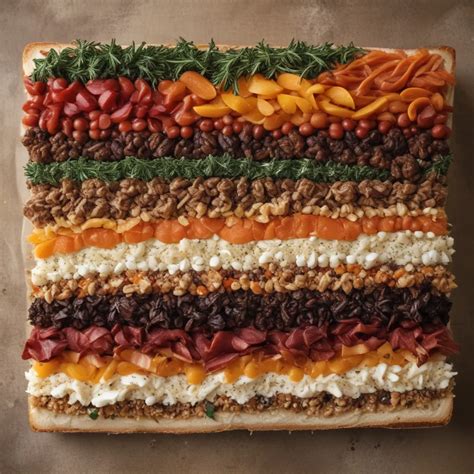
Flat food photographs rarely excite. Introducing texture and dimension is key to making a dish look more appealing and substantial. Think about layers: stacking ingredients slightly, creating height, or adding elements with varied textures like crunchy nuts on a soft dessert, or crisp croutons on a smooth soup. A perfectly poached egg cascading over avocado toast, or a mound of fluffy whipped cream on a pie creates visual interest. You can also use small tools like a spoon to create swirls in sauces or dips, adding a touch of artistry without much effort.
Strategic Garnishing: Less is More
Garnishes are often the finishing touch that brings a dish to life, but they should be used strategically, not excessively. A sprig of fresh mint, a sprinkle of toasted sesame seeds, a zest of citrus, or a delicate drizzle of olive oil can add freshness, color, and a professional touch. The trick is to choose garnishes that complement the dish’s flavors and textures, not overwhelm them. Place them precisely where they will draw attention to the main components without cluttering the plate. Think of garnishes as jewelry for your food – a few well-chosen pieces are far more impactful than a whole collection.
Lighting and Angles: Your Unsung Heroes

Even the most beautifully styled food can look unappetizing under poor lighting. Natural light is almost always your best friend. Position your dish near a window, but avoid direct sunlight which can create harsh shadows. Soft, diffused light highlights textures and colors beautifully. If natural light isn’t available, use a softbox or bounce flash. Experiment with angles; shooting from directly above (flat lay) works wonders for bowls and artfully arranged plates, while a slightly lower angle can emphasize height and layers in burgers or cakes. A simple white or neutral background can also make your food stand out without distraction.
The Power of Props and Backgrounds
While the focus should always be on the food, thoughtfully chosen props and backgrounds can enhance the overall visual story. A rustic wooden board for a cheese platter, a linen napkin for a breakfast scene, or a vintage fork subtly placed can add character and context. Keep props minimal and ensure they don’t overshadow the food. Backgrounds should be clean and uncluttered, often a simple white, gray, or wooden surface. The goal is to create an inviting scene that makes the viewer want to reach out and taste what’s on display.
Ultimately, making “Visual Bites” truly irresistible boils down to presenting food in a way that appeals to the senses even before the first bite. By focusing on quick tricks involving color, texture, strategic garnishing, optimal lighting, and subtle props, anyone can elevate their food photography and make every dish look as delicious as it tastes. Remember, practice makes perfect, and even small adjustments can lead to big visual impacts.