



Visual meal prep ideas to maximize flavor & minimize waste?

Meal preparation has evolved beyond simply cooking in bulk; it’s now an art form that combines efficiency, nutrition, and creativity. For many, the visual aspect of food is just as important as its taste, and when it comes to meal prep, seeing truly is believing. By thoughtfully planning and presenting your meals, you can not only elevate their flavor profile but also significantly cut down on food waste, making your kitchen life more sustainable and enjoyable.
The Aesthetic Advantage: Why Visual Prep Matters
A visually appealing meal is more enticing and satisfying. When you prepare ingredients with an eye for color, texture, and arrangement, you inherently focus on their quality and freshness. This mindful approach to prepping encourages you to select vibrant produce, lean proteins, and wholesome grains, laying the groundwork for delicious and nutritious dishes. Moreover, a well-organized visual inventory of your prepped components in the fridge makes it easier to combine them into varied meals throughout the week, preventing forgotten ingredients from going bad.

Maximizing Flavor Through Smart Visual Pairing
Visual meal prep isn’t just about pretty containers; it’s about strategic ingredient pairing that enhances taste. Think about how professional chefs plate their dishes: contrasting colors, varied textures, and fresh garnishes all play a role in the overall sensory experience. Apply this to your prep by:
- Color-Coordinating Ingredients: Grouping ingredients that naturally complement each other in flavor and visually (e.g., red bell peppers with green zucchini, purple cabbage with orange carrots).
- Pre-Marinating and Seasoning: Visually vibrant marinades not only tenderize and flavor proteins but also look appetizing in their containers. Season vegetables before roasting or steaming to lock in taste.
- Layering Components: When packing meals, layer ingredients to maintain texture and prevent sogginess. For example, place grains at the bottom, followed by proteins, then vegetables, and dressing on the side. This visual separation also signals distinct flavor profiles.
Cutting Down Waste with Clear Vision and Organization
Food waste is a major concern, but visual meal prep offers powerful solutions. The key is visibility and strategic repurposing:
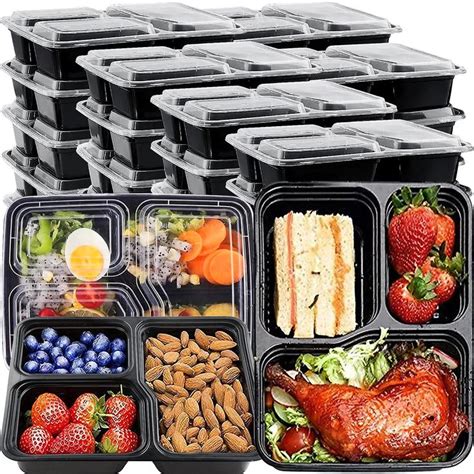
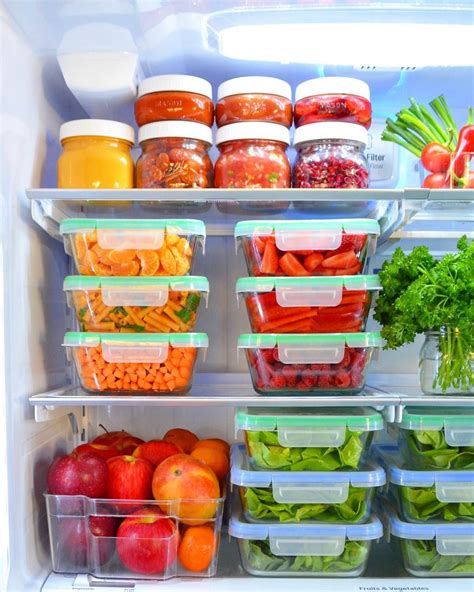
- Transparent Containers: Invest in clear, stackable containers. Seeing your prepped ingredients at a glance helps you remember what you have and inspires you to use them before they spoil.
- Designated Zones in the Fridge: Organize your fridge with specific zones for prepped veggies, cooked proteins, and grains. This “first-in, first-out” visual system ensures older items are used first.
- “Use Me First” Bins: Create a bin for ingredients nearing their expiry or small portions that need to be combined into a meal soon. This visible reminder is a powerful waste deterrent.
Creative Repurposing: From Scraps to Stars
Don’t let trim and leftovers go to waste. Embrace the art of creative repurposing, which often leads to some of the most flavorful and satisfying meals:
- Vegetable Scraps for Broth: Keep a freezer bag of vegetable ends (onion peels, carrot tops, celery bottoms) to make a flavorful homemade vegetable broth.
- Leftover Grains into Salads or Frittatas: Transform cooked quinoa or rice into vibrant grain bowls or frittatas by adding fresh herbs, vegetables, and a protein.
- Roasted Vegetable Medleys: Combine leftover roasted vegetables with pasta, a fried egg, or in a wrap for a quick, delicious lunch.
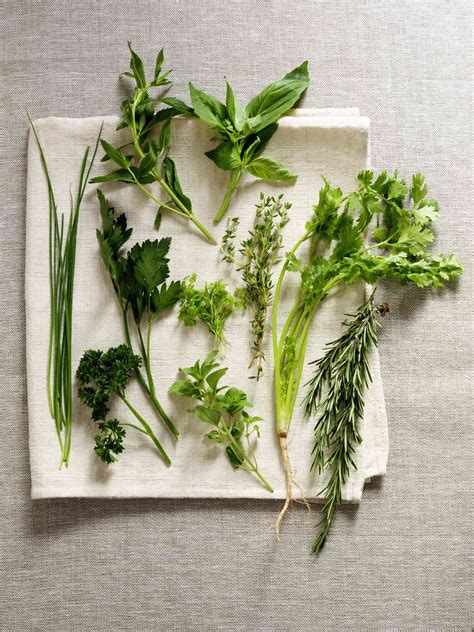
- Herb Stems to Flavor Oils/Vinegars: Woody herb stems can infuse oils or vinegars, adding depth to dressings and marinades.

Embracing the Journey to a More Flavorful, Less Wasteful Kitchen
Visual meal prep is more than a trend; it’s a sustainable lifestyle choice that enhances both your culinary enjoyment and environmental impact. By adopting these strategies—from thoughtful aesthetic planning to smart storage and creative repurposing—you’ll discover a more organized kitchen, a richer palette of flavors, and a significant reduction in food waste. Start small, experiment with colors and textures, and soon you’ll be a master of mindful meal preparation, enjoying delicious, healthy food all week long.