





How to keep vegetables bright & crisp for visually stunning, flavor-packed foodie dishes?

The Secret to Stunning Veggie Dishes: Freshness Starts at Home
The allure of a perfect dish often begins with its visual appeal. For many culinary creations, the star ingredients are often vibrant, crisp vegetables. But how do professional chefs and home cooks alike manage to keep their produce looking and tasting as good as the day it was picked? It’s all about understanding the delicate science of vegetable preservation, from mindful storage to smart cooking techniques. Say goodbye to limp greens and dull-colored produce, and get ready to elevate your foodie dishes with stunning, flavor-packed vegetables.

Optimal Storage: The Foundation of Freshness
Proper storage is the first and most crucial step in maintaining the brightness and crispness of your vegetables. Different vegetables have different needs, but a few general principles apply.
Leafy Greens (Lettuce, Spinach, Kale)
Moisture is key, but not too much. Wash your greens only right before use. For storage, pat them very dry with a clean cloth or paper towels, then wrap them in fresh paper towels and store them in an airtight container or a sealed bag in the crisper drawer. The paper towels absorb excess moisture, preventing rot, while the container keeps them from drying out.
Root Vegetables (Carrots, Beets, Radishes)
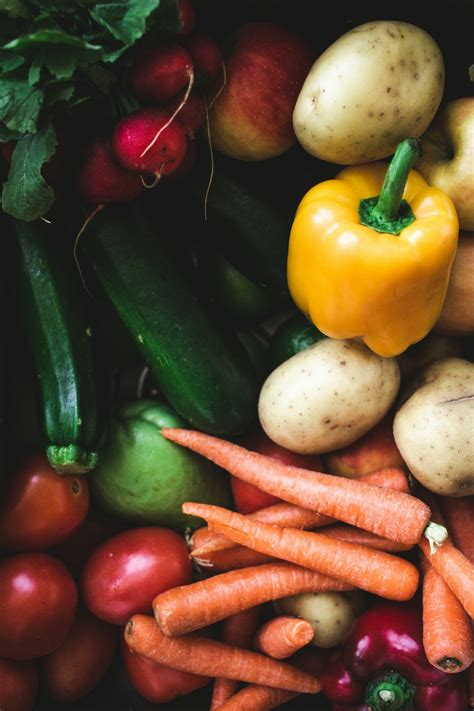
Trim off any green tops immediately, as they draw moisture from the roots. Store roots unwashed in a cool, dark, and slightly humid place, like your refrigerator’s crisper drawer. A breathable bag can help maintain humidity without trapping too much moisture. For longer storage, some even recommend storing them in sand.
Herbs (Parsley, Cilantro, Basil)
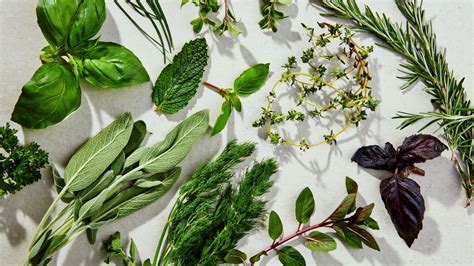
For most tender herbs, treat them like a bouquet of flowers. Trim the bottoms of the stems, place them in a glass of water, cover loosely with a plastic bag, and refrigerate (except basil, which prefers room temperature). Woody herbs like rosemary and thyme can be wrapped in a damp paper towel and stored in a sealed bag.
Cruciferous Vegetables (Broccoli, Cauliflower)
These vegetables thrive in slightly humid, cool conditions. Store them unwashed in an open plastic bag in the crisper drawer. If they come with leaves, remove any yellowing ones.
Reviving Wilted Vegetables: A Second Chance
Sometimes, despite our best efforts, vegetables can lose some of their crispness. Don’t throw them out! Many can be revived with a simple ice water bath. Submerge wilted greens, celery, carrots, or radishes in a bowl of ice water for 15-30 minutes. The cold water helps them rehydrate and regain their turgor, bringing back their crisp texture.

Cooking Techniques for Maximum Vibrancy and Crunch
Even perfectly stored vegetables can lose their charm if overcooked. The key to preserving their bright colors and crisp texture lies in quick, controlled cooking.
Blanching and Shocking
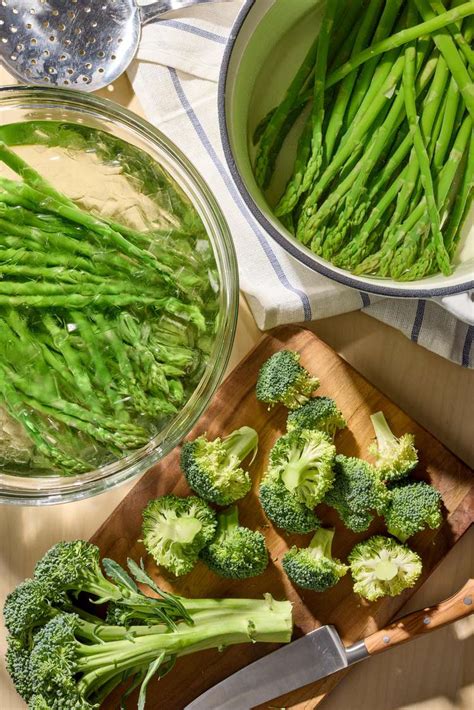
This technique is a chef’s secret weapon for vibrant vegetables. Briefly immerse vegetables (like green beans, broccoli florets, asparagus) in boiling salted water for 1-3 minutes, then immediately transfer them to an ice bath. This stops the cooking process, sets their color, and preserves their crispness. They can then be finished with a quick sauté or added to salads.
Quick Sautéing and Roasting
High heat for a short duration is excellent for retaining crunch. Stir-fry vegetables quickly in a wok or large pan over high heat, or roast them at a high temperature (around 400-425°F or 200-220°C) until tender-crisp. Avoid overcrowding the pan, which can steam the vegetables instead of browning them.
Conclusion: A Feast for the Eyes and Palate
Mastering the art of keeping vegetables bright and crisp is a game-changer for any aspiring foodie. By implementing thoughtful storage practices and intelligent cooking techniques, you can transform everyday ingredients into visually stunning, flavor-packed dishes that delight both the eyes and the palate. Embrace these tips, and let your vegetables shine!