



What recipe techniques enhance food’s natural vibrancy for stunning visual feeds?
In today’s visually driven world, the appeal of a dish extends far beyond its taste; its appearance is paramount, especially for those looking to create stunning visual content for social media. Crafting food that pops with natural vibrancy isn’t just about presentation; it begins with intentional choices in ingredients and cooking methods. Mastering these techniques can elevate a simple meal into an edible work of art, ensuring your culinary creations are as feast-worthy for the eyes as they are for the palate.
The Foundation: Ingredient Selection and Preparation
The journey to vibrant food starts long before cooking. The quality and freshness of your ingredients are the primary determinants of a dish’s natural color intensity.
Emphasize Freshness and Quality
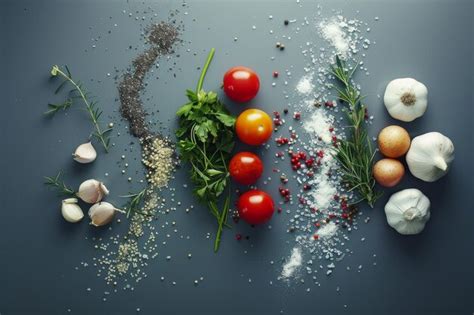
Always opt for seasonal, ripe produce. Fresh vegetables and fruits inherently possess more vivid colors and higher nutrient content, which translates to a more appealing final product. Look for firm, unblemished items with rich, deep hues.
Strategic Color Contrasts
When planning your dish, think about complementary colors. A vibrant red tomato against crisp green basil, or bright orange carrots beside purple cabbage, creates an immediate visual impact. Juxtaposing different shades naturally enhances each component’s vibrancy.
Proper Washing and Trimming
Thoroughly washing produce helps reveal its true color, removing any dulling residue. Trimming away bruised or discolored parts ensures only the most vibrant sections make it to the plate.
Mastering Cooking Techniques for Color Retention
How you cook ingredients plays a critical role in preserving and even enhancing their natural colors. Incorrect techniques can quickly dull vibrant produce.
Blanching for Brightness
For green vegetables like broccoli, asparagus, or green beans, blanching is your secret weapon. A quick dip in boiling, salted water followed by an immediate transfer to an ice bath stops the cooking process and locks in their brilliant green chlorophyll, preventing them from turning olive-drab.
Searing and Roasting for Rich Hues
Searing meats and roasting vegetables develop a beautiful caramelization (Maillard reaction), adding depth and richness to their color palette. High heat and minimal moisture encourage browning, creating enticing golden-brown crusts and intensified flavors that are visually appealing.
Steaming and Poaching Wisely
While frying can sometimes dull colors, steaming and poaching, when done correctly, can maintain vibrancy for more delicate ingredients. Ensure not to overcook, as prolonged heat can leach out pigments.
Utilizing Acid for Vividness
A splash of lemon juice or a drizzle of vinegar just before serving can work wonders. Acidity often brightens colors, particularly in green vegetables, and adds a fresh, sparkling finish that catches the light.

The Art of Plating and Garnishing
Once cooked, how you arrange your food on the plate is the final act of color enhancement, turning ingredients into an appetizing tableau.
Creating Height and Dimension
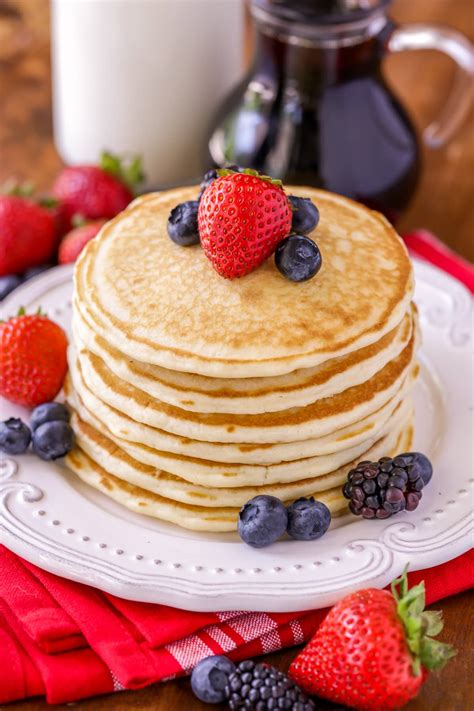
Flat food can look uninspired. Create visual interest by stacking components, layering textures, or placing items at varying heights. This adds depth and makes the dish more dynamic and appealing to the eye.
Strategic Use of Garnishes
Garnishes aren’t just for show; they can provide crucial pops of color. Fresh herbs (parsley, cilantro, dill), edible flowers, finely diced bell peppers, toasted seeds, or a contrasting sauce drizzle can instantly elevate the visual appeal and introduce vibrant accents.
Contrasting Textures
Beyond color, texture contrast adds another layer of visual interest. Think about pairing crunchy elements with creamy ones, or smooth purees with crisp vegetables. This variety keeps the eye engaged.
Leveraging Natural Color Boosters
Some ingredients naturally infuse dishes with intense, beautiful colors, acting as natural food dyes and flavor enhancers.
Herbs and Spices as Pigments
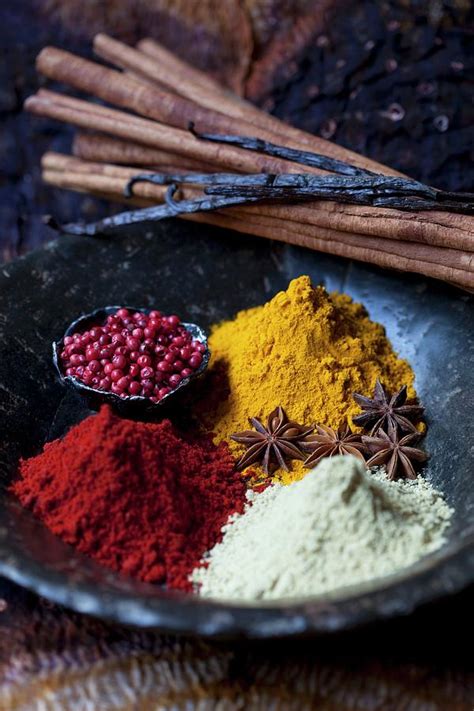
Spices like turmeric (yellow-orange), paprika (red-orange), saffron (golden yellow), and even chili powder can naturally color your dishes while adding robust flavor. Fresh herbs, when finely chopped and sprinkled, provide a burst of green that brightens any plate.
Fruit and Vegetable Purees
Incorporate purees from vibrant vegetables like beetroot (purple-red), carrots (orange), or spinach (green) into sauces, pasta dough, or even batters for a natural color boost. These add not only hue but also nutritional value.
Healthy Fats for Shine
A light brush of good quality olive oil or melted butter over roasted vegetables or grilled proteins can add a beautiful sheen, making them appear more appetizing and vibrant under light.
Final Touches for a Stunning Visual
The culmination of these techniques requires a few final considerations to ensure your food is truly camera-ready.
Consider the Backdrop and Lighting
While not strictly a recipe technique, remember that presentation is everything for visual feeds. A simple, uncluttered background and good natural light will allow your vibrant food to truly shine.
The Power of Glazing and Brushing
For certain dishes, a final glaze (e.g., balsamic glaze, honey mustard) or a quick brush of a flavorful oil can enhance luster and deepen colors, providing that extra ‘wow’ factor.
Conclusion
Enhancing food’s natural vibrancy for stunning visual feeds is an art and a science, requiring attention to detail at every stage of the cooking process. From selecting the freshest ingredients and employing color-preserving cooking methods to artful plating and strategic garnishing, each technique contributes to a dish’s overall appeal. By thoughtfully applying these culinary principles, you can transform your everyday cooking into visually spectacular creations that are not only delicious but also captivating for any audience.