



How to make healthy meal prep visually stunning and delicious for busy weeknights?

Meal prepping is a cornerstone of healthy eating for anyone navigating a busy schedule. However, the common perception of meal prep often conjures images of monotonous, bland, and uninspiring containers of food. But what if your healthy prepped meals could be as visually appealing and delicious as a restaurant dish, making you genuinely excited to eat them every day? It’s entirely possible with a few strategic approaches to color, texture, flavor, and presentation.
Beyond Basic Nutrition: The Power of Visuals
While the primary goal of healthy meal prep is nourishment, the visual appeal of food plays a significant role in our enjoyment and satisfaction. We eat with our eyes first! A beautifully arranged, colorful meal can stimulate appetite, make the eating experience more pleasurable, and even psychologically enhance the perception of taste. Conversely, a dull, monochromatic dish can feel unappetizing, no matter how healthy it is.
For busy weeknights, coming home to a meal that looks and smells fantastic is a true gift. It reduces the temptation for unhealthy takeout and reinforces your commitment to wholesome eating. The secret lies in understanding a few key principles of food presentation and flavor layering.

Mastering Visual Appeal: Feast for the Eyes
Embrace a Rainbow of Colors
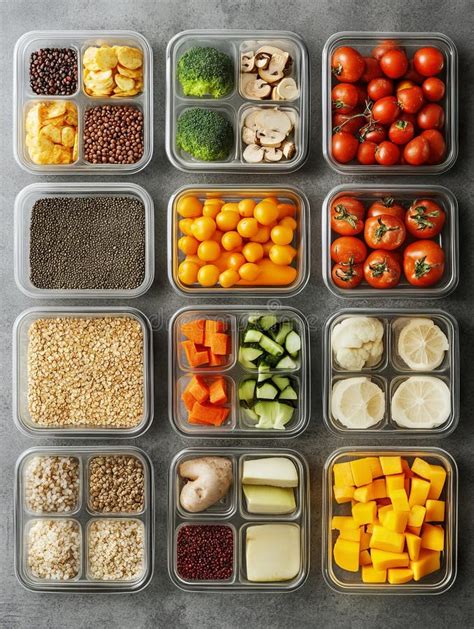
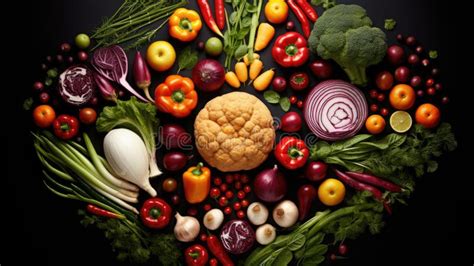
Variety isn’t just the spice of life; it’s the key to stunning meal prep. Incorporate a wide array of naturally colorful ingredients. Think vibrant greens from spinach and broccoli, deep reds from bell peppers and tomatoes, bright oranges from carrots and sweet potatoes, and purples from red cabbage or berries. These colors not only look great but also indicate a diverse nutrient profile.
Texture and Contrast are Key
Monotonous textures can make a meal boring. Aim for a mix of soft, crunchy, and chewy elements. Add toasted nuts or seeds for crunch, roasted vegetables for tender-crispness, and grains like quinoa or farro for chewiness. Layering these textures creates interest and makes each bite more engaging.
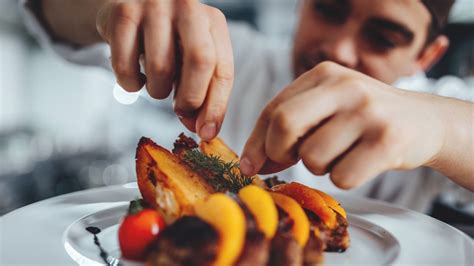
Thoughtful Presentation & Garnishes
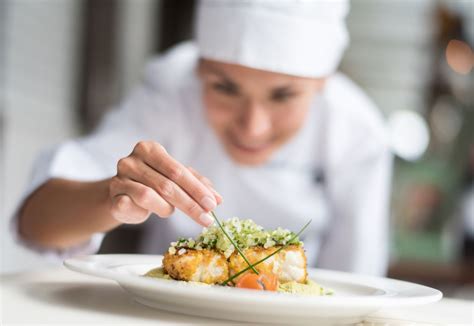
Even in a simple container, presentation matters. Arrange components neatly rather than piling them. Keep wet ingredients separate from dry ones until serving to prevent sogginess. A sprinkle of fresh herbs (parsley, cilantro, dill), a wedge of lemon, or a dash of sesame seeds can elevate a simple dish dramatically, adding a touch of freshness and sophistication.
Elevating Flavor: Beyond Bland Basics
Strategic Seasoning & Herbs
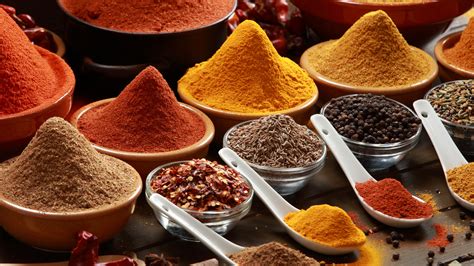
Don’t be shy with spices and herbs. They are your best friends for adding depth without excess calories or sodium. Use smoked paprika, cumin, garlic powder, onion powder, oregano, and chili flakes in marinades or while cooking. Fresh herbs like basil, mint, and cilantro can be added just before serving for a burst of fresh flavor.
Cooking Methods Matter
The way you cook your food profoundly impacts its flavor and texture. Roasting vegetables brings out their natural sweetness and caramelization, creating richer flavors than steaming. Grilling proteins adds a smoky char that is incredibly appealing. Experiment with different cooking methods to maximize taste.
Homemade Dressings & Sauces
Store-bought dressings can be laden with sugars and unhealthy fats. Whisk up your own vinaigrettes, tahini sauces, or yogurt-based dressings. Keep them in small separate containers to add just before eating. This prevents your meal from getting soggy and allows for a fresh burst of flavor when you’re ready to eat.
Smart Strategies for Busy Weeknights
Component Prep for Flexibility
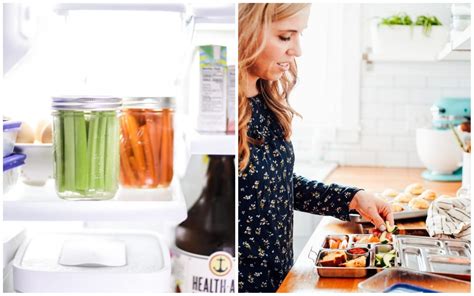
Instead of full meals, try prepping individual components: cooked grains (quinoa, brown rice), roasted vegetables, and cooked proteins (chicken, fish, tofu). This allows you to mix and match throughout the week, creating different meals from the same base ingredients, preventing flavor fatigue.
Invest in Quality Containers
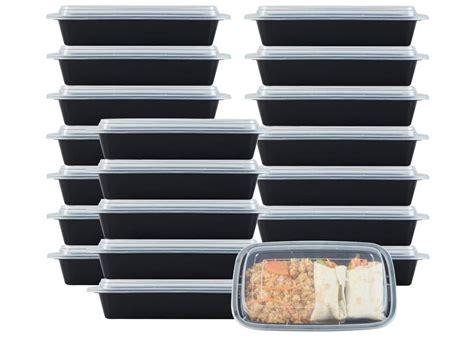
Good quality, compartmentalized meal prep containers can make a huge difference. They help keep components separate, maintaining freshness and making aesthetic arrangement easier. Glass containers are excellent for reheating and are non-reactive, preserving flavors.
Batch Cook Staples
Dedicate a few hours on a weekend to batch cook staples like a large batch of roasted sweet potatoes, a pot of brown rice, or a tray of seasoned chicken breasts. These form the building blocks for countless delicious and visually appealing meals.
Putting It All Together: Your Stunning Weekly Menu
Imagine a colorful Buddha bowl with perfectly roasted sweet potatoes, vibrant massaged kale, protein-rich chickpeas, a sprinkle of toasted pumpkin seeds, and a drizzle of homemade lemon-tahini dressing. Or a vibrant salmon salad with crisp greens, cherry tomatoes, cucumber ribbons, and fresh dill. These aren’t just healthy; they’re an experience.
By focusing on fresh, colorful ingredients, varied textures, thoughtful seasoning, and smart presentation techniques, you can transform your healthy meal prep into visually stunning and utterly delicious creations. It’s an investment in your health, your taste buds, and your overall well-being, especially during the hustle of busy weeknights.
Conclusion
Healthy meal prep doesn’t have to be a chore or a sacrifice of flavor and aesthetics. By applying a few simple yet effective strategies, you can create meals that not only nourish your body but also delight your senses. Embrace the rainbow, play with textures, season boldly, and present thoughtfully. Your future self on a busy weeknight will thank you for the beautiful, delicious, and healthful meal waiting in the fridge.