



What Visual Bite technique best inspires real foodies to click-through for recipes?
The Irresistible Allure of Visual Bites for Foodies
In the bustling digital culinary landscape, a mere glance can be the difference between a forgotten scroll and a coveted click. For real foodies, those passionate enthusiasts who live to explore and create in the kitchen, a ‘Visual Bite’ is far more than just a pretty picture. It’s an invitation, a promise, and a taste of the experience awaiting them. Understanding what truly resonates with this discerning audience is key to converting casual browsers into eager recipe followers.
The power of a compelling food image lies in its ability to transcend the screen, evoking senses of smell, taste, and texture. It’s about triggering hunger, curiosity, and the desire to recreate that culinary magic. But with countless dishes vying for attention, which techniques cut through the noise and best inspire that crucial click-through?
Authenticity and Storytelling: The Heart of a Foodie’s Desire
Real foodies crave more than just a perfectly plated dish; they seek authenticity and a story. They want to know the journey of the ingredients, the process, and the passion behind the creation. Visual Bites that tell a story, even subtly, often outperform generic, overly polished images. This could be a sprinkle of flour on a counter, a hand reaching for a fresh herb, or the natural imperfections of a home-cooked meal.
Beyond aesthetics, a successful Visual Bite evokes emotion. It might remind them of a comforting childhood meal, inspire them to try a new global cuisine, or simply make their stomach rumble in anticipation. The technique isn’t just about the camera settings; it’s about connecting on a deeper, more visceral level.
Key Visual Bite Techniques That Convert
1. The Macro Shot: Detail and Texture
Nothing says “eat me” quite like a high-resolution macro shot. By focusing tightly on a specific element—the glistening char on a roasted vegetable, the delicate crumb of a cake, the oozing cheese from a sandwich—you highlight texture and detail that foodies obsess over. This technique makes the food feel tangible and immediate, creating an intense desire to experience it firsthand.
2. The Action Shot: Process and Engagement
Capturing food in motion or during its preparation is incredibly engaging. A hand drizzling sauce, a knife slicing through a perfectly cooked steak, steam rising from a fresh-baked pie, or ingredients being mixed. These “in-process” shots not only add dynamism but also give foodies a glimpse into the recipe’s journey, making it feel achievable and exciting to replicate.

3. Overhead & Flat Lay: Composition and Context
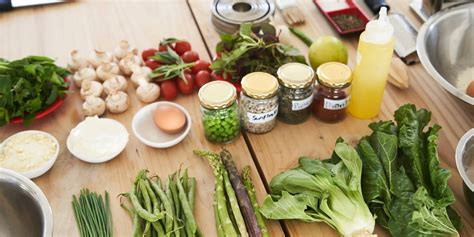
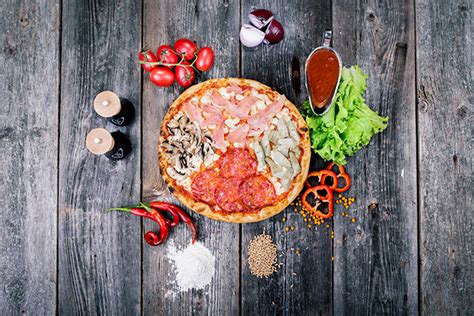
The overhead shot, or flat lay, provides a comprehensive view of the dish and its accompanying elements (ingredients, cutlery, condiments). This technique is excellent for showcasing the full spectrum of a meal, its components, and the overall aesthetic, appealing to foodies who appreciate composition and the holistic culinary experience. It provides context and often inspires a sense of aspiration.
4. Lifestyle & Experience Shots: Aspiration and Connection
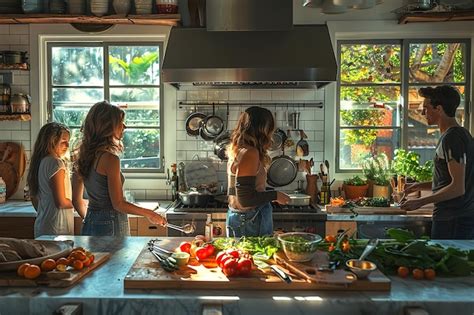
Showing people enjoying the food, perhaps gathered around a table, sharing a laugh, or simply savoring a bite, can be incredibly powerful. These lifestyle shots connect the food to an experience, tapping into the foodie’s desire for connection, celebration, and the joy of sharing good food. It’s less about the technicality of the dish and more about the feeling it evokes.
Understanding the Foodie’s Click-Through Psychology
Real foodies are often driven by inspiration, education, and the pursuit of culinary excellence. When they see a Visual Bite, their minds are quickly calculating: “Can I make this?” “Is this something new and exciting?” “Will this taste as good as it looks?” Therefore, the best Visual Bite techniques not only make food look delicious but also imply ease, novelty, or a satisfying reward.
Clear, bright, and well-composed images are foundational. However, going beyond mere aesthetics to convey a sense of narrative, a hint of flavor, or the simple joy of cooking and eating is what truly motivates the click. High-quality lighting that highlights textures and natural colors is paramount. Over-edited or artificial-looking images can be a significant turn-off for a sophisticated foodie.
The Ultimate Technique: Sensory Provocation
Ultimately, the Visual Bite technique that best inspires real foodies to click-through for recipes is one that maximally provokes their senses. This involves a combination of the above: a macro shot that emphasizes texture and juiciness, an action shot that hints at the aroma, and a lifestyle shot that promises the delight of consumption. It’s about creating a multisensory illusion on a two-dimensional screen.
Focus on capturing the moment of deliciousness. Is it the steam rising from a hot dish, the perfect golden crust, the vibrant burst of fresh ingredients? These sensory triggers are universal and powerfully compel foodies to explore further. Experiment, test, and observe what truly resonates with your audience, continually refining your Visual Bite strategy to captivate and convert the most discerning palates.