




How do Visual Bites clearly convey recipe steps without sound?

The Silent Revolution in Recipe Sharing
In an increasingly fast-paced digital world, content consumption habits are constantly evolving. One of the most significant shifts has been the rise of silent video content, particularly in the realm of culinary instruction. “Visual Bites” – short, dynamic recipe videos designed to be understood without sound – have become incredibly popular, dominating social media feeds and inspiring home cooks worldwide. But how do these visual-first creations manage to convey complex cooking steps with such clarity, all while the mute button is firmly pressed?
The magic lies in a meticulous blend of visual storytelling, strategic editing, and intelligent design choices that prioritize immediate comprehension. Unlike traditional cooking shows that rely heavily on narration and dialogue, visual bites force creators to think purely in terms of what the viewer sees.

Core Principles of Silent Recipe Communication
At the heart of every successful silent recipe video are several foundational principles:
- Clear, Concise Visuals: Every frame must serve a purpose, showcasing ingredients, actions, and transformations with utmost clarity. Blurry shots or cluttered backgrounds are immediate distractions.
- On-Screen Text Overlays: This is arguably the most critical element. Text overlays provide crucial information such as ingredient names, measurements, temperatures, timings, and specific instructions that cannot be conveyed visually alone. They act as the “voice” of the recipe.
- Strategic Camera Angles: Close-ups are paramount. Viewers need to see exactly what’s happening – the texture of a batter, the precise cut of a knife, or the sizzle in a pan. Overhead shots are excellent for demonstrating ingredient organization and overall progression.
- Fast-Paced, Intentional Editing: Visual bites are often characterized by their rapid tempo. Time-lapses, quick cuts, and seamless transitions keep the viewer engaged and prevent boredom, while ensuring the essence of each step is captured efficiently.

Techniques for Unambiguous Instruction
Beyond the core principles, specific techniques are employed to ensure every step is crystal clear:
1. Visual Demonstration Over Implied Action: Instead of simply showing ingredients, the video actively demonstrates each action: pouring, stirring, chopping, folding, baking. The “how-to” is shown, not just the “what.” This involves:
- Ingredient Preparation: Ingredients are often pre-portioned and laid out clearly, sometimes with labels, making it easy to follow along.
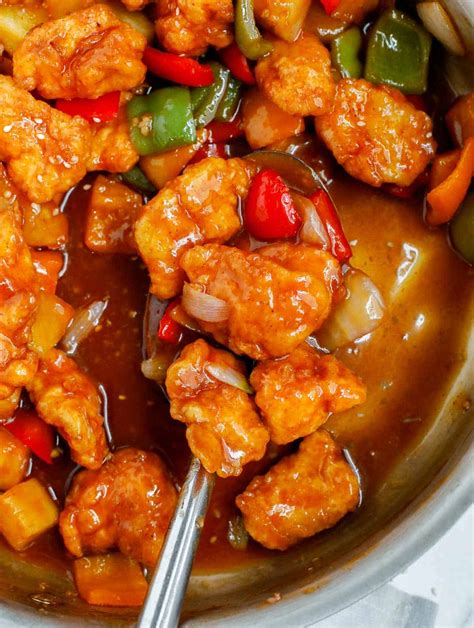
- Process Visualization: From dough kneading to sauce simmering, the key stages of transformation are highlighted visually. Color changes, texture developments, and rising are all emphasized.

2. Pacing and Flow: The video’s rhythm is carefully controlled. While fast, there are often brief pauses at critical moments (e.g., after adding a key ingredient, or before a major transition) to allow the viewer’s brain to process the information. A logical sequence of events, mirroring a traditional recipe card, is strictly adhered to.
3. Use of Visual Cues: Subtle non-verbal cues help guide the viewer. For instance, an arrow might point to an oven temperature dial, or ingredients might be shown appearing in the correct order. The final dish is always presented beautifully, offering a clear objective and motivation.
The Benefits of a Soundless Approach
The popularity of visual bites isn’t just a trend; it’s a testament to their inherent advantages. They are incredibly accessible, allowing people to follow recipes in public spaces, late at night without disturbing others, or for those with hearing impairments. They transcend language barriers to a large extent, as visual actions are universal. Furthermore, their conciseness makes them perfect for busy individuals seeking quick inspiration.
Ultimately, the success of visual bites in conveying recipe steps without sound lies in a disciplined approach to visual communication. By meticulously planning every shot, leveraging clear text, and employing intelligent editing, creators transform cooking instructions into an engaging, universally understood visual narrative. It’s a powerful reminder that sometimes, the most effective messages are delivered in silence.