



How do real foodies visually plan healthy weeknight meals to save time and reduce waste?

Weeknights often present a culinary challenge: how to whip up nutritious meals without spending hours in the kitchen, all while ensuring no precious ingredients go to waste. For seasoned home cooks and self-proclaimed foodies, the secret often lies in a powerful, yet often overlooked technique: visual meal planning. This approach transforms the daunting task of meal prep into an intuitive, efficient, and even enjoyable process.
Embracing the Visual: Why It Works for Foodies
Unlike simply writing a list, visual meal planning engages different parts of your brain. It allows you to “see” your week’s meals, ingredients, and even potential leftovers before you even step into the grocery store. This holistic view helps identify overlaps in ingredients, ensures a balanced diet, and significantly reduces impulse purchases and forgotten items in the fridge.
For those passionate about food, it’s not just about efficiency; it’s about creativity and making the most of every flavor and texture. Visualizing the week’s culinary journey can inspire new dishes, integrate seasonal produce more effectively, and ensure a variety that keeps the palate excited.
![Meal Planning: A Beginner’s Guide [INFOGRAPHIC] - Tri-City Medical Center](/images/aHR0cHM6Ly90czIuZXhwbGljaXQuYmluZy5uZXQvdGg/aWQ9T0lQLmIyNHBtNnY3WHktUXVkcnF5aWVCTUFIYUU2JnBpZD0xNS4x.webp)
Tools and Tactics for the Savvy Visual Planner
Visual planning isn’t a one-size-fits-all concept. Real foodies adapt tools to their personal style. Some prefer old-school methods: a large whiteboard or chalkboard in the kitchen, where meals are sketched out day-to-day, often with notes on key ingredients. Others leverage digital tools, from specialized meal planning apps with drag-and-drop features to simple spreadsheets color-coded by food group or meal type.
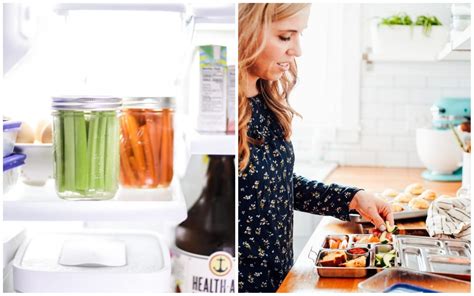
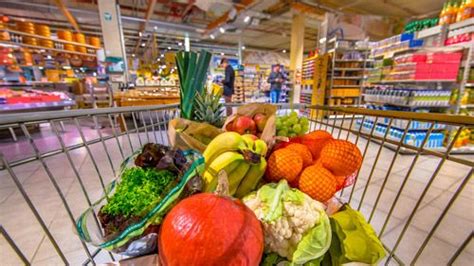
Another powerful tactic is the “pantry and fridge inventory” walkthrough. Before planning, a visual scan of existing ingredients sparks ideas and prioritizes their use, directly combatting waste. Pairing this with a digital photo album of go-to recipes can create a robust visual library to draw upon.
Crafting Your Visually Driven Weekly Menu
Start by blocking out your week. Consider your schedule: are there nights you’ll be home late? Those are ideal for quick meals or planned leftovers. Dedicate one block for “theme nights” (Meatless Monday, Taco Tuesday, etc.) to simplify choices. Then, think about main components: protein, vegetable, grain. Use sticky notes, a digital board, or a physical planner to arrange and rearrange these elements. This fluid process allows for easy adjustments if, for example, a local market has a special on certain produce.
Don’t forget the “flex space” – a buffer for unexpected changes or the craving for something spontaneous. A visually organized pantry and fridge, where ingredients are clearly visible and accessible, is an extension of this planning, ensuring you can quickly grab what you need without a frantic search.
From Vision to Victory: Reducing Waste and Saving Time
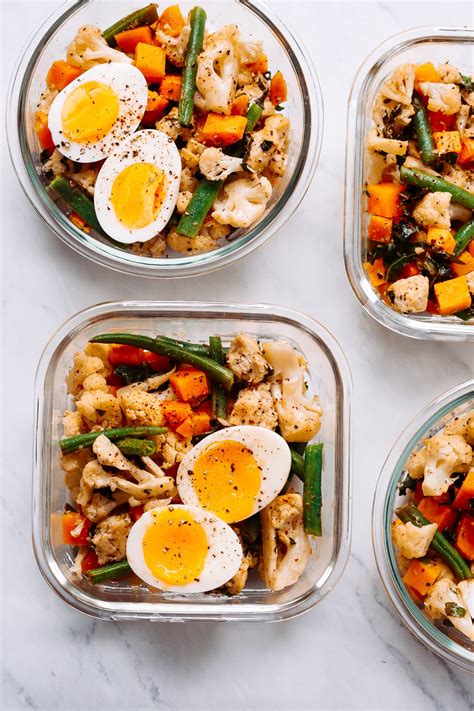
The beauty of visual planning is its direct impact on time and waste. When you can literally “see” that a head of broccoli is earmarked for both Monday’s stir-fry and Wednesday’s pasta, you buy precisely what you need. This cuts down on forgotten, spoiled produce and eliminates the frantic last-minute grocery runs.
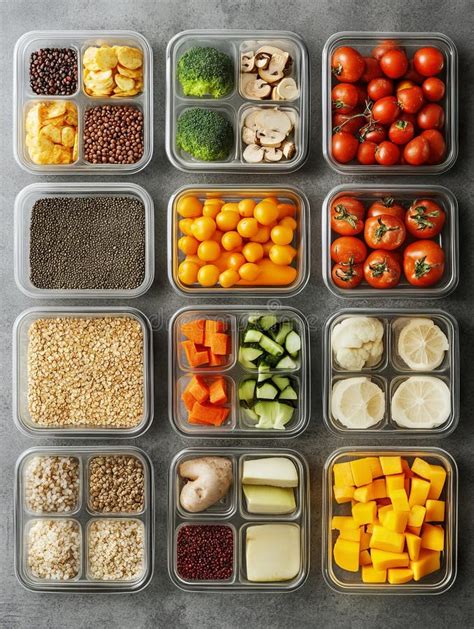
Batch cooking certain components – grains, roasted vegetables, or proteins – also becomes easier to integrate into a visual plan. You see where these components can be reused across different meals, maximizing efficiency and minimizing active cooking time each night. The clarity of a visual plan reduces decision fatigue, making healthy eating a default rather than an effort.

Sustaining the Strategy: Adapting for Long-Term Success
Visual meal planning isn’t a rigid system; it’s a dynamic framework. Regularly review what worked and what didn’t. Did you enjoy the variety? Were there too many similar ingredients? Real foodies are constantly refining their approach, incorporating new recipes, seasonal ingredients, and even experimenting with different visual layouts. The goal is to create a sustainable system that supports both your healthy eating goals and your love for delicious, home-cooked food.
Conclusion
By visually mapping out healthy weeknight meals, foodies transform a potential source of stress into an opportunity for creativity, efficiency, and mindful consumption. This powerful technique not only saves precious time and significantly reduces food waste but also fosters a deeper connection with the food we eat, making healthy living both achievable and enjoyable.