




How do real foodies visually vet authentic local eats, avoiding traps?

The quest for authentic local cuisine is a pilgrimage for many food enthusiasts. Yet, in bustling cities and charming towns alike, a minefield of tourist traps lies in wait, ready to disappoint with overpriced, inauthentic fare. How then do true foodies, armed with nothing but their keen eyes and seasoned instincts, manage to sniff out the genuine gems from the cleverly disguised duds? It’s a visual art, a silent language understood through subtle cues.
Observing the Clientele: The Local Litmus Test
The most immediate and telling sign of an authentic eatery is its patronage. Real foodies scan the crowd not just for numbers, but for demographics. Are the tables filled with chattering locals – families, elderly couples, workers on their lunch break – or predominantly fellow tourists clutching guidebooks? A restaurant buzzing with the local dialect and serving dishes that look like everyday meals for the community is a strong indicator of authenticity. Locals are discerning; they won’t consistently frequent a place that doesn’t deliver on taste and value.
The Menu’s Tale: Simplicity and Specificity
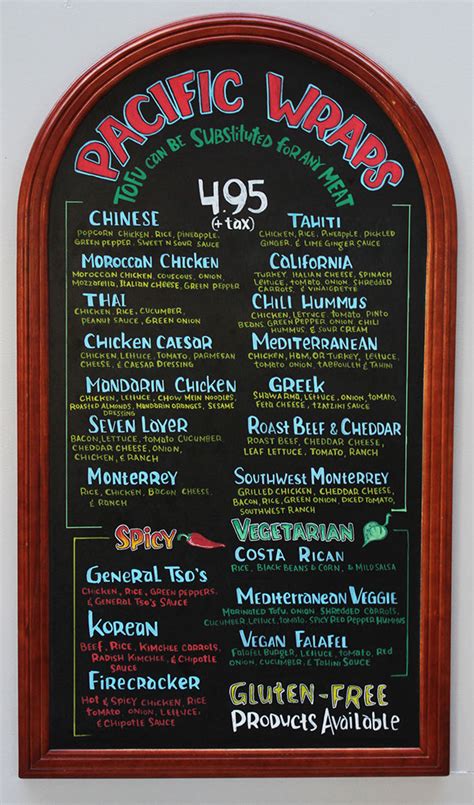
Next, cast an eye over the menu. Authentic local establishments often boast smaller, more focused menus that highlight regional specialties rather than an extensive, generic “international” selection. Look for menus written primarily in the local language, perhaps with a basic translation, rather than glossy, multi-page affairs solely in English or other common tourist languages. Prices that seem overly inflated for simple dishes, or pictures of food that look too perfect and generic, can also be red flags.
A true local spot will often have daily specials or seasonal dishes that reflect the freshest available ingredients, signaling a connection to local producers and culinary traditions. Beware of places advertising “authentic [cuisine type]” too loudly; authenticity often speaks for itself through the food and the atmosphere, not through bold claims on a signboard.
Ambience and Atmosphere: Beyond the Facade
Authenticity isn’t about sterile perfection or opulent decor. Many of the best local eateries are humble, even a little worn, but radiate a genuine warmth and character. Observe the general cleanliness – not necessarily spotless, but well-maintained. Is the kitchen visible, even partially? A glimpse of cooks at work, the sizzle of a wok, or the aroma of spices wafting out can be incredibly reassuring. Look for decor that feels organically local, perhaps displaying community art or old photographs, rather than generic cultural clichés bought from a souvenir shop.

Food Presentation: Honesty Over Pizazz
When the food arrives at other tables, take a quick peek. Authentic local dishes often prioritize flavor and substance over elaborate, fine-dining presentation. Expect hearty portions, ingredients that look fresh and recognizable, and preparations that reflect traditional methods. Dishes should look like they’re meant to be eaten, not just admired. Artificial colors, overly intricate garnishes that don’t complement the dish, or a complete lack of regional identity in the plating can suggest a catering to tourist expectations rather than culinary heritage.
Location, Location, Location: Off the Beaten Path
Finally, consider the restaurant’s location. While some excellent local spots can be found in popular areas, many truly authentic places are tucked away on a side street, down an alley, or in a residential neighborhood a few blocks from the main tourist drag. These locations often thrive on repeat local business rather than transient visitors. Observe the surroundings – are there markets nearby, local businesses, or public transport hubs where people live and work? These are often fertile grounds for genuine culinary discoveries.

Mastering the art of visually vetting local eats is about more than just finding a meal; it’s about uncovering the soul of a place through its food. By paying attention to the patrons, the menu’s honesty, the genuine atmosphere, the unpretentious food presentation, and the strategic location, real foodies can consistently bypass the traps and dive deep into the rich, authentic flavors of any destination.