




Best ways to find visually stunning, authentic local food for your feed?

Hunting for Culinary Gold: Beyond the Tourist Traps
In an age where every meal can be a potential viral moment, the quest for visually stunning and genuinely authentic local food has become a core part of the travel experience. It’s not just about eating; it’s about discovering the heart of a culture through its cuisine and sharing that beauty with your followers. But how do you sift through endless options to find those hidden gems that will make both your taste buds and your feed sing? It starts with a blend of meticulous research and adventurous on-the-ground exploration.
The Art of Pre-Trip Research and Digital Scouting
Before you even pack your bags, the digital world is your oyster. Start by diving deep into social media platforms. Instagram hashtags like #localfood[cityname], #[cityname]eats, and even broader terms like #streetfoodadventures can lead you to stunning visuals shared by locals and fellow food enthusiasts. TikTok is also emerging as a powerful tool for short, engaging food recommendations, often highlighting eateries not found in traditional guidebooks.
Beyond social media, seek out local food blogs, culinary travel forums, and specialty guides. Look for bloggers who live in the area or who are known for deep dives into local food scenes. These resources often provide context, history, and specific dish recommendations that go beyond surface-level suggestions. Pay attention to geo-tagged posts and look for consistency in recommendations across multiple sources – that’s often a sign of true local appeal.
On-the-Ground Discovery: Asking, Looking, and Venturing
Once you’ve arrived, put your detective hat on. The best way to find authentic food is often through the people who know it best: the locals. Don’t be shy to ask your hotel staff, taxi drivers, shopkeepers, or even fellow diners for their favorite spots. Their recommendations often lead to establishments that are off the main tourist radar, serving food that’s tried and true.
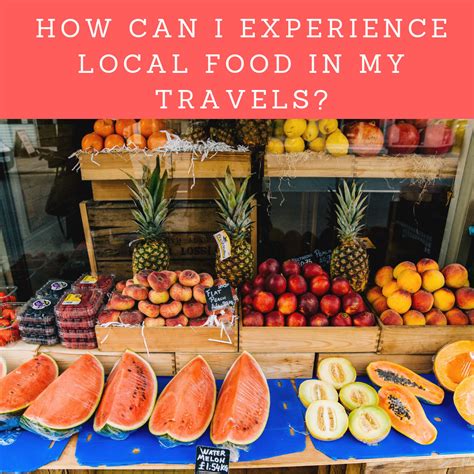
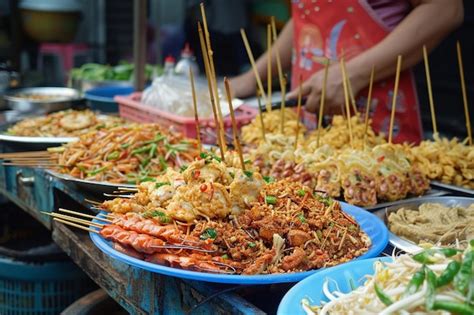
Markets and street food stalls are goldmines for both authenticity and visual appeal. Wander through bustling food markets, observing what locals are buying and where the longest queues are forming. A line of locals is usually a strong indicator of deliciousness. Don’t be afraid to try small portions from various vendors to sample a wide array of dishes.
Furthermore, actively seek out neighborhoods slightly away from the main tourist attractions. These areas often harbor family-run restaurants and traditional eateries that have been serving the community for generations, preserving recipes and culinary techniques that define local authenticity.

Identifying Authenticity and Capturing Visual Splendor
Authenticity isn’t just about taste; it’s about the entire experience. Look for places that use local, seasonal ingredients, traditional cooking methods, and recipes passed down through generations. Often, the most authentic spots are humble, unpretentious, and full of character, reflecting the true culinary spirit of the region.
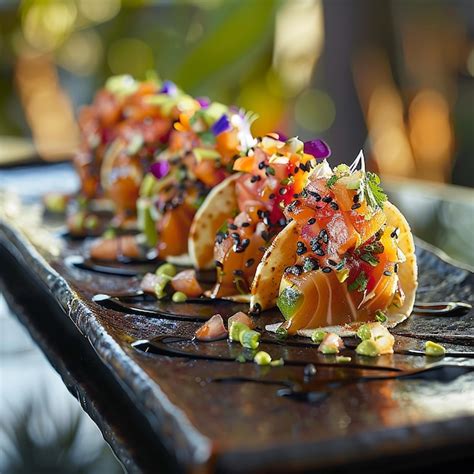
For visual appeal, pay attention to the food’s natural beauty. Is it colorful? Does it have interesting textures? How is it plated? Natural light is your best friend for food photography. Position your dish near a window or outdoors, and avoid harsh overhead lighting. Experiment with different angles – a top-down shot can showcase an entire spread, while a closer eye-level shot can highlight specific ingredients and textures.
Mastering Your Food Photography for Social Media
Once you’ve found your culinary masterpiece, the next step is to capture it in a way that truly pops on your feed. Beyond natural light, focus on composition. Use the rule of thirds, leading lines, and interesting foregrounds or backgrounds to create depth and visual interest. Don’t be afraid to include elements of the local environment – a traditional plate, a unique tablecloth, or even the bustling street scene outside – to add context and tell a richer story.
Keep your editing subtle. The goal is to enhance the natural colors and textures of the food, not to transform it into something it’s not. A slight boost in contrast, a touch of saturation, and perhaps a crop to refine the composition are usually all that’s needed to make your authentic dish shine.

Engaging with the Local Culinary Scene and Sharing Responsibly
Beyond the photo, remember the human connection. Learn a few basic phrases in the local language to show respect and gratitude. Engage with the vendors, chefs, and restaurateurs; they often have incredible stories behind their food. This interaction not only enriches your experience but also adds depth to the content you share.
When posting, always consider crediting the establishment and using relevant hashtags to help others discover these amazing places. By promoting local businesses, you contribute to sustainable tourism and help preserve the very authenticity you seek. The ultimate reward isn’t just a stunning photo, but a genuine connection to the local culture through its food, creating memories that last long after the likes fade.