



What photo composition boosts Visual Bites engagement for foodies?
The Art of Engaging Food Photography
In the vibrant world of Visual Bites, where every dish tells a story, a stunning photograph is your most potent tool for capturing attention. It’s not just about snapping a picture; it’s about crafting an image that makes viewers crave what’s on their screen. The secret lies in mastering photo composition – the art of arranging visual elements within your frame. For foodies, understanding these techniques can transform a good shot into an irresistible feast for the eyes, significantly boosting engagement on your Visual Bites profile.

The Rule of Thirds: Your Culinary Canvas
The timeless Rule of Thirds is perhaps the most fundamental composition guideline. Imagine your image divided into nine equal sections by two equally spaced horizontal and two equally spaced vertical lines. Instead of centering your food, place key elements along these lines or at their intersections. This creates a more dynamic and visually appealing image than a perfectly centered shot, guiding the viewer’s eye naturally through the frame. Experiment with placing your main dish slightly off-center, or positioning a garnish on one of the intersection points.
Depth of Field: Focus on Flavor
Depth of field refers to the range of distance in your photo that appears acceptably sharp. For food photography, a shallow depth of field (where the background is blurred, often called ‘bokeh’) is incredibly effective. It isolates your delicious subject, making it pop off the screen and drawing all attention to its intricate details and textures. Conversely, a deeper depth of field can be used to show more of the surrounding context – perhaps a beautiful table setting or a bustling restaurant atmosphere – adding layers to your narrative. Choose wisely based on whether you want to highlight the dish itself or its environment.
Leading Lines and Shapes: Guiding the Gaze
Utilize leading lines and strong shapes to draw your viewer’s eye directly to your focal point. These can be actual lines created by cutlery, placemats, napkins, or even the natural curves of the dish itself. A perfectly placed fork leading towards a gourmet burger, or a stack of pancakes creating a geometric shape, can add structure and direction to your photo. Bowls, plates, and glasses often provide natural circular or rectangular shapes that can be used to frame or emphasize your food. Think about how these elements can create a visual pathway to the star of your shot.
Negative Space: Less is Often More
Negative space isn’t empty space; it’s the area around and between your subject. When used effectively, negative space provides breathing room for your food, preventing the image from feeling cluttered and allowing the main dish to truly shine. A minimalist approach with plenty of clean background space can create a sophisticated and elegant feel, making your food appear even more prominent and desirable. It helps simplify the composition, focusing the viewer’s attention and often enhancing the overall aesthetic appeal.

Color and Texture: A Feast for the Eyes
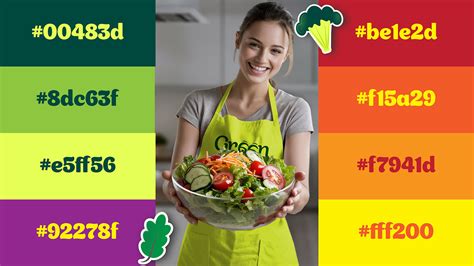
While not strictly a composition rule, the interplay of color and texture heavily influences how appealing your food photo is. Compose your shots to highlight vibrant colors, contrasting hues, and enticing textures. A rustic bread next to smooth butter, or the crisp edges of a fried chicken against a creamy sauce – these textural differences add depth and sensory appeal. Use garnishes not just for flavor, but for a splash of complementary color that makes the dish pop. Consider the overall color palette and how it contributes to the mood and attractiveness of your photo.

Plate Up Your Best Shots
Mastering these composition techniques will undoubtedly elevate your food photography game on Visual Bites. Remember, practice is key! Experiment with different angles, lighting, and arrangements. Don’t be afraid to break a few ‘rules’ once you understand them, to develop your unique style. By thoughtfully composing your food shots, you’ll not only create more beautiful images but also foster greater engagement, making your culinary creations truly unforgettable for fellow food enthusiasts. So, next time you’re about to snap a picture, take a moment to compose, and watch your Visual Bites engagement soar!