



Which Visual Bite CTA performs best for recipe conversions?
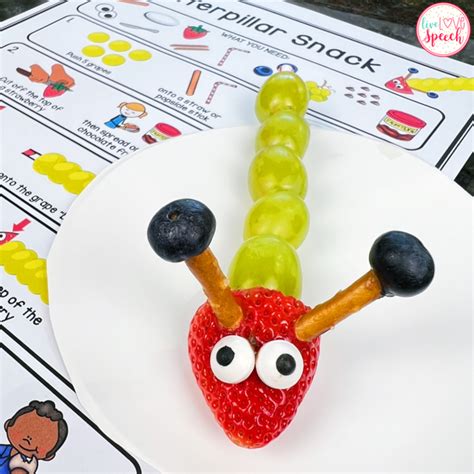
In the fast-paced world of digital content, visual bites — short, engaging pieces of visual information — have become a cornerstone for capturing audience attention. Especially within the culinary niche, these enticing snippets, often featuring mouth-watering food photography or quick recipe videos, are designed to pique interest. But how do you convert that fleeting interest into a tangible action, like viewing a full recipe? The answer lies in the effectiveness of your Call-to-Action (CTA).
Understanding Visual Bites and CTAs
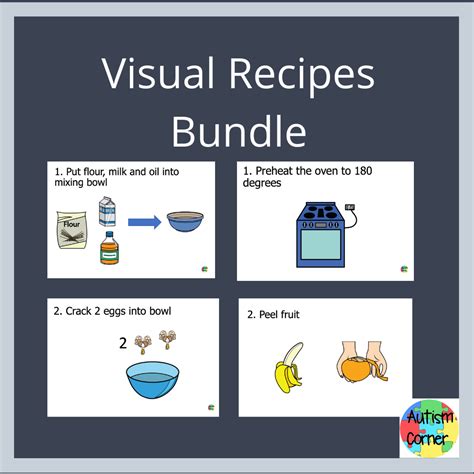
Visual bites are designed for quick consumption. They could be Instagram carousels, Pinterest pins, short TikTok videos, or even hero images on a blog post. Their primary goal is to provide a glimpse, a taste, of something more comprehensive. For recipe content, this means showcasing the delicious outcome or a key step, without giving away all the details. This is where the CTA becomes crucial.
A CTA is the prompt that tells your audience what to do next. Without a clear and compelling CTA, even the most captivating visual bite can fail to drive desired actions, leaving potential conversions on the table. For recipe creators and food marketers, optimizing these CTAs is paramount for measuring engagement and, ultimately, growing their audience and influence.
Common CTA Types for Recipe Conversions
When it comes to guiding users from a visual bite to a full recipe, several CTA variations are commonly employed. Each has its nuances and can resonate differently depending on the audience and the content itself.
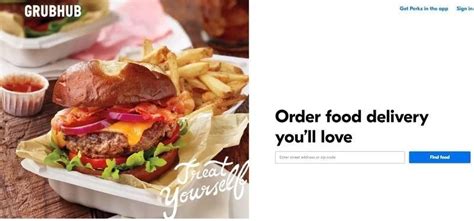
- “View Recipe” / “Get the Full Recipe”: These are perhaps the most straightforward and direct CTAs. They clearly communicate the immediate next step, managing user expectations effectively.
- “Cook This Now” / “Start Cooking”: These action-oriented CTAs instill a sense of urgency and directness. They work particularly well when the visual bite itself inspires immediate culinary action.
- “Save Recipe” / “Add to Cookbook”: Focusing on user utility, these CTAs appeal to those who might not be ready to cook immediately but want to bookmark the recipe for later. They build engagement and loyalty over time.
- “Watch Tutorial”: If your visual bite is a teaser for a video tutorial, this CTA guides users directly to the instructional content.
- “Learn More”: While less specific, “Learn More” can be effective for more complex recipes or when paired with educational content, allowing users to dive deeper into techniques or ingredients.
Factors Influencing CTA Performance
The success of a CTA isn’t just about the words used; a multitude of factors play into its effectiveness:
- Placement: Where the CTA appears within the visual bite (e.g., in the caption, on the visual itself, at the end of a video) significantly impacts visibility and click-through rates.
- Design: The visual appeal of the CTA button or link—its color, size, shape, and font—can dramatically affect its prominence and attractiveness.
- Copy Clarity and Urgency: The language should be unambiguous, concise, and ideally, create a mild sense of urgency or benefit.
- Context and Audience Intent: A CTA that works for a quick weeknight meal might not be as effective for a gourmet baking recipe. Understanding your audience’s mindset is key.
- Mobile Optimization: Given that most visual bites are consumed on mobile devices, CTAs must be easily tappable and readable on smaller screens.

Best Practices for A/B Testing CTAs
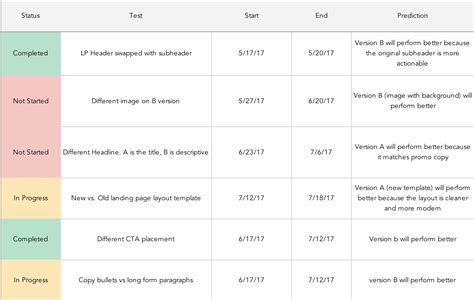
To truly determine which CTA performs best, A/B testing is indispensable. This systematic approach allows you to compare the performance of different CTA variations under controlled conditions.
- Isolate Variables: Test one element at a time (e.g., only the text, or only the color) to accurately attribute performance changes.
- Define Clear Conversion Goals: What constitutes a “conversion”? A click-through to the recipe page? Time spent on the recipe page? A save?
- Ensure Sufficient Sample Size: Run tests long enough and with enough traffic to achieve statistically significant results.
- Analyze Data Thoroughly: Look beyond just click-through rates. Consider bounce rates, time on page, and subsequent actions to understand the quality of the clicks.
Identifying the Top Performers
While definitive answers often come from specific A/B tests, general trends suggest that clear, direct, and benefit-oriented CTAs tend to outperform vague ones. For recipe conversions, “View Recipe” and “Get the Full Recipe” frequently emerge as top performers due to their explicit nature and direct alignment with user intent.
Action-oriented phrases like “Cook This Now” can also be highly effective, especially when paired with an incredibly enticing visual that fosters an immediate desire to try the dish. CTAs focused on saving or sharing, while not direct conversions to a recipe view, contribute significantly to long-term engagement and brand building.
Ultimately, the “best” CTA is not a one-size-fits-all solution. It’s a dynamic element that must be continuously tested, refined, and adapted based on content type, platform, audience demographics, and current marketing objectives.
By diligently testing different CTA types, monitoring their performance, and understanding the nuances of your audience, you can significantly enhance the conversion rates of your visual bites, turning casual viewers into enthusiastic home cooks ready to try your delicious creations.