



What Visual Bite length maximizes foodie recipe conversions on mobile?
In the fast-paced world of digital gastronomy, capturing the fleeting attention of mobile foodies is paramount. With smartphones becoming the primary device for recipe discovery, content creators and brands are constantly searching for the magic formula to turn passive viewers into active recipe users. The ‘Visual Bite’ – a concise, engaging video showcasing a recipe – has emerged as a powerful tool, but its effectiveness hinges significantly on one critical factor: length.
The Rise of Visual Bites in Food Content
Visual Bites capitalize on the human brain’s preference for visual information, especially in the context of food. These short-form videos condense complex cooking processes into easily digestible, aesthetically pleasing segments, perfectly suited for scrolling feeds. On mobile devices, where users are often multitasking or consuming content in short bursts, the appeal of a quick, visually rich culinary journey is undeniable.
Mobile’s dominance in recipe consumption has reshaped content strategy. Users expect instant gratification, seamless experiences, and content tailored to their on-the-go lifestyle. A Visual Bite, executed well, can provide a tantalizing glimpse that prompts further exploration, leading directly to a recipe conversion.
The Goldilocks Zone: Finding the Optimal Length
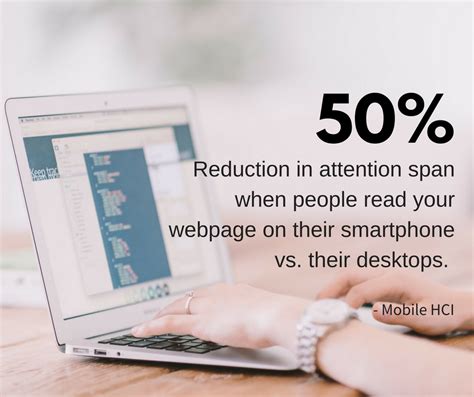
Determining the ‘just right’ length for a Visual Bite is a delicate balance. Too short, and you risk not conveying enough information or building sufficient intrigue. Too long, and you risk losing the viewer’s attention before they reach the crucial call to action. Research consistently shows that mobile attention spans are shorter, often demanding content that gets straight to the point.
Common Visual Bite lengths typically fall into categories: ultra-short (under 30 seconds), medium (30-60 seconds), and slightly longer (60-90 seconds). Each has its perceived advantages. Ultra-short videos excel at initial engagement and virality, medium lengths allow for more recipe detail, while longer formats can build a stronger narrative or demonstrate more complex steps without feeling rushed.
Factors Influencing Optimal Visual Bite Length
The ideal length isn’t universal; it’s heavily influenced by several variables:
- Recipe Complexity: A two-ingredient snack might only need a 15-second visual bite, whereas a multi-step gourmet dish could benefit from 60-90 seconds to show key techniques without overwhelming the viewer. The goal is to provide just enough visual information to spark interest and confidence, not to replace the full recipe.
- Audience Demographics & Platform: Younger audiences on platforms like TikTok and Instagram Reels generally prefer much shorter, punchier content. Older demographics on platforms like Facebook or Pinterest might tolerate slightly longer, more detailed snippets. Each platform’s native video player and user behavior patterns should inform your strategy.
- Call to Action (CTA) Clarity: Shorter videos necessitate an immediate and crystal-clear CTA, often overlaid on the video itself or prominently displayed in the caption. Longer videos have more time to subtly build anticipation towards the CTA.
Measuring Success: Beyond the View Count
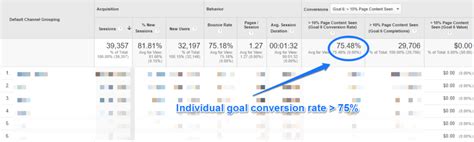
While views are a vanity metric, true success for Visual Bites is measured by conversion rates. Key metrics to track include:
- Click-Through Rate (CTR): How many viewers clicked from the Visual Bite to the full recipe page?
- Conversion Rate: Of those who clicked, how many actually saved, printed, or actively engaged with the recipe (e.g., added ingredients to a shopping list)?
- Engagement Rate: Likes, shares, comments – indicators of interest and resonance.
- Time Spent Viewing: For longer videos, this can indicate viewer retention.
A/B testing different Visual Bite lengths with identical recipes is crucial. Analyze which length consistently drives the highest conversions for specific types of content or target audiences. This data-driven approach removes guesswork and helps refine your content strategy.
Best Practices for Maximizing Mobile Recipe Conversions
Regardless of the chosen length, certain principles maximize a Visual Bite’s conversion potential:
- Hook Early: The first 3-5 seconds are critical. Grab attention immediately with tantalizing visuals or a compelling intro.
- Show, Don’t Tell: Visuals are paramount. Minimize lengthy narration or on-screen text, letting the food speak for itself. Use quick cuts and dynamic angles.
- Clear Call to Action: Ensure the path to the full recipe is unmistakable. Use strong verbal or on-screen CTAs.
- Optimize for Sound Off: A significant portion of mobile users watch videos with the sound off. Ensure your Visual Bite is comprehensible and appealing without audio, using captions or compelling visuals.
- Visual Consistency: Maintain a consistent aesthetic that aligns with your brand and appeals to your target foodie audience.
In conclusion, there’s no single magic number for Visual Bite length that guarantees maximal foodie recipe conversions on mobile. It’s a nuanced interplay of recipe complexity, platform, audience behavior, and robust measurement. By understanding these dynamics and committing to continuous testing and optimization, content creators can discover their sweet spot, turning fleeting mobile glances into enthusiastic culinary engagement and, ultimately, valuable recipe conversions.