



How to enhance fresh ingredient visuals in any home recipe?
Why Visual Appeal Matters in Home Cooking
In today’s visually driven world, a dish isn’t just about taste – it’s an experience that starts with the eyes. While professional chefs have an arsenal of tricks, you don’t need a culinary degree to make your home-cooked meals look as good as they taste. Enhancing the visual appeal of fresh ingredients can elevate your dining experience, making meals more appetizing and enjoyable for everyone at the table.
From vibrant salads to hearty stews, every ingredient has potential. This guide will walk you through practical, easy-to-implement tips to make your fresh ingredients pop, turning everyday recipes into photographic masterpieces.
Leverage Color and Contrast
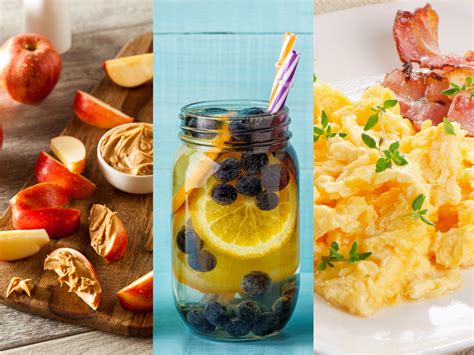
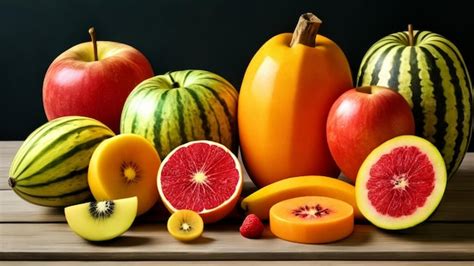
The most straightforward way to make ingredients visually appealing is to play with their natural colors. Think about the spectrum: bright reds of tomatoes, verdant greens of herbs, sunny yellows of citrus. A dish that incorporates a variety of colors is inherently more attractive. When planning your meals, consider not just the flavor profile but also the color palette.
Contrast is key. A monochromatic dish can be elegant, but often a pop of a contrasting color can make all the difference. For example, a sprinkle of fresh dill on a creamy potato soup, or a few vibrant blueberries on a plate of pancakes. Don’t be afraid to experiment with different hues to create a lively and inviting presentation.
Master Basic Knife Skills for Precision
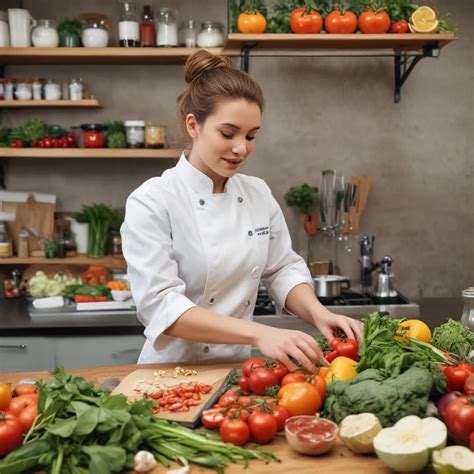
The way ingredients are cut significantly impacts their visual appeal. Uniformity in size and shape creates a sense of order and professionalism. Learning a few basic knife cuts – dicing, slicing, mincing, and julienning – can dramatically improve your plating.
For instance, evenly diced vegetables cook more consistently and look much tidier in a stir-fry or salad. Thinly sliced radishes or cucumbers can add delicate texture and pattern. Precision in cutting shows care and attention to detail, making even the simplest ingredients look more refined.
Thoughtful Plating and Arrangement
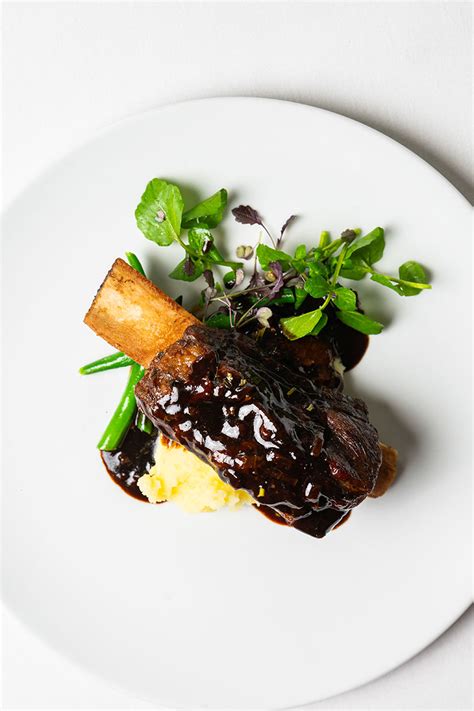
Plating is where the artistry comes in. Think of your plate as a canvas. Start by cleaning your plate edges – a simple wipe can make a huge difference. Consider the ‘rule of odds’ for arranging elements, often placing things in groups of three or five for a more dynamic look.
Create height and dimension by stacking or layering ingredients rather than spreading them flat. Place your main protein first, then build around it with sides, ensuring there’s a focal point. Don’t overcrowd the plate; leave some negative space to allow each component to breathe and be appreciated individually. A small drizzle of sauce or a sprinkle of herbs can tie everything together.
The Power of Garnishes
Garnishes are the jewelry of your dish. They add a final touch of freshness, color, and often an aromatic boost. Fresh herbs like parsley, cilantro, basil, or chives, finely chopped or as whole sprigs, are classic choices. A lemon or lime wedge not only adds color but also allows for a burst of fresh citrus flavor.
Consider edible flowers for a delicate touch, toasted nuts or seeds for texture, or a swirl of crème fraîche or a balsamic glaze for richness and visual interest. Remember, garnishes should complement the dish, not overwhelm it. Less is often more when it comes to adding these finishing touches.
Lighting and Presentation Beyond the Plate
Even the most perfectly plated dish can fall flat without good lighting. Natural light is your best friend when presenting food. Position your dish near a window, avoiding direct harsh sunlight, for soft, even illumination that highlights colors and textures. Avoid overhead artificial lighting, which can create unflattering shadows.
The backdrop and dinnerware also play a crucial role. Use clean, simple plates that let the food be the star. A plain white or neutral-colored plate works best. Consider a rustic wooden board or a simple tablecloth to create a pleasing backdrop. Remove clutter from around the plate to keep the focus entirely on your delicious creation.

Conclusion: Enjoy the Visual Journey
Enhancing the visuals of your home-cooked meals is an enjoyable extension of the cooking process. It’s about being mindful of the ingredients, thoughtful about their presentation, and taking pride in the food you create. By incorporating these simple techniques – focusing on color, precision, thoughtful plating, smart garnishes, and good lighting – you can transform your everyday recipes into culinary works of art that are as delightful to behold as they are to eat. Start experimenting today and watch your home cooking come alive!