



Best visual garnishing techniques to elevate simple recipes visually?
In the culinary world, we often eat with our eyes first. A dish that looks appealing can significantly enhance the dining experience, even if the recipe itself is simple. Elevating the visual appeal of your home-cooked meals doesn’t require complex techniques or expensive ingredients; often, it’s about thoughtful presentation and a few clever garnishing tricks. Let’s explore some of the best visual garnishing techniques that can transform ordinary dishes into extraordinary feasts for the eyes.
The Power of Fresh Herbs and Microgreens
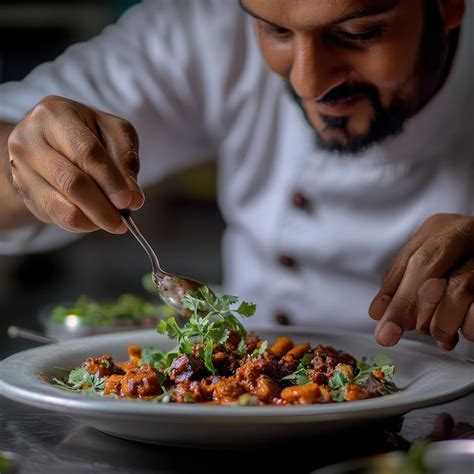
Perhaps the easiest and most effective way to add a burst of color and freshness to any dish is through fresh herbs. A sprig of vibrant parsley, a few delicate cilantro leaves, or a scatter of finely chopped chives can instantly uplift the appearance of soups, stews, pastas, and roasted vegetables. The key is to add them right before serving to maintain their bright color and crisp texture. Consider the herb that best complements your dish’s flavor profile; basil for Italian, mint for Middle Eastern, or dill for fish.
Beyond traditional herbs, microgreens offer an even more delicate and sophisticated touch. Their tiny leaves and vibrant colors can provide a beautiful contrast against heavier dishes, adding an element of gourmet finesse without overwhelming the plate. Sprinkle them over salads, main courses, or even appetizers for an immediate visual upgrade.
Strategic Use of Spices and Zests
Spices aren’t just for flavor; many can be used to add a vibrant pop of color to your finished dish. A light dusting of smoked paprika can add a warm, reddish hue to roasted chicken or potato salad, while a sprinkle of turmeric or curry powder can introduce a golden warmth. Chili flakes offer both color and a hint of heat, and a dash of ground sumac can provide a beautiful reddish-purple finish, especially on Mediterranean dishes.
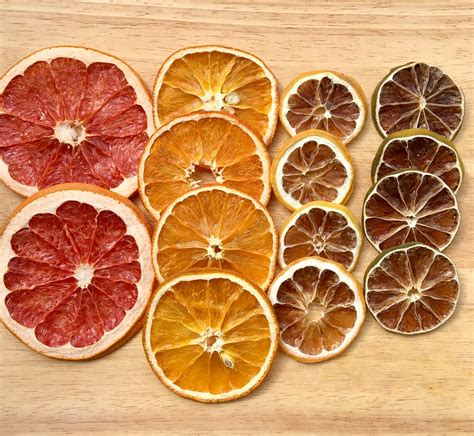
Similarly, citrus zests—from lemons, limes, or oranges—provide not only an aromatic lift but also a bright, contrasting color. Finely grated zest scattered over seafood, desserts, or even a plain bowl of rice can make the dish look significantly more vibrant and inviting.
Mastering Sauces and Drizzles
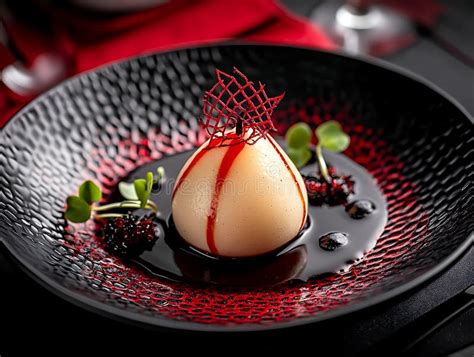
Sauces, purees, and glazes can be utilized as artistic elements on the plate. Instead of simply spooning sauce over your food, consider artful drizzles, swirls, or dots. A balsamic glaze can be drizzled elegantly over a caprese salad or roasted vegetables, while a vibrant pesto or a red pepper coulis can create stunning patterns around a protein or pasta dish. The contrast between the color of the sauce and the food it accompanies can be incredibly impactful.
Precision is key here; a squeeze bottle or a spoon can help you create intentional lines, circles, or abstract designs. Think about how the sauce can frame the main components of your dish or add a layer of visual interest to an otherwise monochromatic plate.
The Art of Plating and Arrangement
Before you even think about garnishes, the way you arrange the main components of your dish is crucial. Think about balance, height, and negative space. Avoid piling everything in the center; instead, consider the “rule of thirds” or arranging items in odd numbers. Stacking components can add height and dimension, making a dish appear more sophisticated.
Ensure your plate is clean and free of smudges. A simple wipe with a clean cloth can make a huge difference. Consider the color of your plate as well; a white plate often makes colors pop, while darker plates can add drama to lighter-colored foods. Even with simple recipes, thoughtful placement transforms them.
Adding Texture and Crunch
Texture is a vital component of both taste and visual appeal. Adding a contrasting texture can make a dish more exciting. Toasted nuts (like almonds or pine nuts), seeds (sesame, pumpkin), or homemade croutons can provide a delightful crunch and visual interest. Crispy fried onions or garlic chips sprinkled over a creamy soup or casserole add both texture and a gourmet touch.
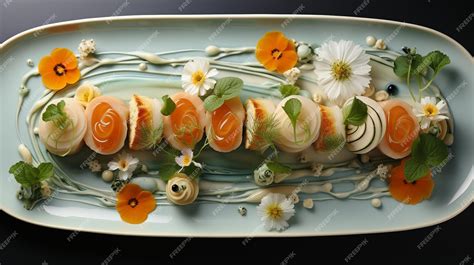
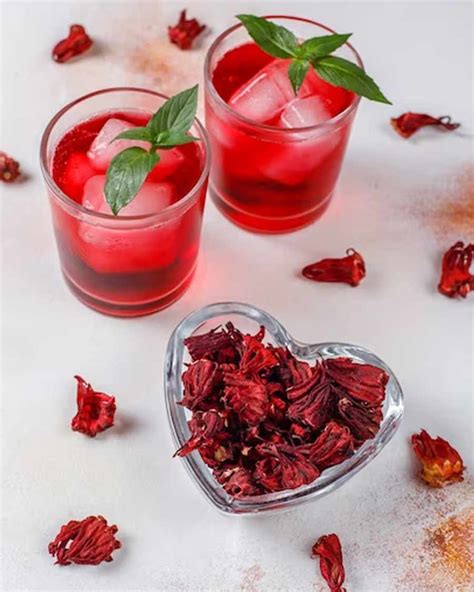
For an extra touch of elegance, consider edible flowers. Pansies, violets, nasturtiums, and borage flowers come in a stunning array of colors and can instantly elevate salads, desserts, or even cocktails, making them look incredibly delicate and high-end.
Mastering visual garnishing is a journey of creativity and experimentation. By incorporating fresh herbs, colorful spices, artful drizzles, thoughtful plating, and textural elements, you can transform even the simplest recipes into culinary masterpieces that are as delightful to behold as they are to eat. Start experimenting with these techniques, and watch your everyday meals become extraordinary.