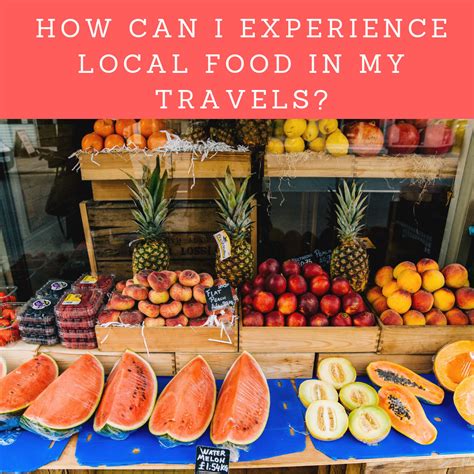





Visual scouting: How do real foodies find authentic local eats, not tourist traps?

The Hunt for the Honest Bite
For the true food enthusiast, travel isn’t just about sightseeing; it’s a gastronomic expedition. The ultimate prize? An authentic local meal, a dish that whispers tales of its culture and community. But in a world awash with glossy menus and ‘authentic’ promises, how do you sift through the tourist traps and unearth those hidden culinary gems? The answer lies in mastering the art of visual scouting.
The Art of Visual Scouting
Visual scouting is a subtle skill, honed by observation and intuition. It’s about looking beyond the flashy signs and Instagram hype, paying attention to the nuanced visual cues that signal genuine local flavor. It’s a detective mission where your eyes are your most powerful tools, helping you decipher the true character of an eatery before you even step inside.
Spotting the Locals
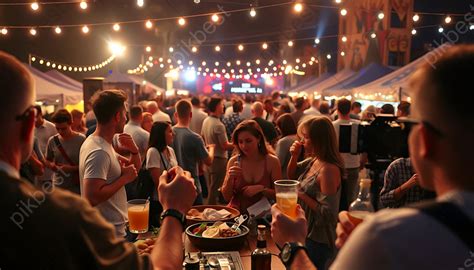
The clearest and most reliable indicator of authenticity is who’s eating there. If a restaurant is bustling with locals, especially during times that aren’t peak tourist hours, you’re likely onto something good. Look for families, workers on their lunch break, or groups of friends speaking the local language – these are your guides.
Conversely, a place filled exclusively with tourists, especially those poring over phrasebooks, is often a red flag. The true local experience often means blending in, not being catered to as an outsider. Pay attention to the demographics of the crowd; a diverse mix of ages, all seemingly comfortable and engaged with their food, is a positive sign.
Menu Mastery and Display Cues
The menu itself can tell a rich story. Authentic local eateries often feature menus primarily in the local language, with perhaps a very basic, hand-written translation if at all. Look for daily specials chalked on a board, indicating fresh, seasonal ingredients. Overly polished, multi-language menus with professional food photography are usually designed for ease of tourist ordering, not for showcasing local culinary tradition.
Beyond the menu, observe the food display. Is it artfully arranged for Instagram, or is it simply presented as fresh, wholesome, and ready to eat? In many local cultures, food is about substance and flavor, not elaborate presentation. Think street food stalls where ingredients are laid out raw and cooked to order, or humble eateries with steaming pots of unpretentious, aromatic dishes.
The Ambience and Aroma Test
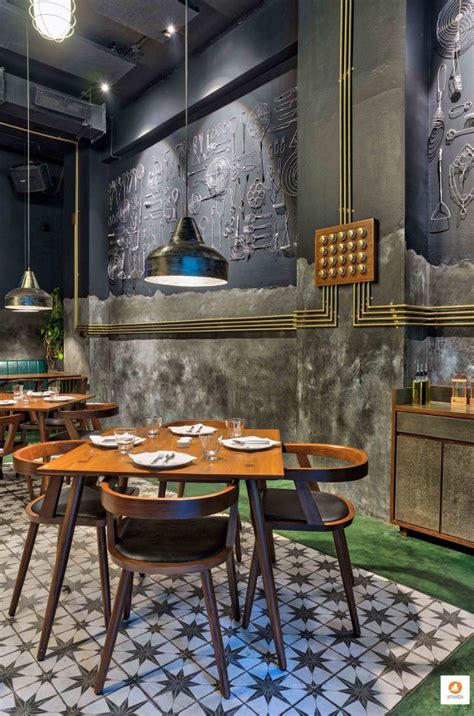
Walk by and take a deep breath. Does the aroma tantalize you with authentic local spices and cooking smells, or does it smell generic? The scent emanating from a truly local spot is often distinct and inviting. As for the ambience, unpretentious is often best. Look for well-worn furniture, simple decor, and signs of a long-standing establishment. These places have often earned their reputation through years of consistent quality, not through flashy renovations.
An overly modern, pristine, or themed decor might appeal to tourists, but it often signals a newer establishment focused on aesthetics rather than generational culinary heritage. The ‘lived-in’ look of a true local spot, complete with a few scuffs and faded paint, often tells a more genuine story than any carefully curated interior design.
Beyond the Obvious: Little Details That Matter
Sometimes, the smallest details reveal the most. An open kitchen where you can see the chefs at work, especially preparing dishes from scratch with fresh ingredients, is a huge plus. Observe the ingredients themselves; are they fresh, local, and in season? Another powerful cue is a queue – if locals are patiently waiting in line for a specific dish or at a particular time, it’s almost always worth the wait.
Also, look for specificity. Does the restaurant specialize in one or two regional dishes, or does it offer a sprawling menu of international options? Mastery of a few specific local specialties is often a hallmark of an authentic establishment, whereas a broad, generic menu can be a sign of a place trying to cater to all tastes, and mastering none.

Embrace the Hunt, Savor the Reward
Visual scouting is more than just finding food; it’s about engaging with the local culture on a deeper level. It transforms you from a mere consumer into an active explorer, making each authentic meal a hard-won victory. So next time you’re on a food adventure, sharpen your observational skills, trust your instincts, and embark on the rewarding quest for the truly local bite. The discoveries you make will be far more memorable than any postcard.