



Which Visual Bite elements most effectively boost foodie recipe clicks?
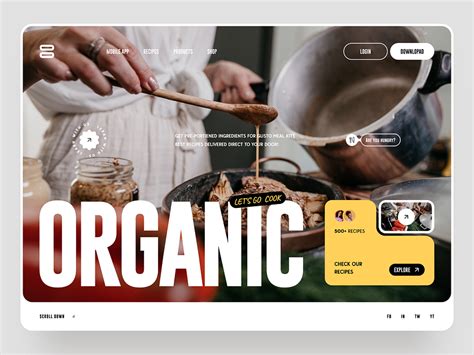
The Anatomy of an Irresistible Food Visual
In the vast, hungry world of online recipes, a picture truly is worth a thousand clicks. As digital platforms become increasingly visual-first, the humble image or short video snippet—the ‘visual bite’—has become the gatekeeper to engagement. But what exactly makes certain foodie recipe visuals so compelling that users can’t help but click through? It’s a strategic blend of art and science, focusing on elements that tap into our primal desire for deliciousness.
Understanding these critical components can transform your recipe shares from overlooked posts into high-performing content that drives traffic and builds a loyal audience. Let’s dissect the most impactful visual elements that effectively boost foodie recipe clicks.
The Power of Perfect Lighting
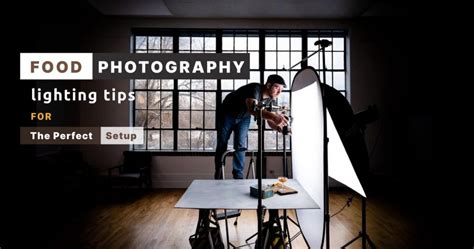
Lighting is arguably the single most crucial factor in food photography. It dictates mood, highlights texture, and makes food look either appetizing or unappealing. Natural light, especially diffused light from a window, is often preferred for its soft, even quality that enhances the food’s natural colors and details without harsh shadows. Overly dim or overly bright, unflattering light can make even the most delicious dish look bland or unappetizing. Mastering the angle and intensity of light can make ingredients appear fresh, vibrant, and utterly irresistible.
Composition is Key: Framing Your Feast
Beyond lighting, how you arrange elements within your frame significantly impacts visual appeal. The rule of thirds is a classic principle that helps create balanced and engaging compositions. Consider negative space to draw focus to the main dish, or use leading lines to guide the viewer’s eye. Overhead shots (flat lays) are popular for showing an entire spread, while close-ups can highlight intricate details and textures. A well-composed shot tells a story and makes the food the undeniable star.
Color and Contrast: A Feast for the Eyes
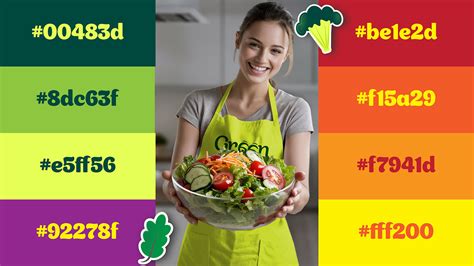
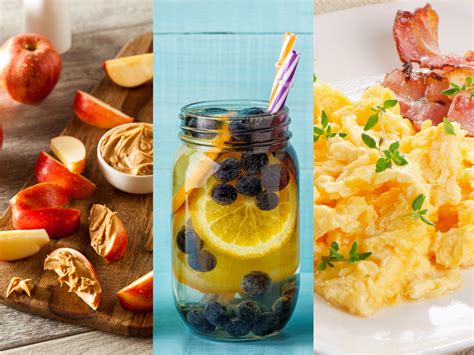
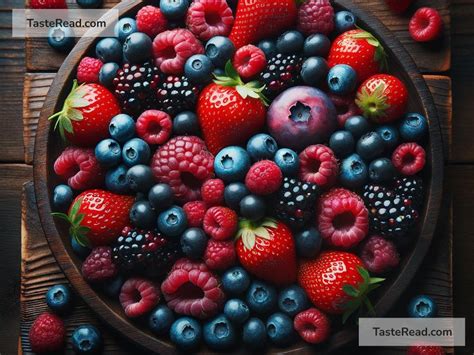
Humans are inherently drawn to vibrant colors. A visual bite that showcases a rich palette of fresh ingredients—bright greens, deep reds, golden yellows—immediately grabs attention. Utilize complementary colors, like a garnish of fresh herbs on a creamy pasta, to create visual interest and make the food pop. Strong contrast, whether in color, texture, or light, can add depth and dynamism to your image, making it more captivating and clickable.
Props and Styling: Setting the Scene
The background and props used in a visual bite can elevate the entire presentation. Think about how a rustic wooden board, a linen napkin, or a delicate fork can enhance the narrative of your dish. However, styling should always support the food, not overshadow it. Simplicity often reigns supreme; choose props that are subtle, relevant, and enhance the overall aesthetic without creating clutter. Authentic, relatable settings often resonate more than overly staged, artificial ones.
Action Shots and Video Snippets: Bringing Recipes to Life
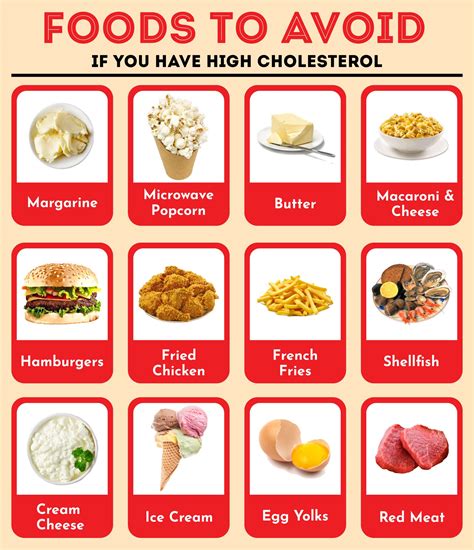
Still images are powerful, but short video snippets or ‘action shots’ can be even more engaging. A drizzle of sauce, a sprinkle of salt, steam rising from a hot dish, or a hand reaching in to grab a piece – these dynamic elements convey freshness, warmth, and the sensory experience of cooking and eating. They add a layer of realism and immediacy that a static image can’t always capture, often leading to higher click-through rates as users feel more immersed in the recipe’s journey.
Authenticity and Relatability
Ultimately, people connect with authenticity. While professional quality is important, overly processed or artificial-looking food can deter clicks. Showcase real food, imperfections and all, and aim for a style that feels approachable. Viewers want to believe they can recreate the dish themselves. A visual bite that looks genuinely delicious and attainable will always outperform one that looks too perfect to be true.
Conclusion
Boosting foodie recipe clicks isn’t just about having a great recipe; it’s about presenting it in the most visually compelling way possible. By strategically focusing on elements like perfect lighting, thoughtful composition, vibrant colors, effective styling, dynamic action shots, and an authentic presentation, you can create visual bites that not only capture attention but also inspire action. Invest time in refining these visual elements, and watch your recipe engagement soar as more users are enticed to explore the delicious details behind your stunning imagery.