




How do real foodies visually spot authentic local eats on new food adventures?

Embarking on a new food adventure is exhilarating, but the true quest for any seasoned foodie lies in unearthing authentic local eats, not just tourist traps. While recommendations and online reviews play a part, there’s an art to visually scanning a street or market and intuitively knowing where the real flavors reside. It’s a skill honed through experience, a keen eye for detail that separates the merely edible from the truly unforgettable.
The Crowd Tells a Story
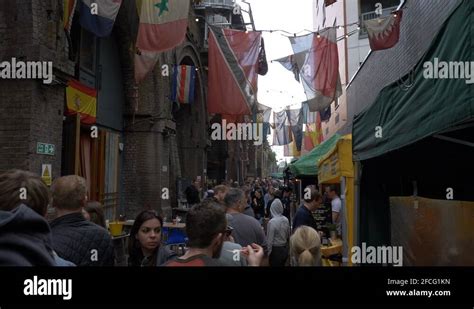
One of the most immediate and telling signs of an authentic local spot is its clientele. Are the tables filled predominantly with locals? Look for families, groups of friends, or solo diners who blend seamlessly into the environment, speaking the local language, and comfortable in their surroundings. A restaurant packed with foreign tourists might offer a pleasant meal, but it’s the buzzing, local-filled establishment that often promises genuine flavors at local prices. Observe their interactions, their ease with the menu, and their general demeanor – these are your most reliable indicators.
Menu Mystique: Language, Length, and Look
Next, turn your attention to the menu. Is it handwritten, perhaps only in the local language, or crudely translated? This often signals a place catering primarily to the community rather than international visitors. Beware of overly polished, multi-language menus with glossy pictures; while convenient, they can sometimes indicate a more generic offering. Furthermore, a shorter menu, focusing on a few specialized dishes, often suggests a kitchen confident in its mastery of those particular items, rather than attempting to cater to every palate. Look for daily specials chalked on a board – a sure sign of freshness and seasonal ingredients.
Ambiance and Atmosphere: Rustic Charm vs. Tourist Gloss
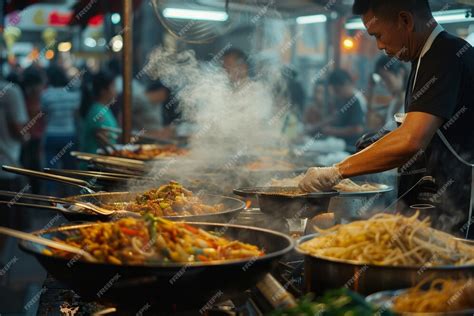
The visual appeal of the eatery itself can be highly indicative. Authentic local spots often prioritize substance over flash. They might be small, unpretentious, even a little worn around the edges. Cleanliness is key, of course, but don’t be put off by humble decor or mismatched furniture. The focus is on the food and the experience, not lavish interiors. A bustling, somewhat chaotic kitchen visible from the dining area, or street-side cooking, can be a fantastic sign, hinting at fresh preparation and a passionate culinary team.
The Food on Display and Its Presentation
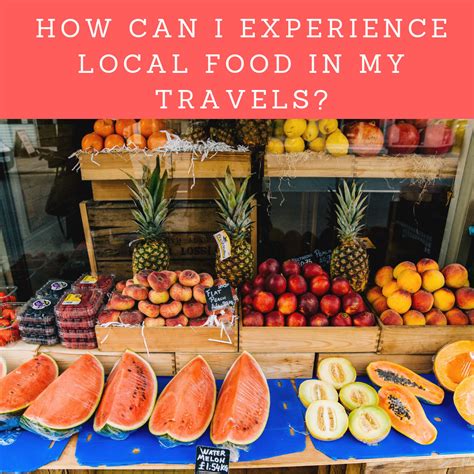
Take a moment to observe the food itself, especially if there’s an open kitchen or dishes are pre-made and visible. Does it look fresh? Are ingredients vibrant? Authentic local cuisine often values freshness and natural appeal over elaborate plating designed for Instagram. Portions might be generous, served in a no-frills manner that speaks of home cooking. Look for local ingredients prominently featured, perhaps even produce displayed openly, signalling a connection to local suppliers.

The Kitchen & Staff: Signs of Dedication
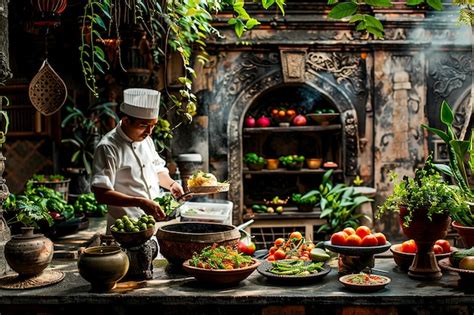
If you can glimpse into the kitchen, even partially, observe the activity. Is it a hive of focused work? Are the staff engaged and passionate? A clean, organized, yet busy kitchen is always a good sign. The staff, too, can offer clues. Do they seem like part of the local community? Are they friendly and welcoming, even if language is a barrier? Their genuine connection to the establishment and its food can be palpable.
Beyond Sight: A Symphony of Senses
While the focus is on visual cues, true foodies also instinctively engage their other senses. Aromatic spices wafting from a doorway, the sizzle of a wok, or the rhythmic chop of a knife can be powerful indicators of a culinary gem. Pay attention to the overall sensory experience of the street – where do the most enticing smells originate? Which sounds resonate with authentic activity?
Conclusion: The Art of Visual Culinary Sleuthing
Spotting authentic local eats is a delightful challenge, an integral part of any food adventure. By carefully observing the crowd, scrutinizing menus, appreciating rustic charm, and assessing food presentation, you equip yourself with the visual literacy to navigate new culinary landscapes like a seasoned pro. Trust your instincts, embrace the unfamiliar, and let your eyes guide you to truly unforgettable local flavors.