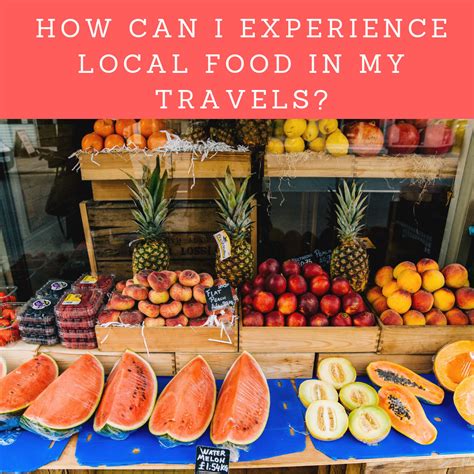





How to avoid tourist traps & find visually stunning authentic eats?
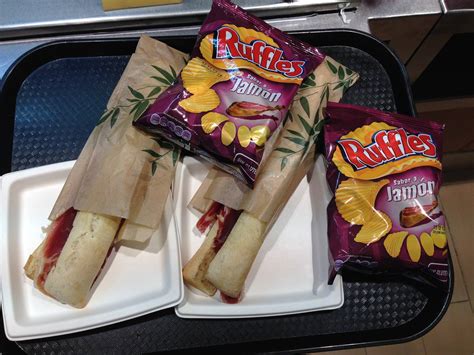
The Quest for Genuine Flavors Abroad
There’s an undeniable allure to traveling, and for many, it revolves around the culinary journey. Yet, the dream of savoring an authentic, melt-in-your-mouth local dish can quickly turn into a nightmare of overpriced, uninspired tourist trap meals. The challenge isn’t just finding good food, but food that tells a story, reflects a culture, and ideally, looks as incredible as it tastes. How do you navigate the crowded streets and bustling markets to find those hidden gems?
It starts with a shift in perspective and a few strategic tools in your traveler’s toolkit. Escaping the gravitational pull of the main attractions and knowing what to look for can transform your eating experiences from forgettable to truly remarkable.

Spotting the Red Flags: Identifying Tourist Traps
The first step in avoiding tourist traps is learning to recognize them. These establishments often share common traits that, once identified, become glaring warning signs:
- Multi-Lingual Menus with Pictures: While helpful for non-speakers, a menu with laminated pages, numerous flags, and glossy, generic food photos often indicates a place catering to the lowest common denominator, not authentic cuisine.
- Proximity to Major Landmarks: Restaurants directly adjacent to famous monuments, museums, or plazas typically charge a premium for their location and often compromise on quality. Wander a few blocks away.
- Aggressive Touts: If someone is trying to pull you into a restaurant from the street, it’s usually a sign they’re struggling to attract customers organically. Authentic, popular local spots rarely need to do this.
- Empty Local Tables: Observe who’s eating there. If it’s predominantly other tourists and few (if any) locals, move on. Locals know where the good food is.
Your Culinary Compass: Pre-Trip Research
While spontaneity is part of the travel charm, a little homework can go a long way in food exploration. Before you even pack your bags:
- Dive into Food Blogs & Forums: Look for blogs written by locals or long-term expats. Food-specific forums and expat communities often have incredibly detailed recommendations for hidden eateries.
- Utilize Social Media: Instagram is a powerful visual tool. Search location-specific hashtags (e.g., #RomeFood, #ParisEats, #TokyoStreetFood) and look for posts by local accounts or those with genuine, non-commercial vibes. Pay attention to the presentation and vibrancy of the dishes.
- Consult Local Guides & Apps: Beyond generic travel guides, look for specialized food guides or apps that focus on specific cities or regions. Google Maps reviews, especially those with photos and comments from local guides, can be invaluable.
On the Ground: Embracing Local Habits
Once you’ve arrived, your observation skills become your best friend. Adopt these tactics:
- Wander and Observe: Step off the main thoroughfares. Turn down side streets and explore residential areas. Often, the best eateries are tucked away in unassuming locations.
- Look for Queues & Buzz: A line of locals, especially during peak meal times, is a strong indicator of excellent food. A bustling, lively atmosphere filled with local chatter is always a good sign.
- Ask Locals for Recommendations: Don’t be shy! Politely ask hotel staff, shopkeepers, or even friendly locals you encounter for their favorite places to eat. Specify that you’re looking for authentic local food, not touristy spots.
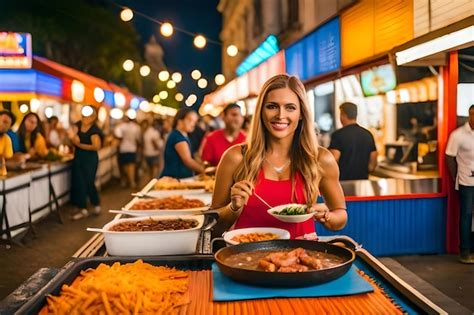
- Embrace Street Food: Street food markets and stalls are often goldmines for authentic, flavorful, and visually appealing dishes at a fraction of restaurant prices. Observe hygiene practices and go where locals are lining up.

Beyond Taste: The Art of Visually Stunning Authenticity
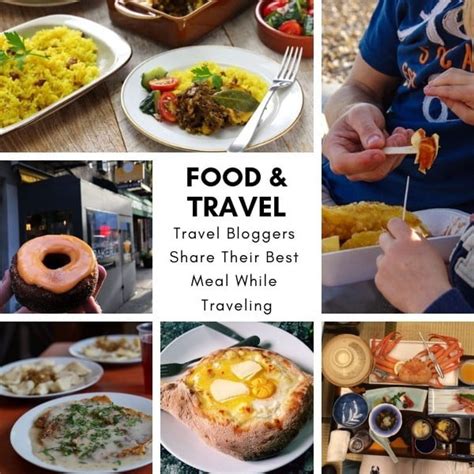
Authentic doesn’t mean rustic or unappealing. Many traditional cuisines pride themselves on vibrant colors, fresh ingredients, and thoughtful presentation. Visually stunning authentic eats combine:
- Fresh, Local Ingredients: The inherent beauty of seasonal produce, colorful spices, and expertly prepared proteins.
- Traditional Plating: Even in simple settings, there’s often an art to how dishes are arranged, whether it’s a perfectly folded dumpling, a beautifully garnished plate, or a vibrant array of street food.
- Vibrancy of Culture: The visual appeal also comes from the context – the lively market stall, the charming family-run eatery, the colorful setting where the food is enjoyed.
When you’re researching or observing, look for food photography that showcases these elements. Is the food vibrant? Does it look fresh and handcrafted? Do the photos capture the essence of the dining experience, not just a generic plate?

Embracing the Adventure: A Mindset Shift
Finding those truly special culinary moments requires a bit of adventure and an open mind. Don’t be afraid to try something new, even if it looks a little different or is served in a modest setting. Often, the best meals come from the most unexpected places – a tiny, bustling eatery with just a few tables, a family-run stall that’s been serving the same dish for generations, or a hidden restaurant only known by word of mouth.
Trust your instincts, do a little digging, and let your curiosity guide you. The reward is not just a delicious meal, but a deeper connection to the culture and a richer, more memorable travel experience.
Conclusion
Avoiding tourist traps and discovering visually stunning authentic eats is an integral part of a truly enriching travel experience. By sharpening your observational skills, conducting smart research, and being adventurous on the ground, you can bypass the bland and uncover the culinary treasures that make each destination unique. Your taste buds, and your Instagram feed, will thank you.