



What pro tips ensure vibrant color in cooked veggies for food styling?
The Art of Preserving Hue: Why Color Matters in Food Styling
In the world of food styling, color is more than just an aesthetic; it’s a critical element that communicates freshness, flavor, and overall appeal. Dull, faded vegetables can detract from even the most meticulously prepared dish, making vibrant hues non-negotiable for professional presentation. Achieving and maintaining these dazzling colors requires a blend of scientific understanding and refined culinary techniques. Let’s delve into the pro tips that ensure your cooked vegetables pop with natural brilliance, transforming a simple ingredient into a visual masterpiece.
Start with Quality: The Foundation of Color
The journey to vibrant vegetables begins long before they hit the pan. Selecting the freshest, peak-season produce is paramount. Overripe or old vegetables have already begun to degrade, making it nearly impossible to revive their faded tones. Look for firm textures, bright skins, and crisp leaves, free from blemishes or wilting. Organic, locally sourced options often boast superior freshness and color intensity due to shorter transit times and optimal harvesting.
Master Cooking Techniques for Maximum Brilliance
Blanching and Shocking: The Green Vegetable Savior
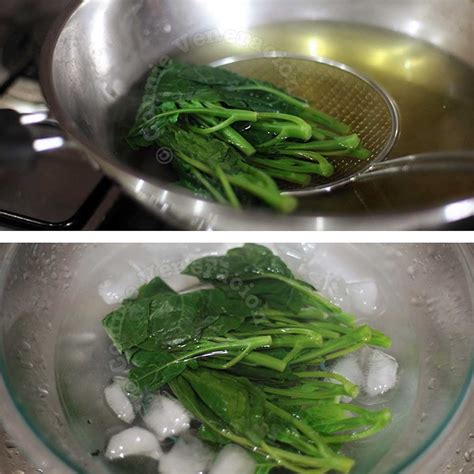
For most green vegetables like broccoli, asparagus, green beans, or spinach, blanching followed by an immediate ice bath (shocking) is the gold standard. Blanching involves quickly submerging vegetables in boiling, salted water for a short period—typically 30 seconds to 2 minutes—to set their chlorophyll and brighten their color. The rapid plunge into ice water halts the cooking process, preventing overcooking and preserving that vivid green hue. This technique is crucial for maintaining crispness and color.
Gentle Steaming and Quick Sautéing
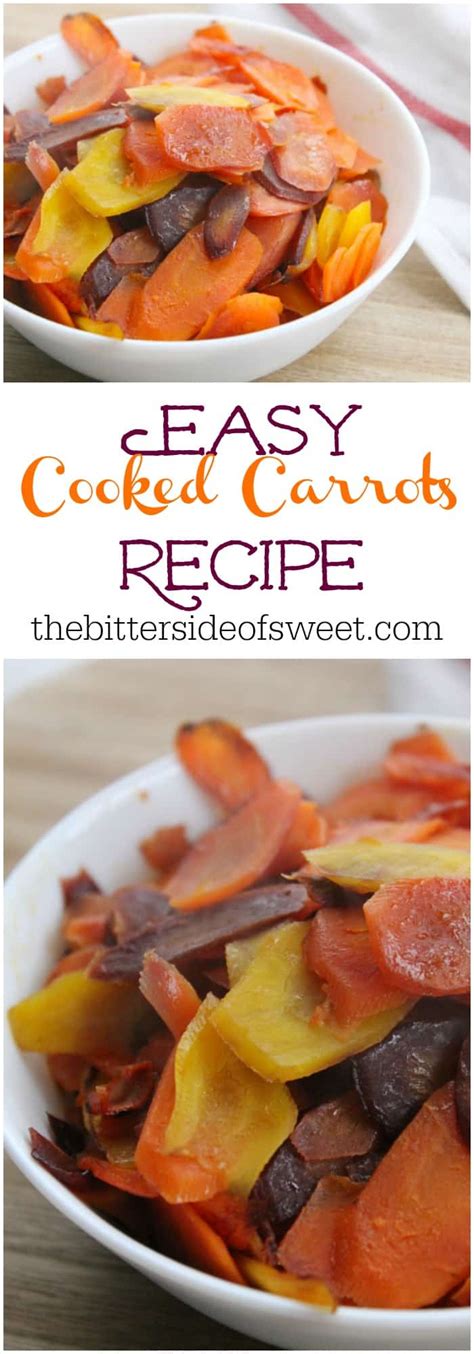
Steaming is another excellent method for preserving color, especially for denser vegetables like carrots, potatoes, or bell peppers. The gentle, moist heat cooks them evenly without browning or leaching water-soluble pigments. Keep steaming times short to achieve an al dente texture. Sautéing, when done quickly over high heat, can also lock in color and add a slight caramelization without dulling vibrant tones, particularly for sliced or diced vegetables that cook fast.
Roasting with a Focus on Hue
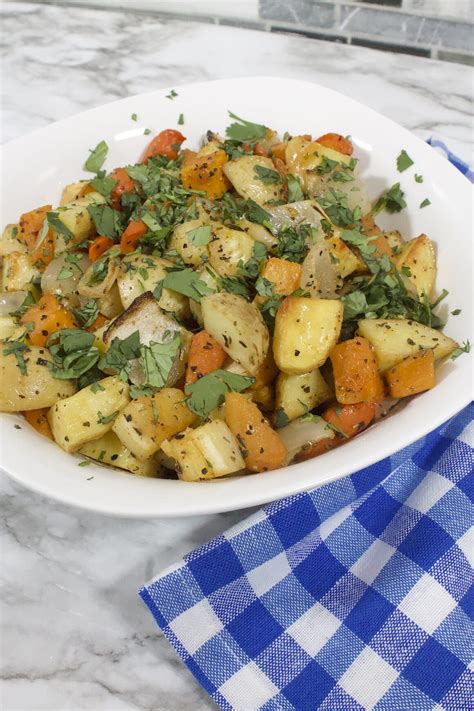
While roasting often aims for caramelization and char, it’s possible to maintain vibrant colors with careful technique. Toss vegetables with a minimal amount of high-smoke-point oil and roast at moderate-high temperatures (around 400°F/200°C) for shorter durations. Avoid overcrowding the pan, as this leads to steaming rather than roasting, which can dull colors. Keep a close eye to prevent excessive browning, which masks natural vibrancy. A touch of acidity post-roasting can also brighten certain colors.
The Science of Color: Acidity and Timing
Understanding pH plays a subtle but significant role. Chlorophyll (responsible for green) is sensitive to acid, which can turn greens olive-brown. Conversely, too much alkalinity can make them mushy. Aim for neutral cooking environments. For vegetables like red cabbage, a splash of vinegar or lemon juice can help retain its beautiful purple hue, as it reacts with the anthocyanins (red/purple pigments). For other vegetables, a neutral cooking environment is often best.
Timing is everything. Overcooked vegetables not only lose their texture but also their vibrant pigments. Aim for an al dente doneness—cooked through but still with a slight bite. This precise timing ensures maximum color retention and a pleasing mouthfeel, crucial for both taste and visual appeal.
Post-Cooking Preservation and Plating
Once cooked, avoid holding vegetables in a hot environment for too long, as residual heat will continue to cook them, leading to color degradation. For styling, cook vegetables as close to plating time as possible. A light brush of olive oil, butter, or a simple glaze (like maple syrup for root vegetables) can add a beautiful sheen that enhances perceived vibrancy without making them greasy.
Consider the color palette of your entire dish. Contrasting colors make individual components pop. A bright green asparagus spear will look even greener against a white or dark background, or next to a vibrant red bell pepper. Thoughtful arrangement and strategic placement are key to creating an impactful visual.
Specific Vegetable Tips for Maximum Impact
- Greens (Broccoli, Spinach, Asparagus): Blanch and shock is your best friend. A pinch of baking soda can sometimes brighten green but use sparingly, as it can degrade texture.
- Reds/Oranges (Carrots, Bell Peppers, Tomatoes): Quick cooking (sauté, steam, or light roast) is best. Overcooking or high heat for too long can dull carotenoids and lead to browning.
- Purples (Red Cabbage, Beets, Eggplant): Anthocyanins are pH-sensitive. Use a touch of acid (vinegar, lemon juice) to maintain rich purples. Alkali can turn them blue or grayish. Beets hold their color exceptionally well, but avoid over-dilution in water.
- Yellows (Corn, Squash): Generally robust, but quick cooking prevents mushiness and retains their sunny hues.
Conclusion: The Art of Visual Culinary Perfection
Achieving vibrant colors in cooked vegetables for food styling is a testament to culinary skill and attention to detail. From the initial selection of prime produce to the precise timing of cooking and the thoughtful application of post-preparation techniques, every step contributes to the final visual impact. By mastering these pro tips, you can ensure your vegetable components don’t just taste extraordinary, but also captivate the eye with their dazzling, natural brilliance, elevating any dish to a professional standard.