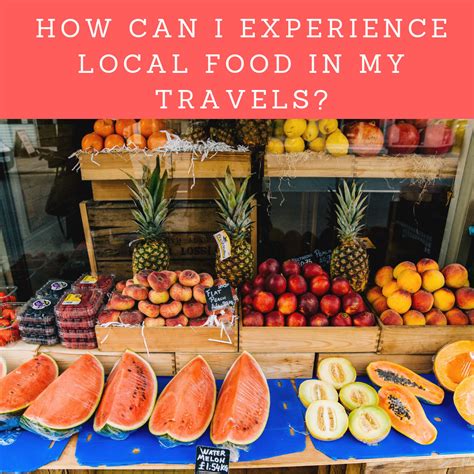





Best visual cues to find authentic local eats for your real foodie feed?

For the true foodie, the quest for authentic local eats is as much about the discovery as it is about the taste. Beyond online reviews and guidebooks, there’s an art to spotting those hidden gems that offer a real taste of local culture. If you’re looking to enrich your foodie feed with truly genuine experiences, honing your observational skills is key. Here’s how to visually sniff out the best local spots.
Follow the Locals, Literally
The most straightforward visual cue is simply observing where local people are eating. If a place is consistently bustling with residents, especially during off-peak tourist hours, it’s a strong indicator of authenticity. Look for queues of locals, crowded tables, or a quick turnover of customers who clearly know the menu and the drill.
Also, pay attention to the demographic. Are they families, workers on their lunch break, or elderly couples? These groups are typically seeking good value and authentic flavors, not tourist traps. A menu predominantly in the local language (with perhaps a hastily translated English version) is another excellent sign.
The Unpretentious Exterior is Often a Good Sign
Forget polished facades and flashy signage. Often, the most authentic eateries have the most unassuming exteriors. Look for establishments that might seem a little rough around the edges, perhaps with weathered paint, hand-written specials, or basic decor. These places often invest their resources into the food itself rather than aesthetics designed to attract tourists.
A place that looks like it hasn’t changed in decades, or one with a simple, focused menu displayed prominently, frequently delivers an unparalleled local experience. Avoid establishments with large, generic photo menus targeted squarely at international visitors.
Observe the Kitchen and Ingredients
If the kitchen is even partially visible, take a peek. Are the ingredients fresh and locally sourced? Do you see chefs actively preparing dishes, rather than just reheating? A clean, organized, but well-used kitchen is a positive sign. The presence of specific local produce, spices, or cooking methods unique to the region further validates its authenticity.
Also, watch how the food is prepared. Is it cooked to order? Are traditional techniques being employed? For street food, observe the freshness of the raw ingredients on display and the hygiene practices of the vendors.
The Dishes Themselves: Appearance Matters
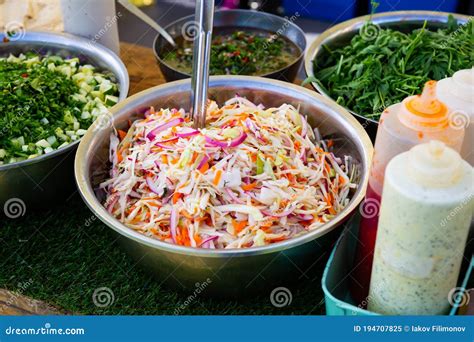
When you see the food being served, does it look ‘right’ for the local cuisine? Authentic dishes often have a rustic, homemade appearance rather than being overly styled or modernized for a Western palate. Look for traditional serving ware, portion sizes that reflect local customs, and colors that suggest fresh, vibrant ingredients.
Are the dishes simple yet inviting? Sometimes, the most delicious and authentic foods are those that don’t try too hard to impress with elaborate presentation, but rather focus on the integrity of the ingredients and traditional preparation.
The Absence of English is a Clue
While challenging for non-local speakers, a complete lack of English on menus, signs, or even among the staff can be a strong indicator that you’ve stumbled upon a truly local spot. These places cater almost exclusively to the local population, ensuring a genuine experience untouched by tourist demands. Don’t be afraid to point, gesture, or use a translation app; the reward is often worth the effort.
![Top Multilingual Menu Design Ideas and Examples [2025]](/images/aHR0cHM6Ly90czMubW0uYmluZy5uZXQvdGg/aWQ9T0lQLjV0ak1EbmZfN01SczFVX2lmSExLLXdIYUVkJnBpZD0xNS4x.webp)
Beyond Sight: Listen and Smell
While visual cues are primary, don’t forget to engage your other senses. The aroma wafting from an eatery can be a powerful draw – the smell of simmering spices, freshly baked bread, or sizzling meats. Listen for the lively chatter of local patrons, the clatter of woks, or the rhythmic sounds of food preparation. These auditory and olfactory clues often reinforce what your eyes are telling you.

By sharpening your observational skills and paying attention to these visual cues, you’ll not only find incredible, authentic local eats but also capture the true essence of a destination for your real foodie feed. Happy hunting!