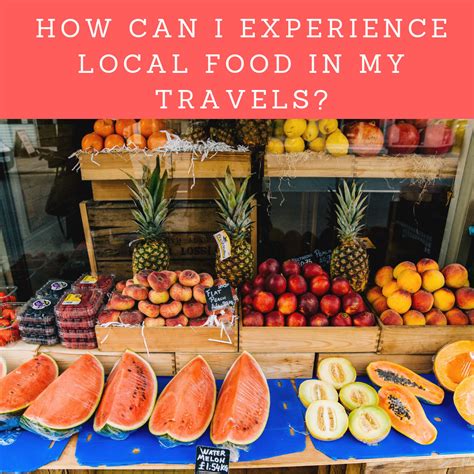





What visual cues reveal authentic local food hidden gems fast?
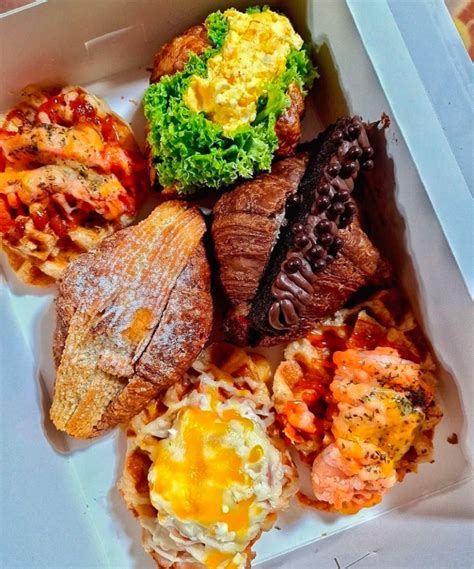
The Art of Observation: Beyond the Tourist Trap
For any food adventurer, the quest for authentic local cuisine is paramount. It’s not just about satisfying hunger; it’s about experiencing a destination through its flavors, culture, and people. While online reviews and guidebooks offer a starting point, the truly memorable meals often lie off the beaten path, in establishments cherished by locals. The trick? Learning to read the visual cues that distinguish genuine hidden gems from tourist traps.
By honing your observational skills, you can quickly cut through the noise and zero in on eateries that promise an unadulterated taste of the local culinary soul. Forget flashy signs and aggressive touts; authenticity often whispers rather than shouts.
A Sea of Locals: The Ultimate Indicator
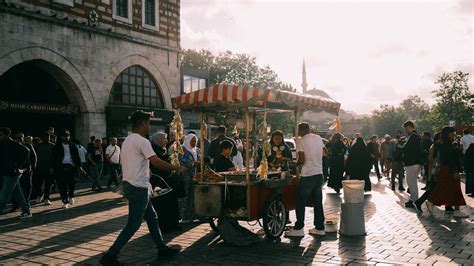
Perhaps the most reliable visual cue is the crowd itself. Glance inside an establishment during peak meal times. Is it filled predominantly with locals – families, elderly residents, workers on their lunch break? A restaurant packed with indigenous patrons, especially when tables are shared or there’s a patient queue, is a strong indicator of quality and authenticity. They know where the good food is, and they vote with their feet.
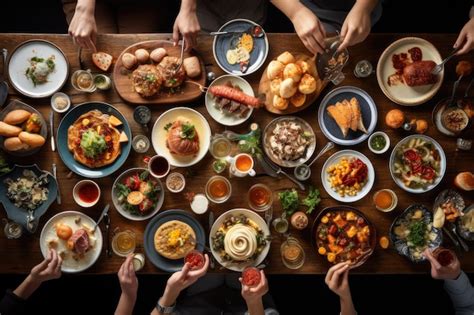
Simplicity Speaks Volumes: Worn Charm and Focus
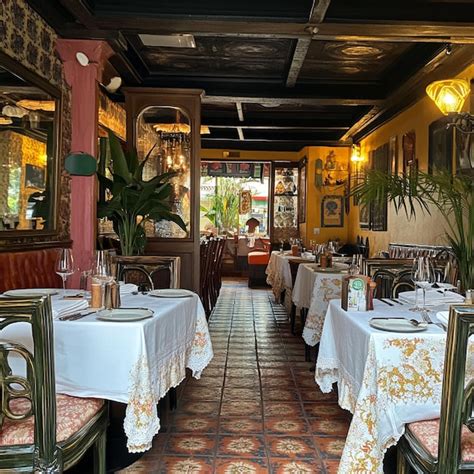
Often, the best local spots are unpretentious. Look for modest decor, worn but clean tables, and a general lack of flashy embellishments. An establishment that prioritizes the food over the ambiance is usually a good sign. Hand-written menus, perhaps in the local language with limited English translations (or none at all), suggest a focus on tradition and a regular local clientele.
Also, pay attention to the menu’s length. Restaurants specializing in a few dishes, perfected over generations, often outperform those with sprawling, multi-cuisine offerings designed to cater to every possible tourist whim.
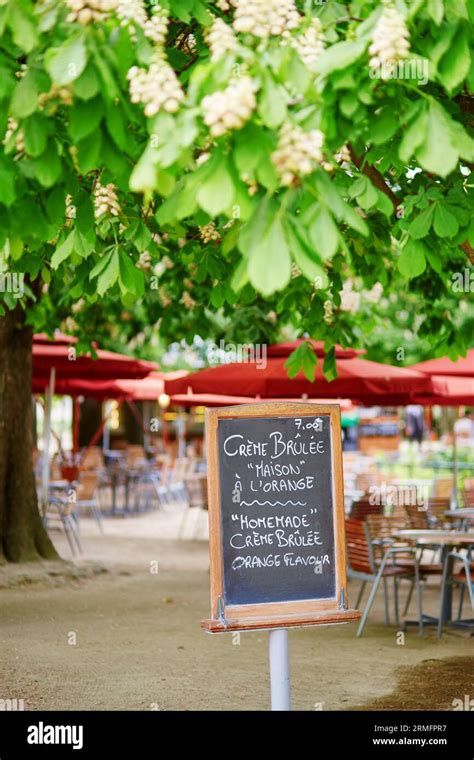
Open Kitchens and Fresh Ingredients on Display
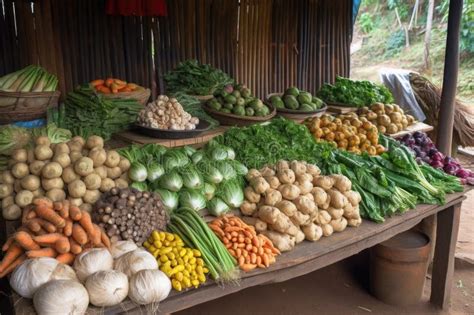
Visibility is a powerful trust builder. If you can see into the kitchen, or observe the food preparation from outside or inside the eatery, that’s a positive sign. The sight of fresh, local ingredients – vibrant produce, whole fish on ice, or meat being skillfully cut – signals a commitment to quality and transparency. The aroma wafting from the kitchen is an added bonus, visually confirming the food’s freshness as it’s being cooked.
The Queue Conundrum: Quality vs. Hype
While a queue is often a good sign, it’s crucial to differentiate. A line of patient locals implies a worthy wait. However, if the queue consists mainly of tourists clutching guidebooks, it might be an overhyped spot rather than a true hidden gem. Observe the demeanor of those waiting – locals often chat casually, a sign of their regular patronage and trust in the establishment.
Signs of Dedication: Small Details That Matter
Look for small, subtle cues. Perhaps a faded photograph of the original owner, local awards or certificates displayed (even if you can’t read the language, the official appearance is telling), or cooking equipment that looks well-used and cared for. If the establishment also sells packaged local goods, like homemade sauces or snacks, it suggests a deeper connection to local culinary traditions.
Trust Your Gut (and Your Eyes)
Ultimately, finding authentic local food is an adventure in itself. Combine these visual cues with a bit of exploration. Venture a few blocks away from major tourist attractions, down quieter side streets. Pay attention to your intuition. The genuine hidden gems often have an indefinable magnetism, a humble confidence that speaks to their culinary integrity.
Armed with these observational tactics, you’ll be well-equipped to quickly identify and savor the true flavors of your destination, uncovering culinary treasures that enrich your travel experience far beyond the plate.