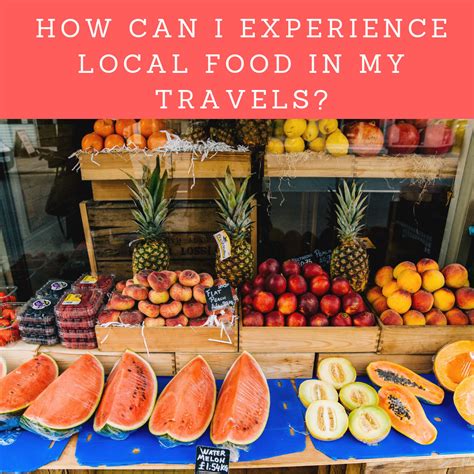





Visual red flags: How to spot tourist traps for authentic local food adventures?
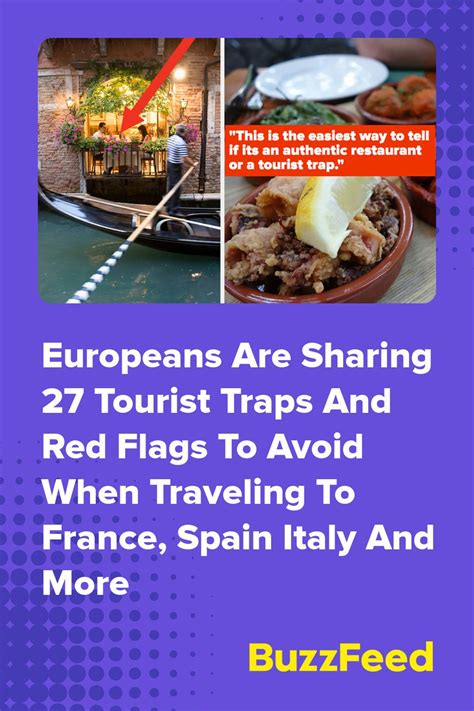
Decoding the Urban Jungle: Spotting Culinary Deception
There’s an undeniable thrill in traveling, and for many, that thrill culminates in the discovery of authentic local cuisine. The aroma of spices drifting from a bustling market, the sight of fresh produce piled high, and the promise of a meal that tells a story of its land and people – these are the true treasures of a food adventure. However, lurking in the shadows of popular landmarks are culinary imposters: tourist traps designed to siphon your money with overpriced, mediocre food. The good news? With a keen eye, you can learn to spot these visual red flags from a mile away and navigate your way to truly authentic local dining experiences.
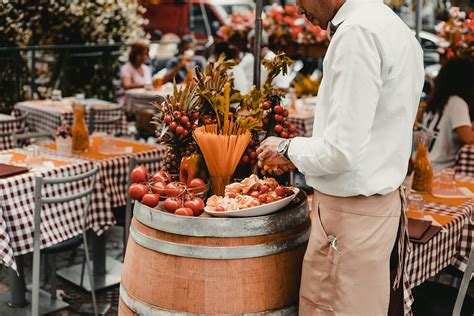
The Obvious Outsiders: External Visual Cues
The first line of defense is often the exterior of an establishment. Tourist traps love prime real estate, so be wary of restaurants located directly next to major attractions, busy bus stops, or within a stone’s throw of popular hotels. These locations naturally attract high foot traffic, making them easy targets for unsuspecting visitors.
Next, observe the signage and decor. If a restaurant features menus translated into half a dozen languages prominently displayed outside, especially with photos that look too perfect or generic, it’s often a warning. Authentic local eateries tend to prioritize their native tongue, perhaps with a smaller, more discreet English translation. Overly flashy lights, generic ‘international cuisine’ banners, or a vibe that screams ‘chain restaurant’ in a foreign setting are also strong indicators to keep walking.
Inside the Deception: Internal Visual Indicators
Once you step inside, more red flags might appear. Pay close attention to the clientele. Is the place packed with fellow tourists, snapping photos of their plates, or are there locals – families, business people, or couples – engaging in lively conversation? A restaurant full of locals is almost always a good sign; they know where to find the best food for their money.

The menu itself can be a tell-tale sign. An overly extensive menu featuring dishes from every corner of the globe, rather than focusing on local specialties, suggests a lack of culinary identity. Poorly translated menu items, often humorous in their inaccuracies, can also be a sign of a place that caters to a transient crowd rather than culinary excellence. Finally, check the prices. If they seem significantly higher than what you’ve observed in other local spots, especially for simple dishes, you’re likely in a trap.
The Subtle Scenery: Positive Visual Cues for Authentic Gems
Now that you know what to avoid, let’s look at what to seek out. Authentic local spots often have a more humble, unassuming appearance. They might not have flashy signs, but rather a simple, time-worn facade. Look for places with a steady stream of customers, perhaps even a short queue forming during peak hours – a sure sign of a local favorite.
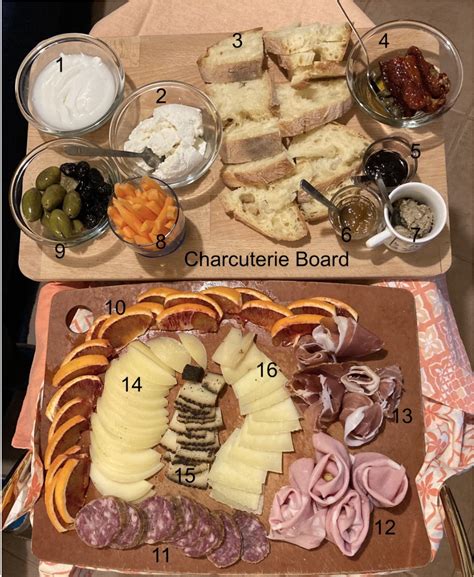
Inside, the decor might be modest but clean, reflecting local culture rather than a generic theme. The menu will likely be concise, focusing on a few well-executed local dishes. Hand-written specials on a whiteboard or chalkboard are often a fantastic sign of fresh, seasonal ingredients. Observe the food on other tables – does it look freshly prepared, vibrant, and appetizing? Do you see traditional cooking methods or ingredients being used?
Even the staff can offer visual cues. In authentic local eateries, staff might be less overtly pushy, focusing instead on efficient service and genuine hospitality. You might even see the owner or a family member actively involved in the day-to-day operations, a sign of passion and dedication to their craft.
Beyond the Visual: Trust Your Instincts
While visual cues are powerful, don’t forget to engage your other senses. The enticing aroma of spices and simmering sauces, the lively chatter of satisfied diners, and the overall buzz of a well-loved establishment can all guide you. Ask locals for recommendations – a simple question like “Where do you like to eat?” can lead to incredible discoveries. Embrace the adventure of seeking out these hidden gems, and you’ll not only savor incredible food but also gain a deeper connection to the culture you’re exploring. Happy hunting, and bon appétit!