




Crisp veggies & vibrant herbs: best fridge storage for real foodies?
For anyone who truly savors fresh, wholesome ingredients, there’s nothing more frustrating than seeing vibrant greens wilt or crisp carrots go limp prematurely. As a real food foodie, you invest in quality produce, and you deserve to enjoy it at its absolute best. The secret to extending the life of your fresh market finds lies not just in your fridge, but in understanding the specific needs of each item. Let’s unlock the ultimate strategies for a fridge full of perfectly crisp veggies and aromatic herbs.
The Enemy of Fresh: Understanding Spoilage
Before diving into storage techniques, it’s crucial to understand what causes produce to spoil. The main culprits are ethylene gas, moisture (too much or too little), temperature fluctuations, and air exposure. Ethylene is a natural ripening agent produced by certain fruits and vegetables (e.g., apples, bananas, tomatoes) that can prematurely ripen and spoil ethylene-sensitive items (e.g., leafy greens, herbs). Controlling these factors is key to extending freshness.
General Principles for Produce Preservation
The Crisper Drawers: Your Best Friends
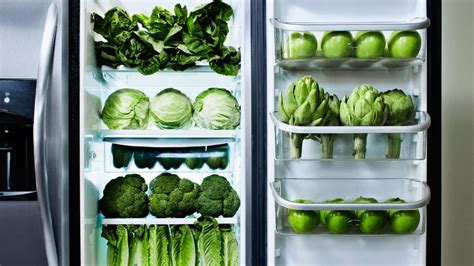
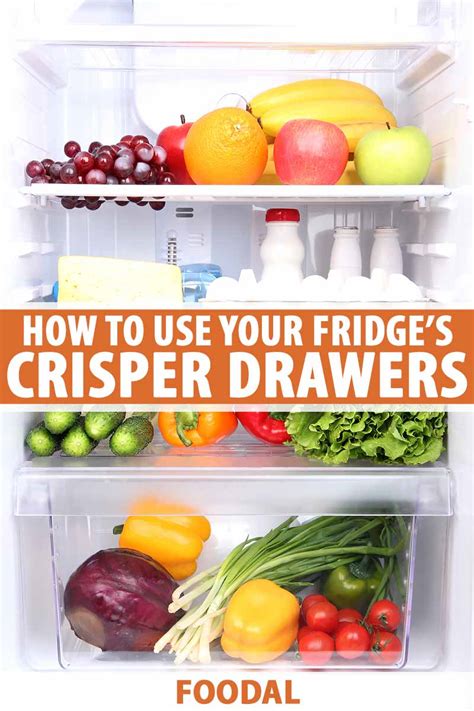
Your refrigerator’s crisper drawers are specifically designed to create microclimates. The ‘high humidity’ setting (often a closed vent) is ideal for most leafy greens, herbs, and thin-skinned vegetables like cucumbers, as it traps moisture to prevent wilting. The ‘low humidity’ setting (an open vent) allows some moisture to escape, perfect for fruits and vegetables that can rot from excess moisture, such as apples, pears, and bell peppers.
Temperature Matters
Maintain your refrigerator temperature between 35-38°F (1.7-3.3°C). This range slows down the enzymes that cause ripening and spoilage without freezing your delicate produce. Avoid placing delicate items near the back of the fridge, where temperatures can sometimes drop lower and cause freezing.
Tailored Storage for Specific Veggies & Herbs
Leafy Greens (Spinach, Kale, Lettuce)
Wash, thoroughly dry, and then wrap greens in a paper towel before placing them in an airtight container or a reusable produce bag. The paper towel absorbs excess moisture, preventing sliminess, while the container maintains humidity. For a head of lettuce, you can often just wrap it loosely in a damp paper towel.
Root Vegetables (Carrots, Beets, Radishes)
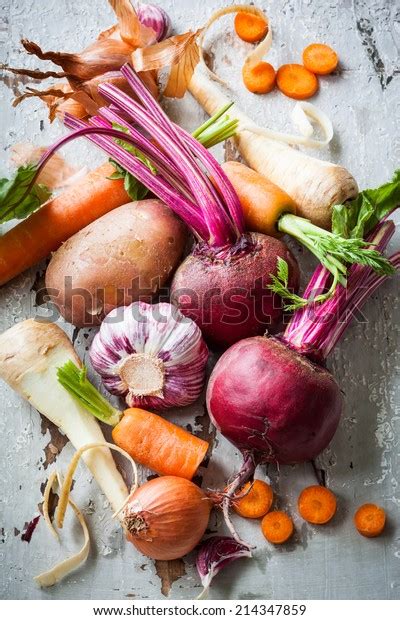
First, remove any greens attached to root vegetables; these draw moisture from the roots, causing them to soften. Store roots unwashed in an airtight container or a loosely sealed plastic bag in the crisper drawer. Carrots can also do well submerged in water, changed daily.
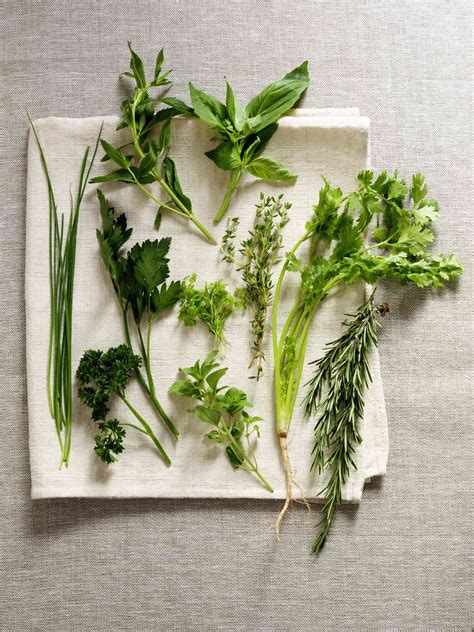
Herbs (Parsley, Cilantro, Dill)
Treat most tender herbs like a bouquet of flowers. Trim the stems, place them upright in a jar with about an inch of water, and cover loosely with a plastic bag. Change the water every couple of days. Basil, however, prefers room temperature; only refrigerate if it’s looking particularly sad and needs a pick-me-up, but generally, it will blacken.

Hardy Herbs (Rosemary, Thyme, Oregano)
Wrap these herbs in a barely damp paper towel, then place them in a sealed bag or container. They are less prone to wilting than their tender counterparts but still benefit from a little moisture retention.
Delicate Produce (Asparagus, Green Beans)
For asparagus, stand the spears upright in a jar with about an inch of water, similar to herbs. Green beans do best in a breathable bag (like a cloth produce bag) or a loosely sealed plastic bag in the crisper drawer, allowing some airflow to prevent mold.
Essential Tools for the Foodie Fridge
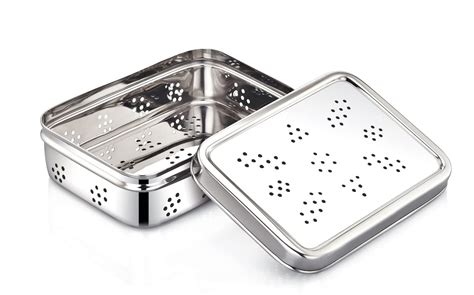
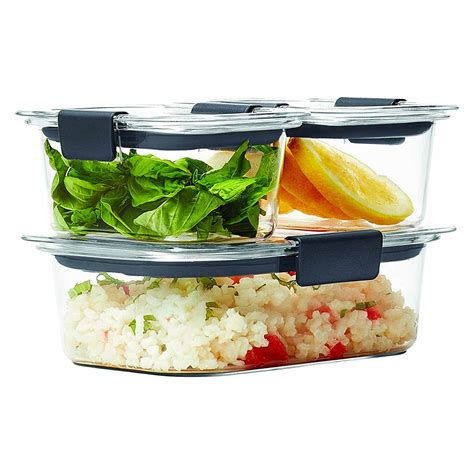
- Airtight Containers: Glass or BPA-free plastic containers are invaluable for preventing dehydration and separating ethylene producers from sensitive items.
- Reusable Produce Bags: Breathable mesh or perforated plastic bags are excellent for items needing some airflow while maintaining humidity.
- Glass Jars: Perfect for the ‘bouquet method’ for herbs and asparagus, and for storing cut veggies in water.
- Paper Towels/Cloth Towels: Absorb excess moisture and provide a gentle barrier.
Beyond Storage: Habits for Longevity
Even the best storage techniques can’t save produce that’s past its prime. Buy smart, choosing firm, vibrantly colored items. Avoid washing produce until just before use, as excess moisture can accelerate spoilage. Rotate your stock, bringing older items to the front so they’re used first. And finally, don’t be afraid to experiment! Every fridge and every kitchen has its own microclimates; observe what works best for your produce.
With these strategies, your fridge will transform from a place where produce goes to expire, to a living pantry where crisp veggies and vibrant herbs thrive. Enjoy the unparalleled freshness and flavor that truly thoughtful storage brings to your real food journey!