



How to master quick plating for stunning, gourmet food visuals? #foodstyling
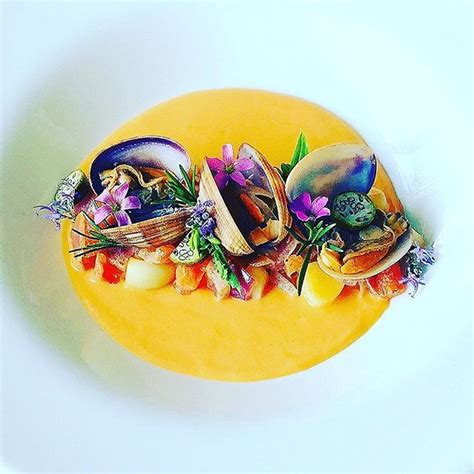
In the age of visual storytelling, our food is often judged by its cover. Whether you’re a home cook aiming to impress dinner guests or a food enthusiast eager to share your culinary creations online, mastering the art of quick plating is an invaluable skill. It’s not just about making food look pretty; it’s about enhancing the dining experience and appealing to all senses, even before the first bite. And the best part? It doesn’t have to take a long time.
The Philosophy of Efficient Plating
Quick plating isn’t about rushing; it’s about smart design and pre-planning. Think of your plate as a canvas and your ingredients as paint. The goal is to create a visually appealing composition efficiently. This means understanding your ingredients’ strengths, leveraging contrast, and having a clear vision before you even pick up a spoon. It’s about making deliberate choices that yield maximum visual impact with minimal fuss.
Developing a mental blueprint for how each component will sit on the plate saves crucial seconds, ensuring your hot food stays hot and your cold food stays cold. This systematic approach transforms plating from a stressful last-minute scramble into a smooth, creative flourish.

Essential Tools for Speed and Precision
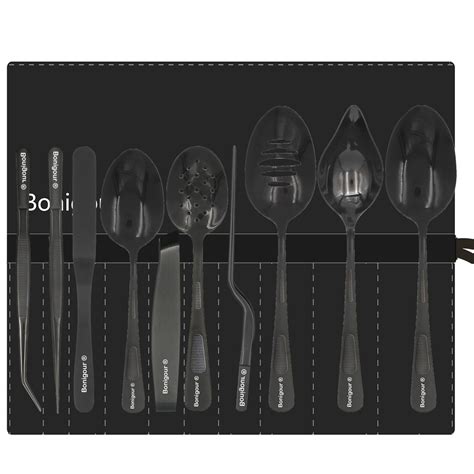
While you can achieve stunning results with just a spoon, a few dedicated tools can significantly speed up your plating process and elevate your presentation. Investing in these will streamline your efforts and give you greater control over your culinary canvas.
Squeeze Bottles and Tweezers
Squeeze bottles are perfect for sauces, purees, and oils, allowing you to create delicate dots, swooshes, or intricate lines with ease and consistency. They eliminate drips and provide precise control over the amount and placement of liquids. Plating tweezers are indispensable for handling small garnishes like herbs, microgreens, edible flowers, or delicate components, ensuring they are placed exactly where you want them without disturbing the rest of the dish.
Spoons and Rings
A good set of plating spoons, especially those with narrow tips, can help you scoop, drizzle, and smear sauces or purees beautifully. Round or square food rings are fantastic for molding rice, tartare, or vegetable purees into perfect geometric shapes, creating height and structure effortlessly. Simply fill the ring, gently compress, and lift.
Core Principles for Visual Impact
No matter how little time you have, adhering to a few fundamental design principles will dramatically improve your food’s visual appeal. These are the pillars of gourmet presentation.
Color and Contrast
A vibrant plate is an appealing plate. Think about how colors interact. A bright green herb against a rich red sauce, or a light white fish against a dark vegetable puree, creates visual interest. Contrast isn’t just about color; it’s also about varying shades and tones to make elements pop.
Height and Texture
Flat food is boring food. Introduce height by stacking components, leaning elements, or creating small mounds. Varying textures—crispy, creamy, crunchy, smooth—adds another layer of interest and makes the dish more engaging. Visually distinct textures signal a delightful eating experience.
Negative Space
Don’t overcrowd the plate. Negative space, or the empty areas on your plate, is just as important as the food itself. It allows the eyes to rest and highlights the star components of your dish. Aim to present your food as if it’s artwork, giving it room to breathe and be appreciated.
Quick Plating Techniques in Action
Now let’s put these principles into practice with some rapid techniques you can use immediately.
The “Smear” or “Swoosh”
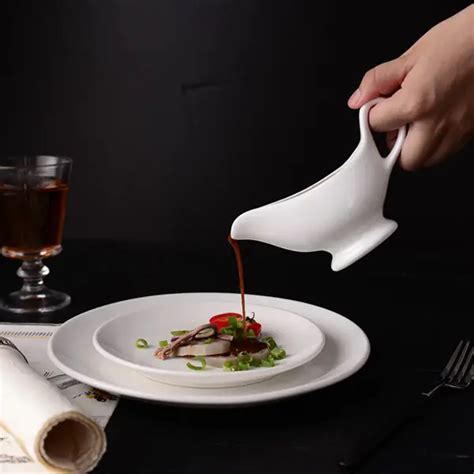
This is a classic technique for sauces and purees. Place a dollop of sauce on the plate, then use the back of a spoon to quickly drag it across the plate in a graceful arc or a decisive smear. This creates movement and a professional finish with minimal effort.
Stacking and Layering
Instead of spreading components out, build upwards. Stack slices of meat or vegetables, layer sauces between elements, or place a garnish strategically on top of a main component. This creates visual interest and makes the dish appear more substantial and elegant.
Garnish with Purpose
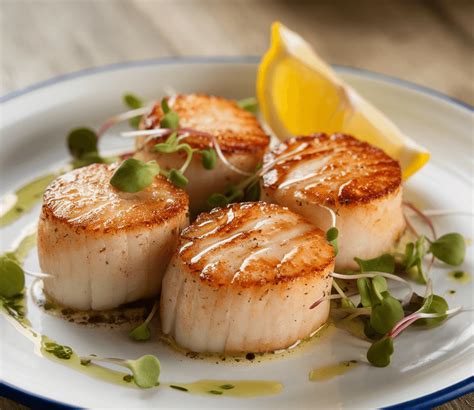
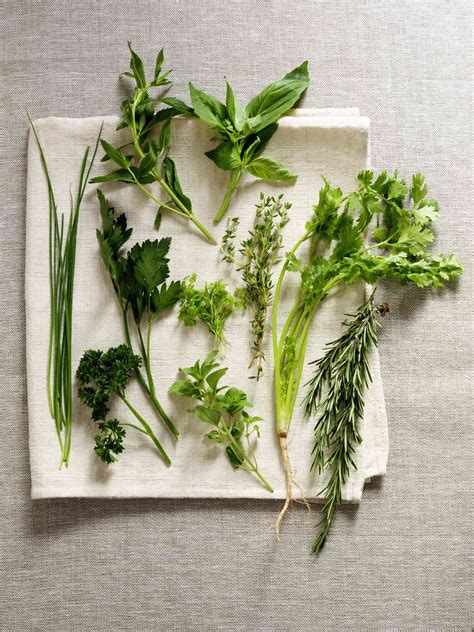
Garnishes aren’t just for decoration; they should add flavor, texture, or aroma. Use microgreens, fresh herbs, toasted nuts, edible flowers, or a sprinkle of spices to add a final flourish. Place them deliberately, perhaps using tweezers, to draw the eye and complete the composition without overwhelming it.
Practice Makes Perfect
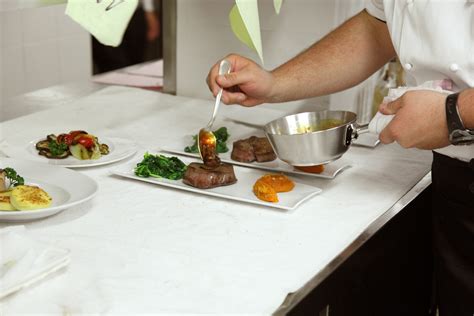
Like any skill, quick plating improves with practice. Start with simple dishes and focus on one or two techniques at a time. Pay attention to how professional chefs plate their dishes in restaurants or online. Experiment with different plate shapes and sizes. Soon, you’ll develop an intuitive sense for what looks good and how to achieve it rapidly.
Remember, the goal is not perfection, but consistent improvement. Each attempt is a step towards transforming your culinary creations into edible masterpieces that delight both the palate and the eyes.
Mastering quick plating is a journey that elevates your cooking from merely delicious to truly memorable. With a few key tools, an understanding of basic design principles, and a bit of practice, you’ll be creating stunning, gourmet food visuals in no time, impressing everyone who gathers around your table.