




Pro tips for keeping vibrant produce fresh longer in your foodie fridge?
Mastering the Art of Produce Preservation
For any true foodie, a fridge bursting with crisp, colorful, and nutrient-rich produce is a thing of beauty. But the joy can quickly fade when vibrant greens wilt or ripe berries turn mushy just days after bringing them home. The good news? With a few smart strategies, you can significantly extend the life and vibrancy of your fruits and vegetables, ensuring every bite is as fresh as intended. Let’s dive into the pro tips that will transform your fridge into a haven of lasting freshness.
Understanding Your Produce’s Needs
The first step to fresh produce is recognizing that not all fruits and vegetables are created equal. Each has unique needs regarding temperature, humidity, and atmospheric conditions. Ignoring these can lead to premature spoilage.
One crucial rule of thumb: don’t wash produce until you’re ready to use it. Excess moisture is the enemy of freshness for many items, promoting mold and bacterial growth.
The Ethylene Factor: Separating Friends and Foes
Ethylene gas, a natural ripening agent, is produced by certain fruits and vegetables. While useful for ripening, it can accelerate spoilage in ethylene-sensitive produce. Knowing who produces it and who is sensitive is key:
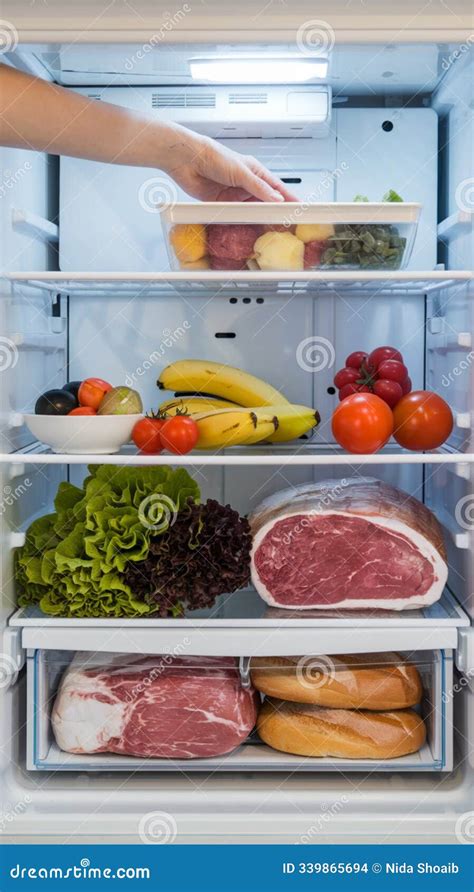
- High Ethylene Producers: Apples, bananas, avocados, tomatoes, peaches, pears, melons.
- Ethylene-Sensitive: Leafy greens, broccoli, carrots, cucumbers, eggplant, potatoes, berries.
Always store high ethylene producers separately from sensitive items, ideally in different drawers or even different parts of your kitchen (e.g., bananas on the counter).
Targeted Storage Solutions for Common Produce
Leafy Greens & Herbs
Spinach, lettuce, kale, cilantro, parsley—these verdant delights are often the first to wilt. The secret? Moisture control without waterlogging.
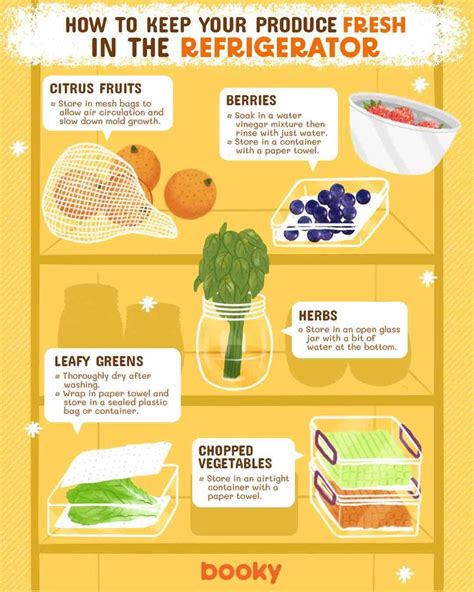
- Greens: Wash, dry thoroughly (a salad spinner is your friend!), then wrap in paper towels and store in an airtight container or zip-top bag in the crisper drawer. Replace paper towels if they become too damp.
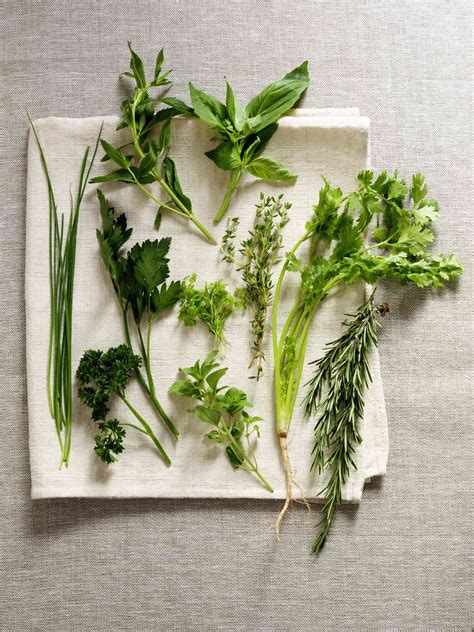
- Herbs: Treat like a bouquet of flowers. Trim stems, place in a glass of water, and cover loosely with a plastic bag before refrigerating. For heartier herbs like rosemary or thyme, wrap in a damp paper towel and store in a sealed bag.

Berries
Delicate and prone to mold, berries require gentle handling. Spread unwashed berries in a single layer on a paper towel-lined container, ensuring good air circulation. Some even recommend a quick vinegar bath (1 part vinegar to 3 parts water) to kill mold spores, then thoroughly drying before storage.
Root Vegetables & Hearty Produce
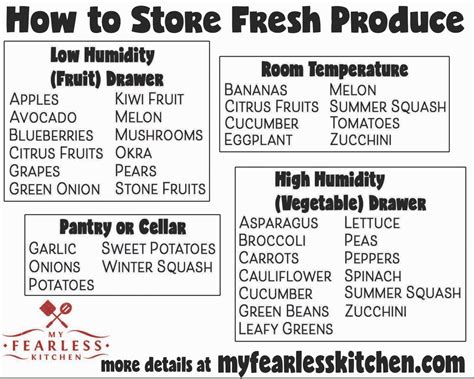
Carrots, beets, radishes: Trim off any greens (which draw moisture from the roots) and store them in a sealed container with a damp paper towel. Potatoes, onions, and garlic, on the other hand, prefer cool, dark, and dry places outside the fridge.
Leveraging Your Fridge’s Features
Your refrigerator isn’t just a cold box; it has features designed for produce preservation:
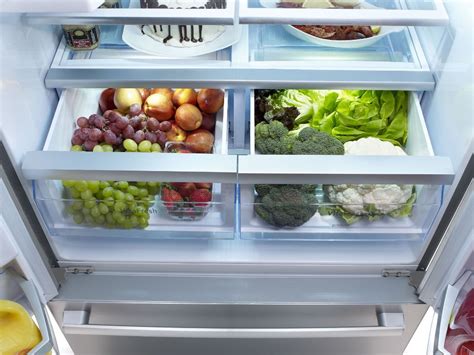
- Crisper Drawers: Most fridges have two—one for high humidity and one for low humidity.
- High Humidity (slider closed): Best for leafy greens, herbs, carrots, broccoli, and other items that wilt easily.
- Low Humidity (slider open): Ideal for fruits like apples, pears, and items that benefit from more airflow and less moisture, but still produce ethylene.
- Temperature Zones: Different areas of your fridge have slightly different temperatures. Know where your fridge is coldest (often the back or bottom shelves) and avoid placing temperature-sensitive items there.
Beyond the Basics: Smart Tools & Habits
- Produce Bags: Reusable silicone or cotton mesh bags can help regulate moisture and air flow.
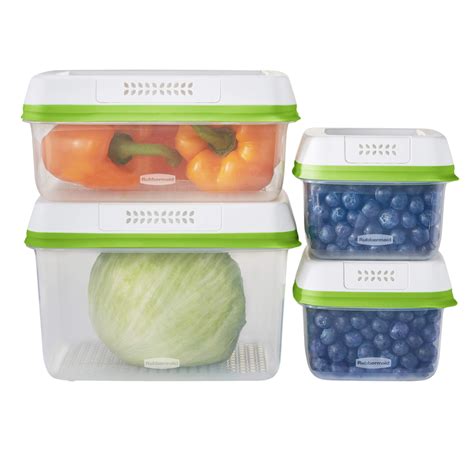
- Airtight Containers: Glass or BPA-free plastic containers are excellent for storing washed and prepped produce, keeping it crisp and ready to eat.
- First In, First Out (FIFO): Rotate your produce! Place newer items behind older ones to ensure you’re using what needs to be eaten first.
- Regular Checks: Remove any spoiling items immediately. One bad apple (or berry) can indeed spoil the bunch.
Enjoying the Harvest Longer
By implementing these pro tips, you’ll not only reduce food waste and save money but also elevate your culinary experience with consistently fresh, flavorful ingredients. A little knowledge about your produce’s preferences goes a long way in ensuring your foodie fridge remains a vibrant, healthy, and delicious hub.