



How do ingredient choices impact vibrant food photography results?
The Unsung Heroes of the Lens: Ingredients
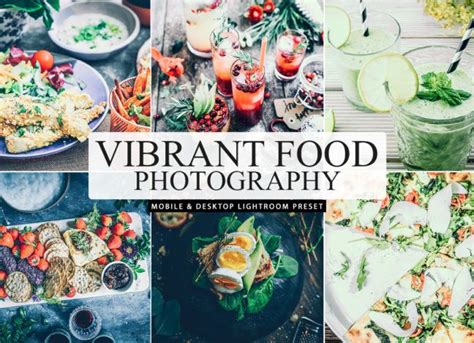
While lighting, composition, and camera settings often take center stage in food photography discussions, the fundamental truth is that even the most skilled photographer cannot make unappealing ingredients look appetizing. The journey to a truly vibrant food photograph begins long before the camera shutter clicks – it starts with the careful selection of your raw ingredients. Their inherent qualities – color, texture, freshness, and form – are the building blocks of visual appeal, directly impacting the final aesthetic.
Color: The Palette of Your Plate
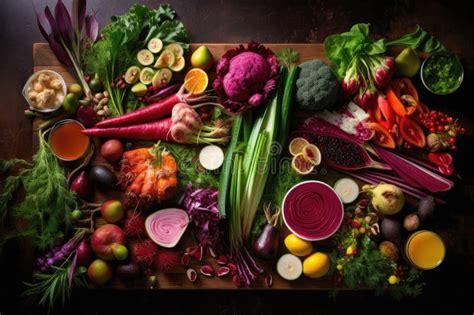
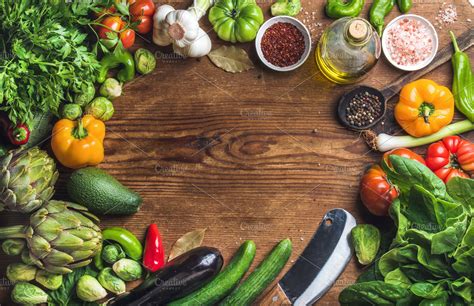
Color is arguably the most immediate and powerful visual cue in food photography. Naturally vibrant ingredients bring a dynamic energy to the frame. Think of the deep reds of ripe berries, the rich greens of fresh herbs, the sunny yellows of citrus, or the earthy purples of eggplant. These natural pigments possess a depth and luminosity that artificial colors simply cannot replicate.
Choosing for Brightness and Contrast
- Saturation: Opt for ingredients with naturally high color saturation. Bright, clear colors pop on camera.
- Contrast: Consider how different colored ingredients will play against each other. A dark background might make bright ingredients stand out, while complementary colors on the plate can create exciting visual tension.
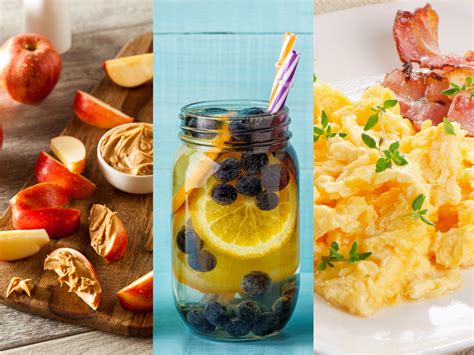
- Avoiding Oxidation: Prepare ingredients like avocados or apples just before shooting to prevent browning that dulls their color.
Texture: Adding Depth and Tactile Appeal
A photograph is a two-dimensional medium, so creating the illusion of three-dimensionality and tactile sensation is crucial. Ingredients with varied and interesting textures add depth, shadow, and highlights, making the dish feel more substantial and inviting.
From Crisp to Creamy
- Crispness: A perfectly seared crust, a sprinkle of crunchy nuts, or a crisp leaf of lettuce provides a satisfying visual contrast.
- Smoothness: Velvety sauces, creamy purees, or glossy glazes can reflect light beautifully, adding a sense of luxury.
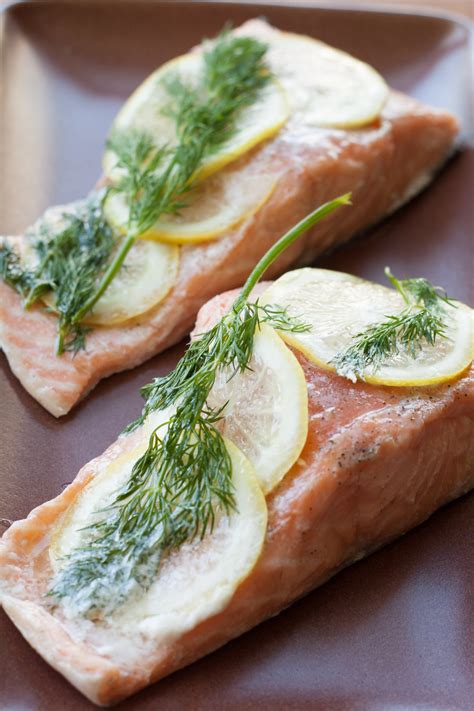
- Irregularity: Rustic bread, crumbled cheese, or flaked fish offer natural, organic textures that break up uniformity and add interest.
Freshness: The Glow of Quality
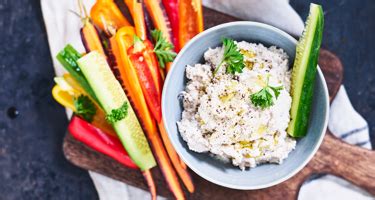
There’s an undeniable glow that fresh ingredients possess. Unblemished, firm, and vibrant produce instantly communicates quality and deliciousness. Wilting leaves, bruised fruit, or discolored vegetables detract significantly from the visual appeal, signaling staleness or poor preparation.
Signs of Superior Freshness
- Firmness: Choose fruits and vegetables that are firm to the touch, indicating ripeness and structural integrity.
- Lustre: Many fresh ingredients, like bell peppers or apples, have a natural sheen that catches the light beautifully.
- Perky Herbs: Use only vibrant, un-wilted herbs; a quick ice bath can revive slightly tired greens.
Shape and Form: Compositional Elements
The natural shape and form of ingredients contribute significantly to the overall composition of your photograph. From the elegant curve of a banana to the intricate layers of an onion, these elements can guide the viewer’s eye and add artistic flair.
Strategic Shaping
- Whole vs. Cut: Showcase ingredients in their whole form to emphasize natural beauty, or strategically cut them to reveal interesting cross-sections.
- Uniformity vs. Variety: Sometimes, uniform cuts create a sense of order, while varied shapes add dynamic visual interest.

Moisture and Sheen: The Allure of Juiciness
Ingredients that naturally retain or can be enhanced with moisture and sheen appear more appetizing and fresh. Think of the glistening surface of a freshly baked pastry, the dewdrops on a crisp salad leaf, or the rich sheen of a perfectly cooked piece of meat.
Enhancing Hydration
- Natural Juices: Highlight the natural juices of fruits or meats.
- Light Brushing: A light brush of olive oil or water can enhance the sheen of vegetables or cooked proteins without making them look greasy.
- Condensation: For cold drinks or desserts, condensation adds a refreshing visual cue.
The Intersection of Ingredients and Culinary Artistry
Ultimately, selecting the right ingredients is not just about making a dish taste good; it’s about providing your camera with the best possible raw material to work with. Every ingredient choice – from the ripest tomato to the freshest basil – contributes to the narrative of your food photograph, telling a story of quality, care, and culinary delight. By prioritizing ingredient quality and understanding their visual impact, you elevate your food photography from merely descriptive to truly inspiring.