




How do you visually capture the *real* soul of local street food for your feed?

Beyond the Plate: Embracing the Spirit of the Streets
Street food isn’t just about what’s on the plate; it’s an immersive experience, a symphony of sights, sounds, and smells that tells a story of culture, community, and culinary tradition. For your feed to truly resonate, you need to go beyond the glossy, perfectly styled shot and delve into the gritty, beautiful reality of the street. Capturing the ‘soul’ means documenting the entire ecosystem that brings that delicious bite to life.
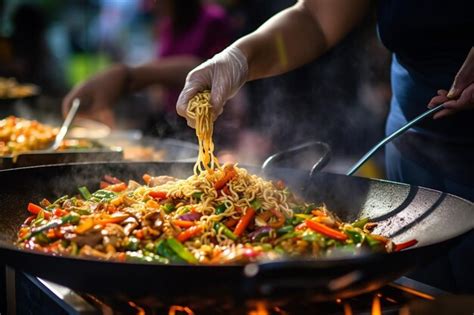
Think about the energy of a bustling market, the steam rising from a sizzling wok, the weathered hands of a vendor who has perfected their craft over decades. These are the elements that inject authenticity and emotion into your visuals. It’s about revealing the character of the place and the people, not just the food itself. Your mission is to transport your audience, making them feel like they’re standing right there with you, soaking it all in.
The Human Element: Faces Behind the Flavors
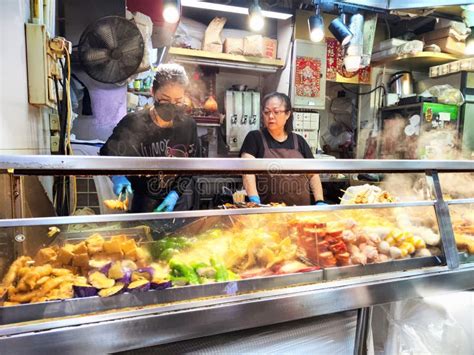
One of the most compelling aspects of street food is the human connection. The vendors are often passionate artisans, their personalities as rich as the flavors they create. Focus on their expressions – the concentration as they chop ingredients, the pride as they serve a dish, the friendly banter with customers. Candid shots of these interactions can add immense depth to your storytelling.
Don’t just photograph the food; photograph the hands that prepare it, the tools they use, and the customers eagerly waiting or happily indulging. These moments reveal the community aspect of street food, highlighting it as a social hub rather than just a place to eat. Capturing genuine smiles, focused gazes, or even the intense choreography of a busy stall tells a more profound story than any perfectly plated dish ever could.
Mastering Light and Composition in Dynamic Environments
Street food environments are often challenging but offer incredible photographic opportunities. Utilize natural light as much as possible; the golden hour can cast a magical glow, while dappled light through awnings can create interesting shadows and highlights. Don’t be afraid of the raw, unfiltered light of midday – it can often emphasize authenticity.
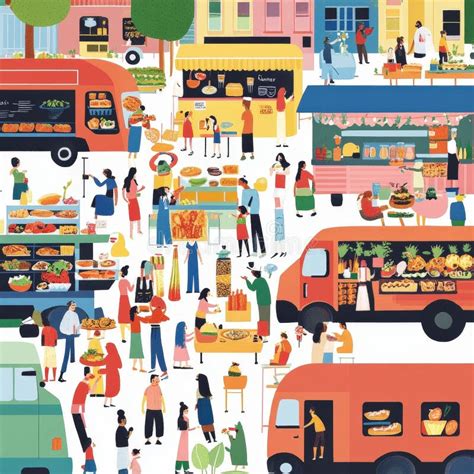
For composition, think beyond simply centering the food. Use leading lines from stalls or pathways to draw the viewer’s eye. Frame your subject using elements like hanging signs, bustling crowds, or architectural details. Experiment with different angles: shoot from a low perspective to emphasize the scale of a vendor’s setup, or from above to capture the vibrant colors of ingredients laid out. Look for layers – food in the foreground, vendors in the mid-ground, and the streetscape in the background – to create a sense of depth and place.

Storytelling Through Details and Atmosphere
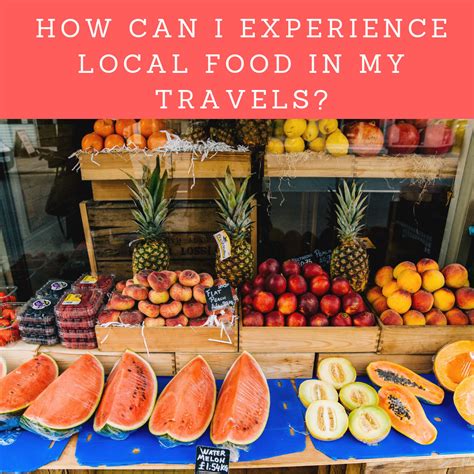
The ‘soul’ of street food often resides in the intricate details. Get up close and personal with the ingredients – the vibrant spices, the fresh produce, the bubbling sauces. Capture the textures: the crispiness of fried snacks, the smoothness of noodles, the char on grilled meats. Steam, smoke, and sizzle, though not directly visible in a still photo, can be implied through the visual cues of motion blur or atmospheric lighting.
Don’t overlook the ambient details: the worn-out signs, the makeshift seating, the unique packaging, or even the local currency changing hands. These elements collectively build a rich tapestry that communicates the authentic, unvarnished charm of the street food scene. Each detail is a brushstroke in the larger painting of your visual narrative.
Authenticity Over Perfection: Editing and Sharing Your Narrative
When it comes to editing, resist the urge to over-process or overly stylize your street food photos. The goal is authenticity, not artificial perfection. Subtle enhancements to contrast, sharpness, and color saturation can make your images pop, but aim to preserve the natural look and feel of the scene. Overly filtered or heavily manipulated photos can strip away the very soul you’re trying to capture.
Finally, pair your evocative visuals with compelling captions that tell the story behind the food, the vendor, or your experience. Share anecdotes, local insights, and the emotions you felt. This combination of powerful imagery and heartfelt narrative is what truly captures the ‘real’ soul of local street food and makes your feed uniquely engaging.