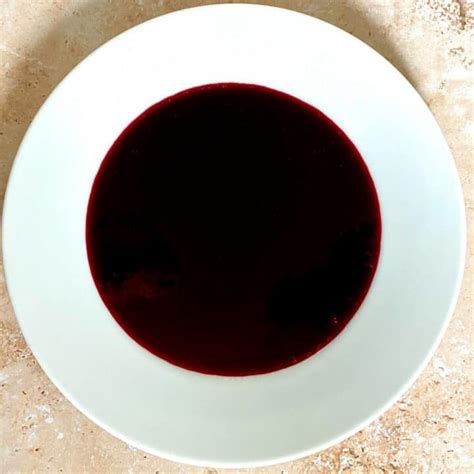





Tips for achieving perfectly glossy, rich sauces that don’t split on camera?
The Quest for the Perfect Sauce: Camera-Ready and Radiant
Achieving a sauce that boasts a perfect sheen, rich texture, and unwavering stability – especially under the bright lights of a camera – is a hallmark of culinary mastery. A split sauce can ruin the visual appeal of an otherwise delicious dish, making it crucial for chefs, food stylists, and home cooks alike to understand the science and art behind flawless sauce preparation.
The challenge intensifies when filming, as sauces are often exposed to heat, light, and prolonged holding times, all of which can compromise their delicate emulsions. This guide delves into the essential techniques and tips to ensure your sauces remain perfectly glossy, rich, and stable, ready for their close-up.

Mastering Emulsification: The Foundation of Gloss and Stability
Many of the most beloved rich sauces, like Hollandaise, Béarnaise, or even a simple vinaigrette, are emulsions – a stable mixture of two immiscible liquids, typically oil and water. The key to preventing splitting lies in forming a strong, stable emulsion from the start. This requires patience, precise temperature control, and often, a good whisk or blender.
When incorporating fat (like butter or oil) into a liquid, add it slowly and gradually, in a thin stream, while continuously whisking vigorously. This breaks the fat into tiny droplets that disperse evenly throughout the liquid. If the fat is added too quickly or the mixture isn’t whisked sufficiently, the emulsion won’t form properly, leading to separation.
Temperature Control: Your Sauce’s Best Friend
Temperature is paramount. For egg-based emulsions like Hollandaise, heating the egg yolks gently over a double boiler is crucial to cook them just enough to thicken and emulsify, without scrambling. If the mixture gets too hot, the proteins will seize, and the sauce will split. Conversely, if it’s too cold, the emulsion won’t form. Maintain a warm but not hot temperature throughout the process.
For pan sauces and gravies, ensure your fat and flour (for a roux) are cooked to the right stage before adding liquid gradually. Once the liquid is added, bring it to a gentle simmer to thicken, but avoid a rolling boil, which can also break down delicate emulsions or make starch-thickened sauces too gluey. When holding sauces for filming, keep them warm, but away from direct, high heat. A bain-marie (water bath) set at a moderate temperature is ideal.
Thickening Agents and Finishing Touches for Richness
Beyond emulsions, achieving richness and gloss often involves judicious use of thickening agents and finishing touches. Reductions, where liquids are simmered until they concentrate in flavor and body, are excellent for naturally rich, glossy sauces. For gravies and pan sauces, a properly cooked roux (equal parts fat and flour) provides body and helps create a smooth texture.
For a truly professional finish, a pat of cold butter or a swirl of heavy cream, whisked in off the heat right before serving, can add incredible gloss and silken texture without making the sauce overly heavy. This technique, known as ‘monter au beurre,’ enhances flavor and visual appeal significantly. Similarly, a touch of finely chopped fresh herbs can brighten the sauce without affecting its stability.
Troubleshooting and Holding Strategies for Filming
Even with the best precautions, sauces can sometimes threaten to split. If you see signs of separation, immediately remove the sauce from the heat. For egg-based sauces, try whisking in a teaspoon of very hot water or lemon juice, or even an extra egg yolk, to re-emulsify. For butter sauces, a small ice cube or a splash of cold cream can sometimes bring it back together with vigorous whisking.
When filming, preparation and timing are key. Make the sauce as close to the shooting time as possible. If holding is necessary, use a controlled heat source like a warm water bath. Stir gently but frequently to prevent a skin from forming and to maintain consistency. Avoid letting the sauce sit undisturbed for too long, as this increases the chance of separation.

The Secret Ingredient: Confidence and Practice
Ultimately, achieving perfectly glossy, rich sauces that hold up beautifully on camera comes down to understanding the principles of cooking and a lot of practice. Pay attention to your ingredients, control your temperatures, and don’t be afraid to troubleshoot. With these tips in your culinary arsenal, you’ll be well on your way to creating sauces that not only taste incredible but look absolutely stunning, ready for their moment in the spotlight.