



How do I select & prep fresh, vibrant ingredients for beautiful recipe photos?
The Foundation of Stunning Food Photography: Quality Ingredients
In the world of food photography, the saying “you eat with your eyes first” holds true. A beautifully styled dish begins long before the camera shutter clicks, often right at the grocery store or farmer’s market. The quality, freshness, and vibrant appeal of your ingredients are paramount to creating visually captivating recipe photos. Dull, wilted, or blemished components simply won’t cut it, no matter how skilled your lighting or composition.
Understanding how to select and prepare your ingredients with visual impact in mind is a crucial skill for any aspiring food photographer or recipe developer. It ensures that every element on your plate contributes to a cohesive, appetizing, and professional final image.
Mastering Ingredient Selection at the Market
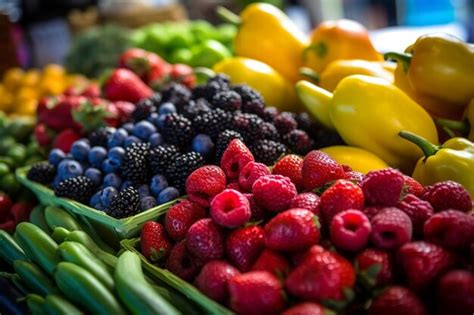
The journey to beautiful food photos starts with informed choices. When selecting produce, prioritize items that are in season, as they are typically at their peak of flavor, color, and texture. Look for vivid, saturated colors, firm textures, and blemish-free surfaces. Avoid anything with bruising, discoloration, or signs of wilting.
For leafy greens and herbs, choose bunches that are crisp and bright green, not yellowing or slimy. Berries should be plump and uniformly colored, without any mold. Consider the variety of shapes and sizes; sometimes a slightly imperfect, rustic-looking vegetable can add character to a shot, as long as it’s fresh and healthy. Don’t be afraid to smell your produce – a good aroma often indicates freshness.
Prepping for Perfection: Techniques for Visual Impact
Once you’ve selected your stellar ingredients, proper preparation is key to maintaining their beauty. Begin by gently washing all produce to remove dirt and debris. For delicate items like berries or herbs, a quick rinse under cool, running water is sufficient, followed by a gentle pat-down with a paper towel or a spin in a salad spinner to remove excess moisture. Ensuring ingredients are dry helps prevent wilting and allows for cleaner cuts and more defined textures.

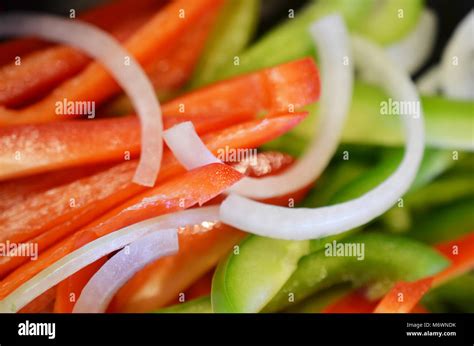
Cutting techniques also play a significant role. Precise, even cuts not only cook more uniformly but also look more appealing in a photo. For vegetables like carrots, cucumbers, or bell peppers, consider how their shape will contribute to the overall composition. Julienne, dice, slices, or wedges can all create different visual interests. Always use a sharp knife for clean cuts that don’t bruise the produce.
To prevent certain ingredients from browning or losing their vibrancy after cutting (like apples, avocados, or potatoes), keep them submerged in acidulated water (water with a squeeze of lemon juice or a dash of vinegar) until ready to use. This simple trick can be a lifesaver for preserving their “freshly cut” look.
Beyond Prep: Keeping Ingredients Photo-Ready
Sometimes, there’s a gap between prepping and shooting. To maintain the “just picked” look, store prepped ingredients correctly. Leafy greens can be wrapped in a damp paper towel and stored in an airtight container in the fridge. Herbs can have their stems trimmed and placed in a glass of water, then covered loosely with a plastic bag and refrigerated.
For ingredients that tend to wilt quickly, a quick “ice bath” right before the shoot can revive them. A minute or two in cold water, followed by thorough drying, can restore their crispness and vibrant color, making them pop on camera. Always have a spray bottle with water handy during a shoot to mist fresh produce, adding a glistening, dewy effect that suggests ultimate freshness.
Styling with Freshness in Mind
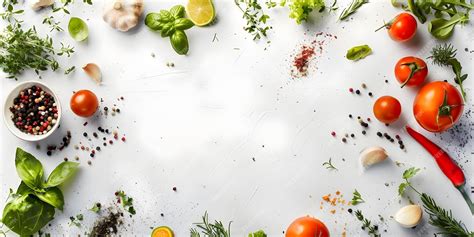
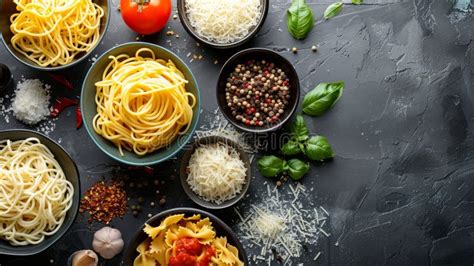
Finally, when arranging your ingredients for the shot, let their natural beauty shine. Highlight their unique shapes, textures, and colors. A sprig of fresh herbs, a scattering of colorful spices, or a perfectly sliced piece of fruit can elevate a photo from ordinary to extraordinary. Remember that less is often more; avoid overcrowding and allow each vibrant ingredient to have its moment.
By investing time in thoughtfully selecting and meticulously preparing your ingredients, you lay the strongest possible foundation for stunning recipe photography. Your camera will thank you, and your audience will be captivated by the freshness and vibrancy you bring to every frame.