




What quick plating tips make everyday recipes truly photo-ready for visual feeds?
In today’s visually-driven world, a dish isn’t just about taste; it’s also about presentation. Whether you’re sharing your culinary creations on social media or simply want to elevate your family meals, making everyday recipes photo-ready doesn’t require complex techniques or gourmet ingredients. With a few quick plating tips, you can transform ordinary dishes into extraordinary visual feasts that capture attention.
Start with a Clean Canvas
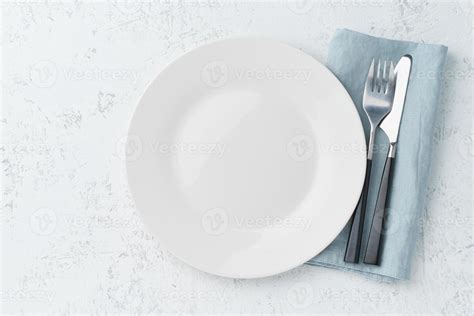
The first rule of great plating is ensuring your plate is spotless. Before serving, give the edges of your plate a quick wipe with a clean cloth or paper towel to remove any drips, smudges, or errant crumbs. A clean rim immediately signals professionalism and attention to detail. Remember, less is often more – don’t overcrowd the plate. Choose dishware size and shape that allows your food to breathe and showcases its elements elegantly, rather than burying them.
Embrace Color and Contrast
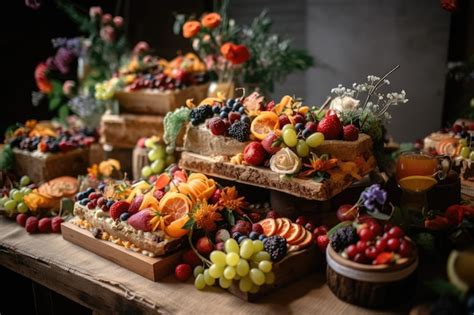
Our eyes are naturally drawn to color. Think about the natural vibrancy of your ingredients. If your main dish tends to be monochromatic (like a creamy pasta or a brown stew), strategically introduce contrasting colors through garnishes or side components. A sprinkle of fresh, green herbs, a pop of bright cherry tomatoes, or a vibrant sauce swirl can make all the difference. Aim for a palette that is visually appealing and highlights the freshness and diversity of your components.
Build Height and Texture
Flat food can often look uninspired. Give your dish dimension and visual interest by building up. Think vertically! Stack ingredients artfully, like layering pancakes or arranging grilled vegetables. For main courses, place your protein first, then lean sides or starches against it to create varied heights. Introducing different textures also adds intrigue – consider crunchy croutons on a soup, toasted nuts on a salad, or crispy fried onions over a casserole for that satisfying visual and textual contrast.

The Magic of Garnishes and Drizzles
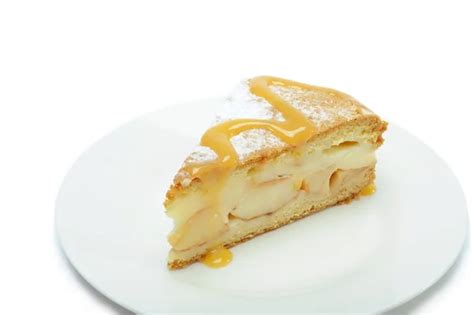
Garnishes are your secret weapon for a professional finish. A final touch of fresh herbs (parsley, cilantro, chives), a sprinkle of flaky sea salt, a grating of a hard cheese, or a twist of citrus zest can elevate a dish from good to gourmet in seconds. Similarly, a strategic drizzle of olive oil, balsamic glaze, or a complementary sauce (applied with a spoon or squeeze bottle) can add shine, depth, and a touch of elegance. The key is subtlety; a little goes a long way to avoid overwhelming the dish.
Master Strategic Placement and Negative Space
Consider the “rule of thirds” in photography – don’t always place your main subject smack dab in the center. Offset it slightly. Create a clear focal point and arrange accompanying elements around it, utilizing the rest of the plate as “negative space.” This empty space gives the dish an artistic, thoughtful feel and allows the main components to stand out. A triangular, linear, or curved arrangement often works well for plating individual components, creating a visual flow that guides the eye across the plate.
Final Polish and Presentation
Before snapping that photo, take a moment to look at the dish from the camera’s perspective. Are there any awkward angles or messy spots? Even a simple spoon of sauce or a sprinkle of pepper should be carefully placed. Remember that good lighting (natural light is often best!) and a simple, uncluttered background also play a huge role in making your food truly shine. While lighting isn’t a plating tip, it’s the crucial final step in presentation.
Making your everyday recipes photo-ready is an achievable goal with these quick and easy plating adjustments. By focusing on cleanliness, color, height, thoughtful garnishes, and strategic placement, you’ll be well on your way to creating stunning culinary visuals that impress both the eyes and the palate, transforming your daily cooking into shareable works of art.