



Best visual plating hacks for making fresh, real food look stunning?

Why Presentation Matters: Eating with Your Eyes First
It’s a universal truth in the culinary world: we eat with our eyes before we ever take a bite. A beautifully plated dish can elevate the dining experience, making even the simplest fresh ingredients look gourmet. When your food looks stunning, it enhances anticipation, enjoyment, and appreciation for the effort put into the meal. Luckily, you don’t need to be a Michelin-starred chef to master the art of visual plating. With a few smart hacks, you can make your fresh, real food truly pop.
The Canvas: Choosing Your Plate Wisely
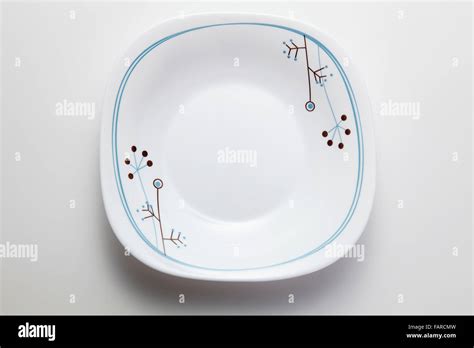
Your plate is the canvas for your culinary masterpiece. The right choice can dramatically impact how your food is perceived. Opt for white or neutral-colored plates, as they provide a clean backdrop that makes the natural colors of your food stand out. Consider the size of your plate too – an overly large plate can make a portion look small, while a smaller plate can make a dish feel more substantial and intentionally composed. Always ensure the rim of your plate is impeccably clean before serving.
Play with Color and Contrast
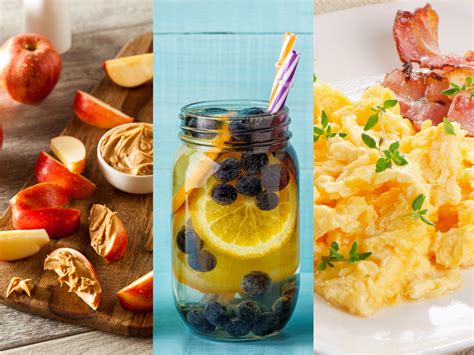
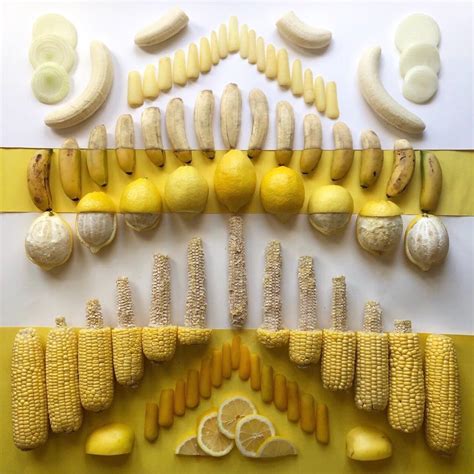
Nature offers an incredible palette, so don’t be afraid to use it! Incorporating a variety of colors from fresh vegetables, fruits, and herbs immediately makes a plate more appealing. Think about contrast: dark greens against vibrant reds, or bright yellows next to earthy browns. A monochromatic dish can be elegant, but often a pop of a complementary or contrasting color (e.g., a sprinkle of parsley on a creamy soup, or cherry tomatoes on a green salad) provides visual excitement and makes the meal look more wholesome and inviting.
Building Height and Dimension
Flat food can look uninspired. Adding height and dimension brings dynamism to your plate. This can be achieved in several ways: stacking ingredients (like layering roasted vegetables or components of a burger), piling food slightly rather than spreading it out, or using purees and starches as a base upon which other elements can be placed. Think vertically! Even a small mound of rice or a neatly stacked protein can add significant visual interest.
Master the Art of Arrangement and Negative Space
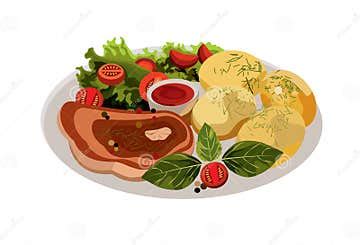
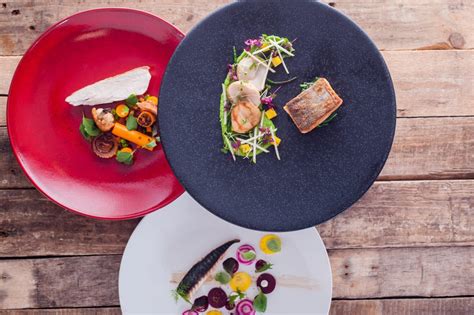
How you arrange your food on the plate is crucial. Many chefs use the ‘rule of thirds’ or imagine a clock face to place components at 3, 9, and 12 o’clock. Creating asymmetrical arrangements often looks more organic and visually appealing than perfectly symmetrical ones. Most importantly, embrace negative space – the empty areas on your plate. Don’t overcrowd it. Leaving some white space allows each component to breathe and gives the eye a place to rest, making the presentation feel deliberate and refined.
The Finishing Touches: Garnishes and Sauces
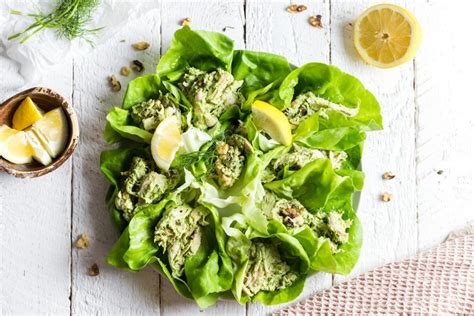
Garnishes are like the jewelry of your dish – they should enhance, not overpower. Fresh herbs, a sprinkle of toasted nuts, citrus zest, or even a few edible flowers can add a final touch of elegance and freshness. For sauces and dressings, think of them as an artistic element. Instead of simply drizzling them all over, try making a swipe across the plate, creating delicate dots, or strategically pooling them underneath a main component. A controlled drizzle can add color, shine, and define flavors without drowning the dish.
From Pantry to Plate: Practical Plating Tools
While not strictly necessary, a few simple tools can greatly assist your plating efforts. Squeeze bottles are excellent for precise sauce application. Tongs and offset spatulas help with delicate placement. A clean damp cloth is your best friend for wiping plate rims clean. Ultimately, the best tool is practice and a keen eye. Start simple, experiment with different arrangements, and observe how professional chefs plate their dishes.
Conclusion: Elevate Your Everyday Meals
Making fresh, real food look stunning is about understanding basic visual principles and applying them with intention. By paying attention to your plate choice, harnessing the power of color and contrast, building height, thoughtfully arranging components, and adding elegant finishing touches, you can transform ordinary meals into extraordinary dining experiences. These plating hacks are not just about aesthetics; they’re about celebrating the beauty and deliciousness of fresh ingredients, making every meal a feast for both the eyes and the palate.