



What’s your best tip for capturing vibrant food photos in tricky restaurant lighting?
The Culinary Photographer’s Universal Challenge
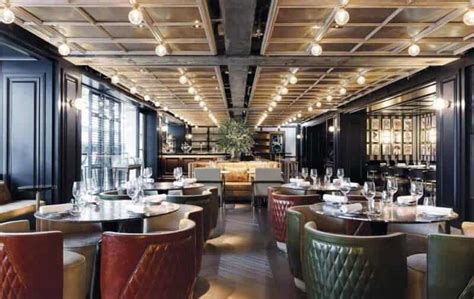
Picture this: you’ve just been served a magnificent dish, a culinary masterpiece that demands to be shared with the world (or at least your social media followers). But alas, the restaurant’s ambiance, while cozy for dining, presents a formidable foe for your camera: dim, uneven, and often colorful lighting. Achieving that vibrant, mouth-watering shot under these conditions feels like an uphill battle. So, what’s the ultimate trick to conquer this common predicament?
The Golden Rule: Hunt for the Light, Then Leverage It
My best tip, hands down, is to become a relentless hunter of light. In a tricky restaurant setting, you rarely have the luxury of perfect studio lighting. Instead, you must scout for and exploit every available photon. This means looking for windows, even small ones, a well-placed table lamp, or an overhead spot that isn’t directly above your dish, but rather slightly to the side or behind, creating a beautiful backlight or sidelight.
Once you’ve identified your light source, strategically position your plate. Rotate it, move your chair, or even gently shift the dish a few inches to ensure the light falls on the food in a flattering way. Avoid placing the light source directly behind your camera, as this often results in flat, uninspiring images. Aim for light that accentuates textures and colors, bringing out the dish’s natural vibrancy.
Embrace Your Smartphone’s Hidden Potential
For most of us, our primary food photography tool in a restaurant is our smartphone. Modern smartphones are incredibly capable, especially with their low-light performance. Dive into your phone’s camera settings. Many offer a ‘Pro’ or ‘Manual’ mode where you can adjust ISO (keep it as low as possible to avoid grain), shutter speed (be mindful of blur if hand-holding), and white balance. Experiment with these to neutralize any harsh yellow or blue casts from the restaurant’s artificial lights.
Many phones also feature a ‘Night Mode’ which can be surprisingly effective. While it takes longer to capture the shot (requiring you to hold still), it can pull out remarkable detail and brightness from dark scenes. Just remember to hold steady, perhaps bracing your elbows on the table.

Improvise with Reflectors and Diffusers
When the light is still too harsh or creates undesirable shadows, look around for impromptu tools. A white napkin or menu can act as an excellent reflector, bouncing light back onto the darker parts of your dish to fill in shadows. If the light source is too bright, a thin white napkin held between the light and your food can act as a diffuser, softening the light and making it more flattering. Whatever you do, resist the urge to use your phone’s built-in flash directly on the food; it almost always results in a harsh, unappetizing glare.
Post-Processing: Your Final Touch
Even with the best on-the-spot techniques, a little post-processing goes a long way. Apps like Lightroom Mobile, Snapseed, or even your phone’s native photo editor can work wonders. Focus on subtle adjustments:
- Exposure: Gently brighten the image if needed.
- White Balance: Correct any color casts to make whites truly white and colors true to life.
- Highlights/Shadows: Recover detail in overly bright or dark areas.
- Contrast: Add a touch to make the food ‘pop.’
- Saturation/Vibrance: Boost colors judiciously to make them vibrant without looking artificial.
- Sharpness: A tiny bit can enhance details.
Remember, the goal is to enhance the natural beauty of the food, not to create an entirely new reality. Subtle edits are key to maintaining an authentic, mouth-watering appeal.

Practice Makes Perfect, and Delicious Photos
Mastering vibrant food photography in challenging restaurant lighting is a skill that improves with practice. Don’t be afraid to experiment with different angles, light sources, and settings. With a keen eye for light, a smart approach to your smartphone’s capabilities, a bit of improvisation, and thoughtful post-processing, you’ll be capturing stunning, vibrant food photos that do justice to every culinary adventure.