



Healthy meals lack flair? Share your vibrant, easy food styling secrets!
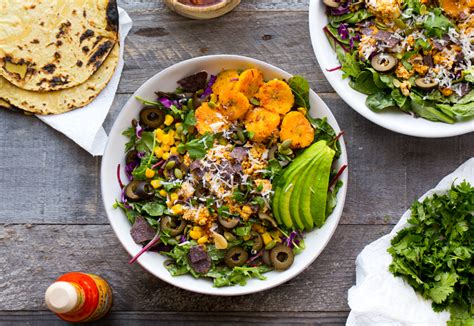
The Visual Feast: Why Presentation Matters
It’s a common misconception that healthy food, while good for you, often looks bland or unappealing. We’ve all seen those vibrant, mouth-watering dishes on social media and wondered how to replicate that magic in our own kitchens. The truth is, the way food looks profoundly impacts our perception of its taste and our overall enjoyment of the meal. A beautifully presented dish isn’t just for restaurants; it’s an accessible art form that can transform your daily healthy eating experience from a chore into a delight.
Food styling isn’t about being a professional chef; it’s about harnessing a few simple techniques to make your nutritious creations sing visually. When your plate looks good, you’re more likely to savor each bite, feel more satisfied, and even trick your brain into thinking it’s tastier. So, let’s dive into some easy, vibrant food styling secrets that anyone can master.
Color Your Plate: The Power of Produce
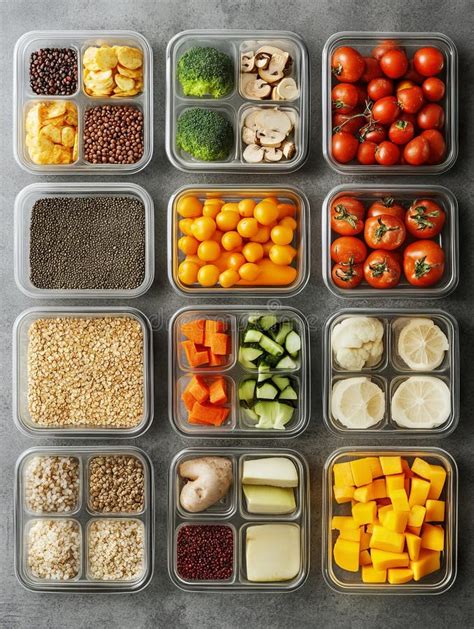
One of the easiest ways to inject life into a healthy meal is through color. Nature provides an incredible palette of hues in fruits and vegetables. Think beyond just green! Incorporate reds (bell peppers, tomatoes, berries), oranges (carrots, sweet potatoes, oranges), purples (red cabbage, blueberries, eggplant), and yellows (corn, lemons, squash). Aim for at least three different colors on your plate to create immediate visual interest.
Don’t just pile them on; consider how different colors interact. A vibrant green pesto pasta can be elevated with a scattering of sun-dried tomatoes and fresh basil leaves. A bowl of oatmeal can become a work of art with a swirl of berries and a sprinkle of nuts. The more diverse your colors, the more appealing and nutrient-dense your meal will appear.
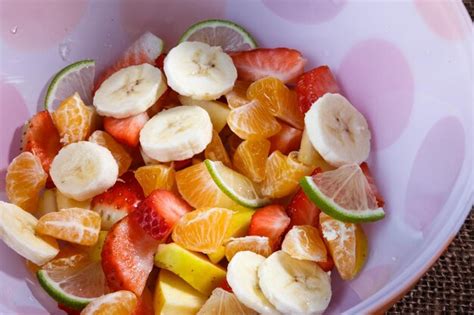
Texture and Arrangement: Building Blocks of Beauty
Beyond color, varying textures add depth and interest to your plate. Contrast crunchy elements like roasted nuts or croutons with creamy textures from avocado or yogurt, and soft components like steamed vegetables or tender proteins. These textural differences provide a more engaging eating experience and make the dish look more sophisticated.
When it comes to arrangement, think about creating balance and a focal point. Instead of spreading everything evenly, try grouping similar items, layering ingredients, or even creating a bit of height. For example, stack grilled chicken slices, arrange roasted vegetables strategically around them, and drizzle sauce artfully over the top. Leaving a little “negative space” on the plate can also make the components stand out more, giving your dish a clean, professional look.
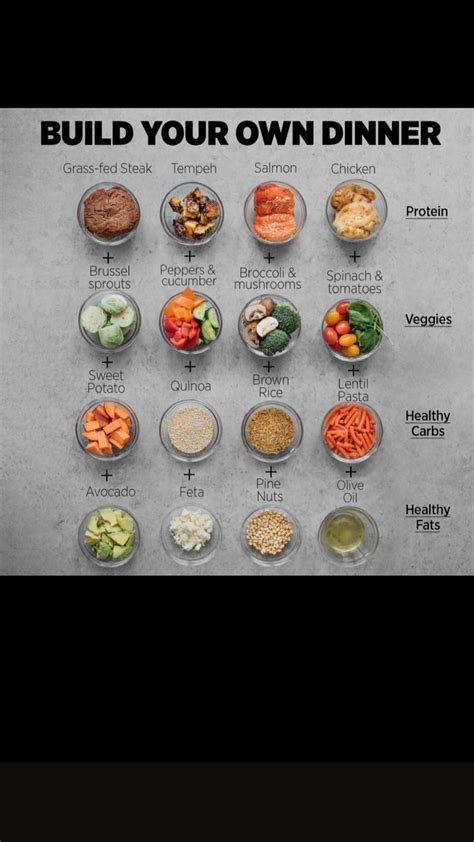
Garnish and Glaze: The Finishing Touches
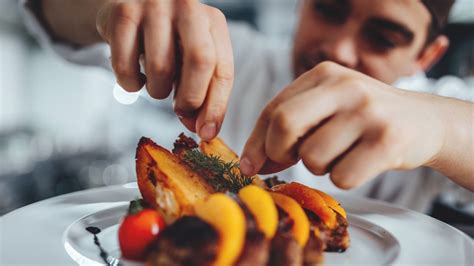
Garnishes are like the jewelry of your dish—they add sparkle and polish. A sprinkle of fresh herbs (parsley, cilantro, mint) can brighten flavors and add a pop of green. Toasted seeds (sesame, chia, pumpkin) offer crunch and visual texture. A squeeze of fresh citrus not only adds zest but also a lovely sheen to the food.
Don’t forget the power of a drizzle! A swirl of extra virgin olive oil, a balsamic glaze, a dot of sriracha, or a creamy dressing can act as both a flavor enhancer and a visual flourish. Use a spoon or a squeeze bottle to create patterns or simply a clean line across your dish. These small additions take mere seconds but elevate your meal from home-cooked to haute cuisine.
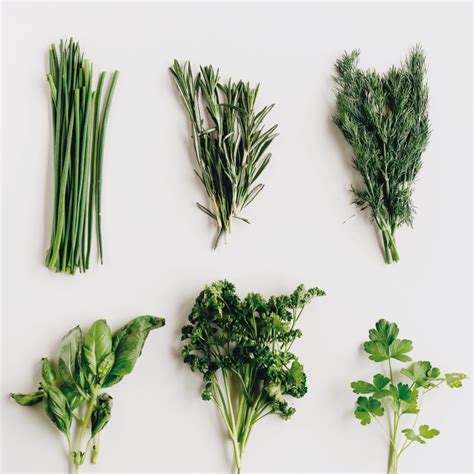
Plate Power: Choosing the Right Canvas
The plate itself is an integral part of your food styling. The color, shape, and size of your dishware can significantly impact how your food is perceived. White or neutral-colored plates are often preferred as they make the food’s colors stand out more vibrantly. Consider the size of your plate in relation to your portion; an oversized plate with a small portion can make the meal look meager, while a well-portioned meal on a slightly smaller plate can appear generous and satisfying.
Different shapes can also offer distinct aesthetics. A round plate is classic, but a square or rectangular plate can give a modern, architectural feel. Experiment with bowls for salads, grain bowls, or stews, using their depth to build layers of ingredients.

Simple Styling Hacks for Everyday Meals
- The Spiral: When serving pasta or noodles, use tongs to twirl them into a neat mound in the center of the plate.
- Mindful Plating: Instead of dumping ingredients, place each component deliberately. Even a simple fried egg can look more appealing centered on a slice of avocado toast.
- Edible Flowers: A few petals can add an unexpected touch of elegance and color to salads or desserts.
- Clean Edges: Use a clean cloth or paper towel to wipe any drips or smudges off the rim of your plate before serving.
- Layering: Build up your ingredients in layers, especially for salads or parfaits, to showcase each component.
Transforming your healthy meals from drab to fab doesn’t require culinary school or expensive tools. It’s about paying a little attention to detail, playing with colors and textures, and using simple garnishes. By investing a few extra moments in presentation, you can significantly enhance your enjoyment of healthy eating, making it a truly vibrant and satisfying experience.
Now, it’s your turn! Do you have a go-to trick for making your healthy dishes pop? Share your vibrant, easy food styling secrets in the comments below!